
The Luxury Debt Trap: Why Your 'Safe' Gold and USD Hedges Need a 2026 Reality Check
تله بدهی در پوشش امنیت؛ چرا طلا و دلار دیگر پناهگاههای تضمینشده سال ۲۰۲۶ نیستند؟
As traditional retirement havens face unexpected debt crises, the hierarchy of Iranian savings is shifting. We compare why gold and USD are no longer simple 'buy and forget' assets in a world where Wall Street and crypto are merging.
At time of publishing
USD
171,100
Toman
Gold 18K
17.48M
Toman / gram
Bitcoin
$64,086
US Dollar
Tether
171,850
Toman
The Illusion of Perpetual Safety
For decades, the Iranian investor’s playbook was simple: if the Toman slips, buy gold; if the world shakes, buy Dollars. But as we move through June 2026, the definition of a 'safe haven' is undergoing a radical transformation. A recent report from the housing sector highlights a chilling reality: luxury retirement communities, once thought to be the pinnacle of secure, long-term investment, are drowning in millions of dollars of debt. Residents who paid massive buy-ins—sometimes upwards of $80,000—now find themselves trapped in depreciating assets. This serves as a stark metaphor for the Iranian gold market today. While the Emami coin sits stagnant at 175,000,000 Toman (0.0% change in 24h), the underlying costs of maintaining these 'safe' positions are rising, proving that even the most prestigious assets can become cages if the timing is wrong.
In Tehran's open market, the US Dollar rose from 170,300 to 171,100 Toman today, a modest 0.5% increase that reflects a persistent but slow-burning anxiety. Meanwhile, Gold 18k per gram climbed 0.4% to reach 17,481,416 Toman. On the surface, these seem like stable gains. However, when we look at the global context—where gold is trading at a staggering $4,220 per ounce—the entry price for new Iranian investors has become prohibitively high. The 'safety' of gold is now guarded by a massive price wall, making it less of a liquid hedge and more of a heavy, long-term commitment that mirrors the 'trapped' feeling of those luxury retirement residents.

When Wall Street and the Wild West Collide
While traditionalists cling to physical coins, a tectonic shift is happening in the digital realm. Wall Street and the crypto markets are no longer separate entities; they are crashing into each other. Tokenized treasury markets have officially hit $14.6 billion, signaling that the 'stability' of US government debt is now being traded with the speed of a meme coin. This isn't just a technical curiosity for Iranians; it changes the risk profile of USDT. With Tether (USDT) currently trading at 171,850 Toman—slightly higher than the physical greenback—the premium for digital liquidity is clear. Investors are choosing the ability to move funds instantly over the tactile comfort of paper bills, especially as global protests, like those seen in Geneva ahead of the G7 summit, signal potential shifts in international sanctions and trade policies.
Furthermore, the politicization of crypto has reached a fever pitch. The news that the UFC will pay fighters in crypto issued by a Trump-affiliated company on the very lawn of the White House illustrates how deeply digital assets are being woven into the fabric of power. For an Iranian saver, this adds a layer of complexity. Bitcoin, currently at $64,086, is no longer just a speculative bet against inflation; it is becoming an institutionalized asset class. However, this institutionalization brings 'Wall Street' problems: as centralized exchange volumes drop, the market becomes more susceptible to the whims of major fund managers and political cycles rather than just pure supply and demand.
Choosing Your Hedge in a Volatile 2025-2026
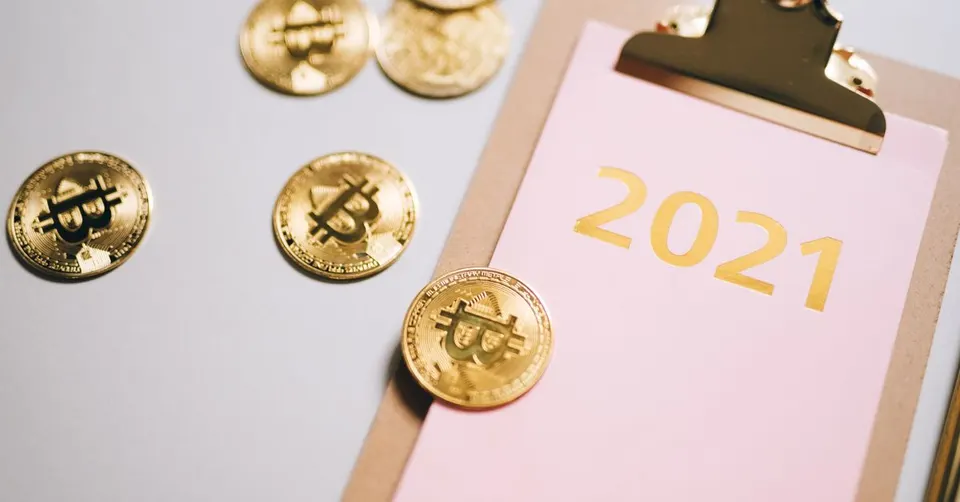
Comparing Bitcoin and Gold as inflation hedges for the coming year requires looking past the daily candles. Gold remains the ultimate 'crisis' asset, but its lack of movement today—specifically in the coin market—suggests a saturation point. When Emami coins show 0.0% growth while the dollar moves upward, it indicates that the 'bubble' or premium on physical coins is being tested. Investors are beginning to question if the physical storage risks and the high spreads of gold shops are worth the 0.4% daily gain when digital alternatives offer more flexibility. The 18k gold gram at 17.48 million Toman is a formidable store of value, but it is a silent one, offering no yield and high friction for those needing to liquidate quickly in an emergency.
Ultimately, the choice between USD, Gold, and Crypto in the current Iranian climate is a choice between types of risk. Physical USD (171,100 Toman) offers the most direct protection against Toman devaluation but carries the 'mattress risk' of theft or physical loss. Gold offers a global benchmark but is currently hampered by local market stagnation and high entry costs. Crypto, led by Bitcoin and USDT, offers the highest liquidity and institutional backing but remains tied to a global volatility that can ignore local Iranian needs. As we see with the debt-ridden retirement homes, the greatest risk isn't volatility—it's being 'trapped' in an asset you can't exit when the world around you changes.
Frequently Asked Questions
Why is the Emami coin price stagnant while the USD is rising?
Is USDT safer than physical Dollars in 2026?
Can gold reach a ceiling in the Iranian market?
Understanding Inflation Hedges
In an economic landscape marked by fluctuating prices and currency values, the concept of an inflation hedge becomes critically important for individuals and investors alike. An inflation hedge refers to an asset or investment designed to protect the purchasing power of money by maintaining or increasing its value during periods of rising prices (inflation). The primary goal is to prevent wealth erosion, ensuring that one's savings can still buy roughly the same amount of goods and services in the future, even as the cost of living climbs.
Historically, assets like gold, real estate, and certain commodities have been considered traditional inflation hedges. Gold, for instance, has often been seen as a safe haven due to its limited supply and universal acceptance, tending to perform well when conventional currencies lose value. Real estate, too, can act as a hedge because property values and rental incomes often increase with inflation, providing a tangible asset that appreciates over time.
More recently, with the advent of digital assets, cryptocurrencies like Bitcoin have entered the discussion as potential inflation hedges. Proponents argue that Bitcoin's decentralized nature and capped supply offer similar scarcity benefits to gold, making it an attractive alternative in an inflationary environment. However, their volatility and relatively short history as a major asset class mean their effectiveness as a consistent hedge is still debated and highly scrutinized.
Ultimately, the effectiveness of any inflation hedge is not absolute and can vary significantly based on specific economic conditions, market sentiment, and regulatory environments. There is no single 'perfect' hedge, and what works in one scenario might not in another. A diversified portfolio, including a mix of traditional and alternative assets, is often recommended to mitigate risks and better navigate periods of economic uncertainty and inflation.