
The 5% Surge: Why Emami Coins are Outpacing the Dollar and Gold Grams in Tehran
تب ۵ درصدی سکه امامی؛ چرا سکه از دلار و طلای ۱۸ عیار سبقت گرفت؟
As the Toman slides to 271,600 per USD, the Emami coin has decoupled from the dollar's pace with a massive 5% jump. We break down the liquidity trap and why global housing and fuel crises are driving Iranians toward physical gold.
At time of publishing
USD
271,600
Toman
Gold 18K
26.41M
Toman / gram
Bitcoin
$84,809
US Dollar
Tether
266,252
Toman
The Toman’s Slide and the Dash for Coins
On Saturday, October 3, 2026, the Iranian market experienced a sharp reality check as the US Dollar sell rate climbed to 271,600 Toman, marking a 3.8% increase in just 24 hours. While a stronger dollar usually pulls the entire gold complex upward, the internal dynamics of the Tehran bazaar are currently creating a significant divergence. The Emami coin didn't just follow the dollar’s lead; it sprinted past it, recording a staggering 5.0% gain to reach 274,000,000 Toman. This decoupling suggests that local panic and the search for high-liquidity assets are outweighing the standard currency-peg logic.
This domestic volatility is mirrored by a growing sense of global instability. In Spain, tens of thousands of demonstrators have taken to the streets of Madrid to protest a mounting housing crisis after government measures failed to pass in parliament [6]. For the Iranian observer, these scenes of domestic unrest in Europe reinforce the narrative that traditional assets like real estate and paper currency are becoming increasingly fragile. When even developed economies struggle with asset accessibility, the reflex in sanctioned markets like Iran is to retreat into the most portable and recognizable form of wealth: the gold coin.

---
The Liquidity Trap: Emami vs. 18k Gold
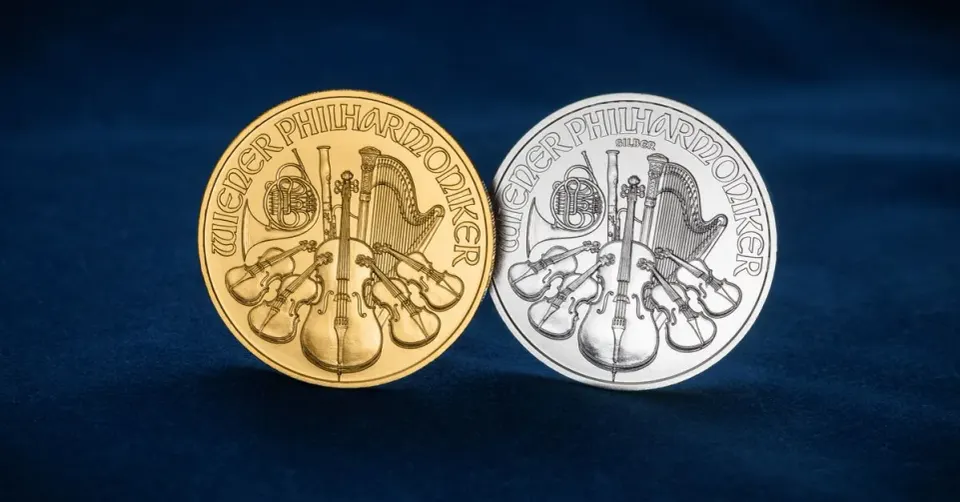
One of the most striking figures from today’s snapshot is the performance of 18k gold per gram, which rose only 1.8% compared to the Emami coin’s 5%. This 3.2% gap represents the "liquidity premium" or, more accurately, a growing bubble in the coin market. Why are buyers flocking to coins instead of raw gold? The answer lies in the ease of exit. In a high-inflation environment, the ability to convert an asset back into cash instantly is worth more than the underlying metal itself. While 18k gold involves manufacturing fees (ojrat) and varying buy-back rates, the Emami coin is a standardized unit with a price that is broadcast every minute.
However, this premium comes with significant risk. We are also seeing a shift in how technology and labor are perceived globally. In California, new laws were recently signed to protect workers from AI surveillance and automated firing [0]. While this may seem distant, it reflects a broader global shift toward protecting human value in an increasingly automated financial world. In the crypto space, Bitcoin (BTC) is trading at $84,809, yet USDT in Iran is priced at 266,252 Toman—notably lower than the physical dollar. This suggests that while the "digital dollar" (USDT) offers convenience, the Iranian market still places a massive trust premium on physical assets during times of heightened geopolitical tension.
---
Geopolitical Friction and the Safety Premium
Geopolitics continues to be the primary engine for these price movements. The US Coast Guard recently intercepted ships carrying fuel to Cuba as part of a blockade enforcement [5]. Such actions serve as a constant reminder to Iranian investors that sanctions and trade blockades remain the primary tool of Western foreign policy. When fuel routes and international trade are weaponized, the Toman inevitably feels the pressure. Even seemingly unrelated events, like the intense late-season heatwave in Southern California [3] or the technological upgrades in Formula 1 [13], contribute to a global atmosphere of unpredictability that drives risk-averse capital toward gold.
Ultimately, the choice between the US Dollar and the Emami coin today is a choice between two different types of risk. The dollar at 271,600 is a bet on the continued devaluation of the Toman, while the Emami coin at 274 million is a bet on market panic and the continued demand for high-speed liquidity. With the gold ounce sitting at a high of $4,141.80, the global floor for gold remains solid, but the local "bubble" in Tehran is reaching levels that require caution. For the saver in 2026, the question is no longer just about preserving value, but about ensuring that their chosen vehicle doesn't become too expensive to hold when the eventual market correction arrives.
Concept Diagram
Frequently Asked Questions
چرا رشد قیمت سکه امامی بیشتر از طلای ۱۸ عیار بود؟
آیا خرید تتر (USDT) در حال حاضر به صرفهتر از دلار فیزیکی است؟
تاثیر اعتراضات اسپانیا بر بازار ایران چیست؟
The Enduring Appeal of Store-of-Value Assets During Currency Devaluation
When national currencies face significant devaluation and high inflation, their ability to reliably hold purchasing power erodes rapidly. This economic phenomenon often drives individuals and investors to seek "store-of-value" assets – items that are expected to retain their value, or even appreciate, over time, thereby preserving wealth against the backdrop of a weakening currency. The recent surge in Emami coin prices in Tehran, outpacing both the dollar and gold grams, perfectly illustrates this flight to tangible assets.
A store of value is any commodity, asset, or currency that can be stored and retrieved at a later date and be predictably useful when retrieved. Historically, precious metals like gold and silver have served this role due to their inherent scarcity, universal recognition, and resistance to decay. In environments like Iran, where the national currency (the Toman/Rial) has experienced periods of sharp devaluation and high inflation, holding cash becomes a losing proposition. People actively seek alternatives to safeguard their savings, turning to assets like real estate, foreign currencies, or, notably, gold coins such as the Emami coin.
The demand for these assets isn't just about investment; it's often about survival and wealth preservation. As confidence in the government's ability to manage the economy wanes, and inflation erodes daily purchasing power, physical gold coins become a practical hedge. Their divisibility, portability, and perceived intrinsic value make them attractive. While a surge in demand can sometimes lead to market "bubbles" where prices detach from fundamental value due to speculative buying, for many, these assets represent a critical means of protecting their financial future from the ravages of currency instability.