Toman Edges Up as Geopolitical Whispers Blend With AI's Artistry
تومان اندکی بالا رفت؛ نجواهای ژئوپلیتیکی با هنر هوش مصنوعی در هم آمیخت
The Iranian Toman saw a modest uptick against the dollar today, navigating a complex landscape of renewed diplomatic overtures and global technological shifts. While talk of new US-Iran talks surfaces, the market remains sensitive to geopolitical undercurrents, even as AI continues to redefine creative industries.
At time of publishing
USD
152,550
Toman
Gold 18K
17.87M
Toman / gram
What Actually Happened
The Iranian Toman experienced a slight strengthening today, closing the session with the US dollar selling at 152,550 Toman. This marks a marginal gain from its previous position, indicating a subtle shift in currency dynamics. The Euro and British Pound also saw their sell prices at 179,550 and 206,250 Toman respectively, while the UAE Dirham held steady at 41,600 Toman and the Turkish Lira at 3,400 Toman.
In the precious metals market, the Emami coin remained stable at 188,000,000 Toman, mirroring the slight uptick in gold by 0.1% per gram to 17,868,784 Toman. The global gold ounce price hovered around $4,807.90. The cryptocurrency market, however, continues its volatile trajectory, with major exploits and North Korean hackers reportedly behind a substantial $290 million theft from Kelp DAO, underscoring the inherent risks in digital assets.
---
Why This Matters to Iranians
For the average Iranian, the slight appreciation of the Toman offers a small but welcome respite from persistent inflationary pressures. While not a dramatic shift, it can translate to marginally cheaper imports and a slight easing of the cost of goods that rely on foreign currency. This stability, however fragile, is crucial for household budgeting and consumer confidence.
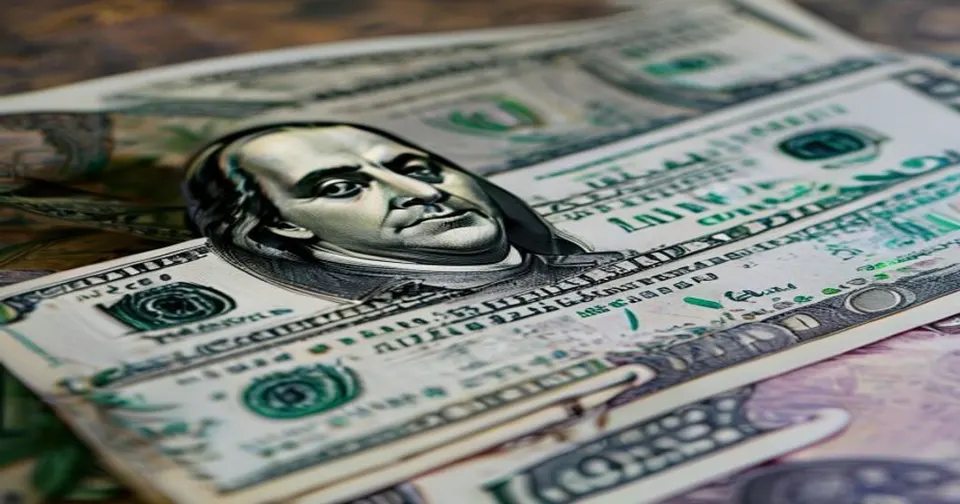
The precious metals market, particularly gold and coins, remains a traditional safe haven for many Iranians seeking to preserve their wealth against economic uncertainty. The stability observed today in gold prices, despite minor fluctuations, suggests continued investor confidence in these assets as a hedge against currency depreciation and inflation. Conversely, the ongoing volatility and security concerns in the crypto space serve as a stark reminder for many to approach these digital assets with extreme caution, especially given the recent large-scale exploits.
---
The Bigger Picture
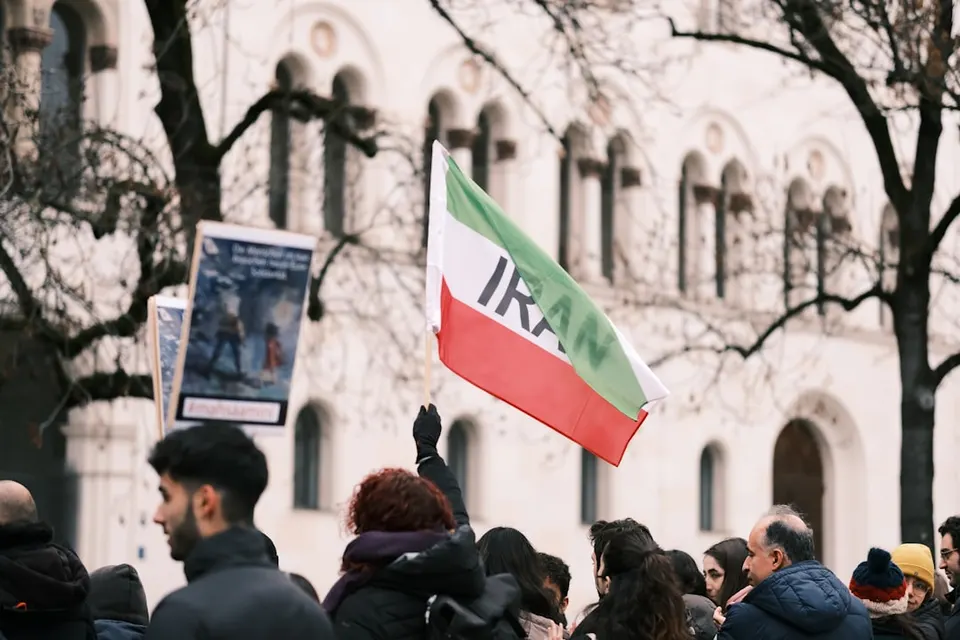
Geopolitically, the market is reacting to mixed signals regarding potential US-Iran talks. Reports indicate that an Iranian delegation may travel to Pakistan for discussions, even as public statements from both sides have been less conciliatory. French President Macron's call for calm highlights the delicate diplomatic tightrope being walked, with middle powers in Turkey pondering how to engage with an 'unpredictable' US. This diplomatic dance, coupled with ongoing regional tensions between Israel and Lebanon, creates an undercurrent of uncertainty that directly impacts currency and commodity markets.
Simultaneously, the global technological landscape is rapidly evolving. AI is making significant inroads, with Deezer reporting a substantial percentage of new music uploads being AI-generated, though most streams are fraudulent. This raises questions about authenticity and value in creative industries. In parallel, the US is grappling with its own import tariff refund system, and regulatory bodies like the FAA are investigating issues with aerospace advancements like Blue Origin's New Glenn rocket. These global events, from diplomatic maneuvers to technological disruption, collectively shape the economic sentiment that influences local markets.
---
Tomorrow's Watchlist
All eyes will be on any concrete developments from the potential US-Iran talks in Pakistan. Any further clarification or official confirmation, or indeed a breakdown in communication, will likely have a tangible impact on the Toman's trajectory. Investors will also be closely monitoring global oil prices, which remain sensitive to geopolitical stability in the Middle East. Furthermore, the ongoing narrative around AI's role in creative industries and its potential for both innovation and fraud will be a key theme to watch, potentially influencing investments in technology and digital assets.
Frequently Asked Questions
What is the current exchange rate for USD to IRR?
How did the gold and coin prices perform today?
Are there any new developments in US-Iran diplomatic relations?
What are the key risks mentioned in the cryptocurrency market?
How might the current geopolitical situation affect the Iranian economy?
How International Sanctions Drive Currency Depreciation and Spark Alternative Assets
When a country faces broad economic sanctions, its official currency often bears the brunt of the pressure. In Iran’s case, the rial (now commonly quoted as the toman at a 10‑to‑1 conversion) has been forced into a steep, unofficial devaluation against the US dollar because foreign banks and investors avoid direct exposure. Sanctions restrict Iran’s ability to earn foreign exchange through oil exports and limit access to international payment systems, creating a chronic shortage of dollars that drives the rial’s market price down.
The scarcity of hard currency pushes households and businesses to seek stores of value that are less vulnerable to the sanctions‑induced dollar shortage. Gold, which can be bought and sold locally without needing a foreign‑currency settlement, has historically surged in price during periods of heightened tension. In Iran, the gold market often moves in tandem with the rial’s weakness, providing a tangible hedge for savers who fear further devaluation.
At the same time, digital assets such as cryptocurrencies have emerged as a parallel escape valve. Because blockchain transactions can bypass traditional banking channels, Iranians have turned to coins like Bitcoin and locally‑developed tokens (e.g., the Emami coin) to preserve wealth and conduct cross‑border trade. While crypto prices are volatile, they offer a degree of anonymity and accessibility that conventional foreign‑exchange mechanisms lack under sanctions.
Understanding this dynamic is crucial for anyone watching the Toman’s trajectory. The interplay of sanctions, dollar scarcity, gold demand, and crypto adoption creates a feedback loop: each time the rial slides, alternative assets become more attractive, which in turn can further weaken confidence in the national currency. Policymakers, investors, and ordinary citizens alike must therefore monitor not just exchange‑rate headlines but also the broader geopolitical and financial currents that shape them.
For deeper insight, explore how sanctions have historically reshaped economies, the mechanics of currency devaluation, and the role of alternative assets in sanction‑hit nations.