Gold Defies Dollar Dip as Paris Curfews and Lavrov’s Tehran Visit Fuel Safe-Haven Demand
درخشش طلا در سایه حکومتنظامی پاریس و دیپلماسی تهران؛ چرا دلار عقبنشینی کرد؟
Gold prices surged 1.1% today despite a minor cooling in the US Dollar, as geopolitical instability from France to the Middle East drives investors toward hard assets. With major shifts in global media and regional security talks, the Tehran market is bracing for a volatile week ahead.
At time of publishing
USD
262,000
Toman
Gold 18K
26.14M
Toman / gram
Bitcoin
$81,946
US Dollar
Tether
261,003
Toman
Gold’s Decoupling and the Global Risk Pulse
Today’s market session in Tehran offered a fascinating divergence between currency and bullion. While the US Dollar saw a marginal retreat, moving from 262,200 to 260,000 Toman (-0.1%), Gold 18k surged from 25,852,994 to 26,139,249 Toman, marking a robust 1.1% gain. This decoupling suggests that Iranian investors are looking beyond local currency fluctuations and are instead reacting to a darkening global geopolitical horizon. When the dollar stays flat or dips while gold climbs, it is a classic signal of 'risk-off' sentiment, where the fear of systemic instability outweighs the immediate demand for cash liquidity.
The pressure on global markets is being exacerbated by the deteriorating situation in Europe. French authorities have announced a partial curfew in Paris, effective from 11 pm to 6 am, as Prime Minister Lecornu blamed 'ultra-left' elements for exploiting widespread protests. This instability in the heart of the Eurozone has ripple effects on the IRR market, as any weakness in European governance tends to drive capital toward gold. For the everyday Iranian saver, this means that even if the domestic dollar rate remains suppressed by central bank intervention, the 'global price' of gold—which hit $4,143 per ounce—will continue to pull local prices upward.
Geopolitical Shifts and the End of an Era
In Tehran, the diplomatic machinery is in high gear as Russian Foreign Minister Sergey Lavrov met with President Masoud Pezeshkian. This visit, Lavrov's first since the intensification of regional conflicts, underscores a tightening of the Tehran-Moscow axis. For markets, such high-level meetings often precede strategic economic agreements or shifts in trade routes, adding a layer of speculative tension to the exchange rate. While state media portrays these meetings as a sign of stability, market participants often view them as a precursor to further Western sanctions or regional realignment, which historically puts upward pressure on the Toman.
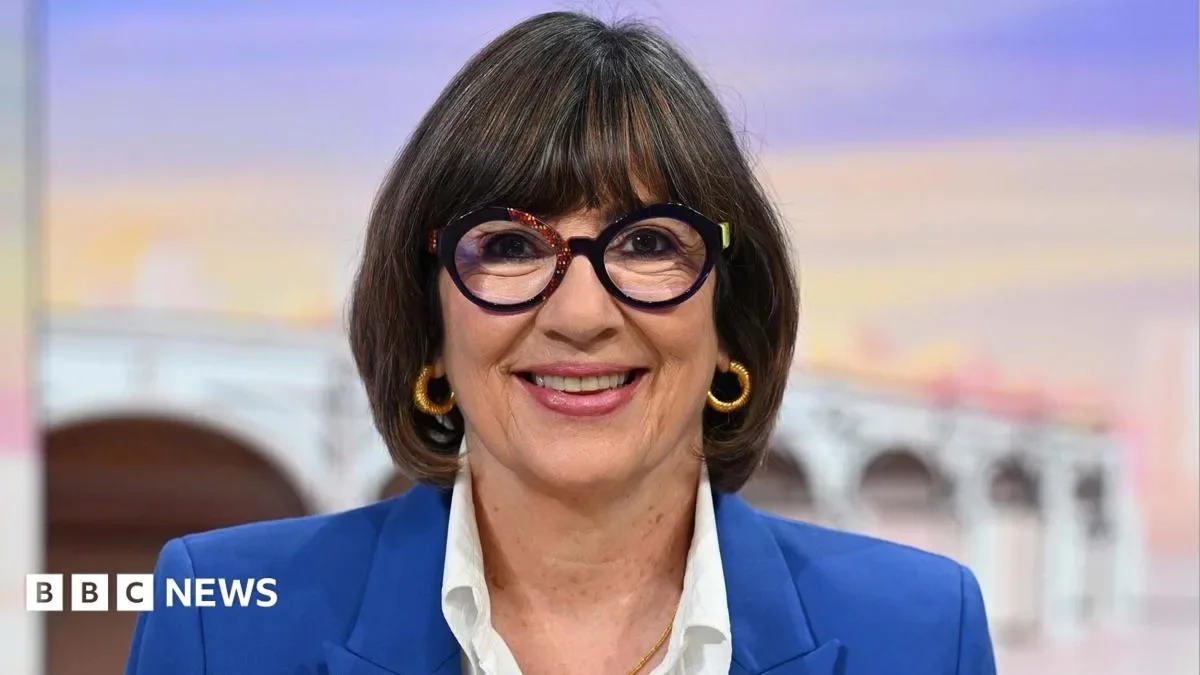
Simultaneously, the media landscape that has defined international perception of Iran for decades is shifting. Christiane Amanpour, CNN’s chief international anchor, announced her departure after 43 years. Having covered the Iranian Revolution and subsequent wars, her exit symbolizes the end of a specific era of Western journalistic engagement with the region. While this may seem like a cultural footnote, it matters to markets because professional, high-stakes reporting often acts as a bridge for international sentiment. As these bridges change, the narrative surrounding Iran’s economy becomes more fragmented, potentially leading to higher volatility in how the world perceives—and prices—Iranian risk.

Tech Resilience and the $33 Million Bitcoin Whale
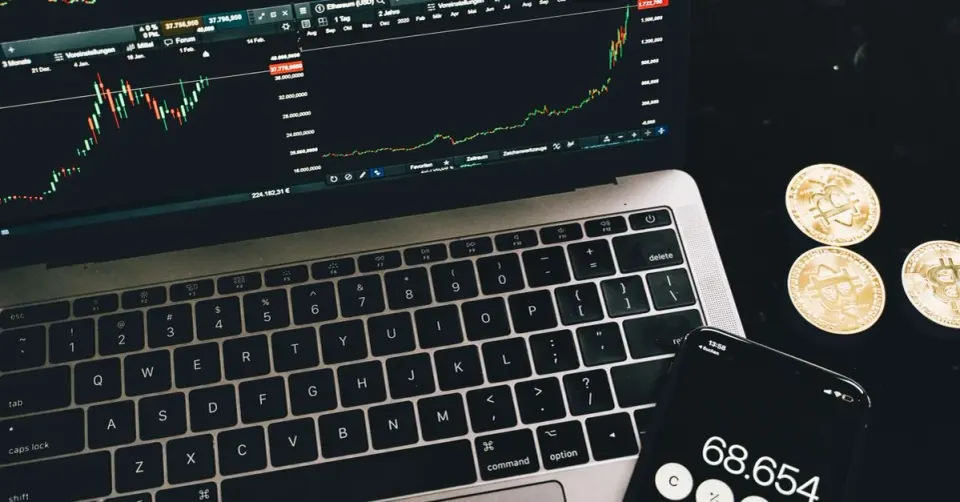
In the digital asset space, Bitcoin remains a titan of resilience, holding steady at $81,946. However, the 'whale' watches are sounding alarms after a dormant wallet from 2013 moved 411 BTC worth approximately $33.4 million. This wallet is reportedly linked to the 'Noah Doe' lawsuit, and such movements from the 'Satoshi era' often trigger temporary liquidity shocks. For Iranian crypto traders, this movement is a reminder that while BTC is a hedge against the Toman’s long-term decline, it remains subject to the whims of early adopters and legal battles in US courts.
On the traditional tech front, there is a glimmer of optimism that could stabilize global sentiment. J.P. Morgan analysts have finally turned bullish on Intel after four years of skepticism, citing improvements in manufacturing and chip design. This is significant because a healthy global tech sector often supports broader market liquidity. If major tech stocks like Intel and Nvidia continue to show strength, it provides a 'risk-on' counterweight that can prevent a total flight from emerging market currencies. However, for now, the Iranian market remains firmly focused on the tangible security of gold and the immediate implications of regional security talks.
Frequently Asked Questions
چرا قیمت طلا بالا رفت اما دلار ارزان شد؟
تاثیر سفر لاوروف به تهران بر بازار ارز چیست؟
آیا جابجایی بیتکوینهای قدیمی سال ۲۰۱۳ خطرناک است؟
Understanding Safe-Haven Assets
In the unpredictable world of finance, where geopolitical tensions and economic uncertainties can send markets into a tailspin, investors often seek refuge in what are known as safe-haven assets. These are investments that are expected to retain or even increase in value during periods of market turbulence, providing a sense of security when riskier assets are plummeting. The headline, noting gold's resilience despite a dip in the dollar amidst global anxieties, perfectly illustrates this concept.
The primary appeal of a safe-haven asset lies in its perceived ability to preserve capital and act as a store of value when confidence in traditional investments wanes. Investors flock to them during times of crisis, such as major political instability, economic recessions, or significant global events, viewing them as a protective shield against inflation, currency devaluation, or market crashes. This increased demand, driven by fear and uncertainty, typically pushes their prices higher, offering a counter-cyclical performance to more volatile assets like stocks.
Gold is perhaps the most classic and historically recognized safe-haven asset. Its tangible nature, limited supply, and long-standing role as a medium of exchange and store of value across millennia make it a reliable choice. Other common safe havens include certain strong government bonds (especially from highly stable economies like the U.S. or Germany), and some major currencies like the Japanese Yen (JPY) or the Swiss Franc (CHF), known for their stability and the robust economies behind them. While the U.S. dollar is often considered a safe haven, its relationship with gold can be complex, as seen in the headline where gold defied a dollar dip, suggesting gold's safe-haven appeal was stronger in that specific context.
Understanding safe-haven assets is crucial for any investor looking to diversify their portfolio and mitigate risks. While they may not offer high returns during stable periods, their role in preserving wealth during turbulent times makes them an invaluable component of a well-rounded investment strategy, providing a much-needed ballast against the storms of the global economy.