Beyond the Headlines: How Global Tensions, Fed Policy, and Inflation Fears Shape Iran's Gold and Currency Markets
فراتر از اخبار: چگونه تنشهای جهانی، سیاست فدرال رزرو و نگرانیهای تورمی بازارهای طلا و ارز ایران را شکل میدهند
In a world increasingly shaped by geopolitical shifts and central bank decisions, understanding their impact on local markets is paramount for Iranian investors. This guide deciphers the complex interplay between international events, interest rate expectations, and the behavior of key assets like gold and the US dollar in Tehran.
At time of publishing
USD
152,550
Toman
Gold 18K
17.78M
Toman / gram
Global Shocks and Local Echoes: The Geopolitical Lens
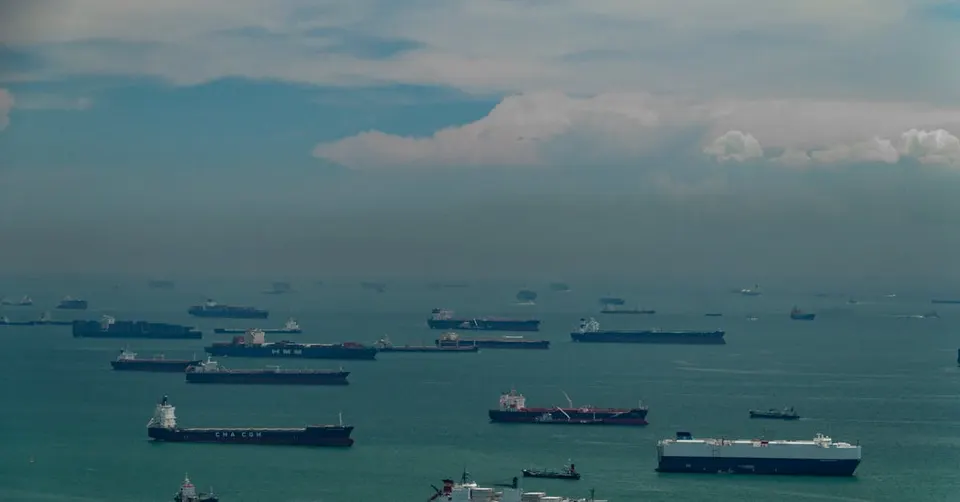
The world's geopolitical landscape is a complex tapestry, and recent developments highlight just how quickly international events can ripple through local Iranian markets. The ongoing, delicate US-Iran talks in Pakistan, led by Vice President JD Vance, underscore a period of intense uncertainty as the ceasefire draws to a close. While diplomacy aims to avert further escalation, the mere potential for renewed conflict, coupled with President Trump’s renewed threats against Iranian civilian infrastructure, casts a long shadow over economic sentiment. Such anxieties not only disrupt trade routes, like the critical Strait of Hormuz – which China's leader Xi Jinping has called to reopen – but also amplify fears of a global food crisis, as reported by Al Jazeera, directly impacting the cost of living and consumer confidence here at home.
This heightened state of geopolitical flux creates a unique environment for investors. Every headline, from the Pentagon confirming rising US casualties to the UN's condemnation of attacks on civilian infrastructure, feeds into the collective perception of risk. For the average Iranian, this translates into a heightened awareness of how their savings and investments might fare. The stability of the USD/IRR at 152,550 Toman today, showing a 0.0% change, might seem like a calm amidst the storm, but it can also represent a tense holding pattern, where market participants are waiting for the next major development before making significant moves. The underlying currents of fear and hope are constantly at play, making it crucial to understand the drivers behind even seemingly static prices.
The Fed's Shadow: Interest Rates, Gold, and Inflation Hedges
Far from Tehran, in Washington D.C., a crucial confirmation hearing is underway for Kevin Warsh, President Trump’s pick to lead the Federal Reserve. The Federal Reserve's decisions on interest rates have profound global implications, and Iran is no exception. When the Fed raises interest rates, it generally strengthens the US dollar by making dollar-denominated assets more attractive to international investors. This can put downward pressure on the Toman price of imported goods, but also impacts the appeal of non-yielding assets like gold.
Historically, gold has been considered a classic "inflation hedge" – an asset expected to retain or increase its value during periods of rising prices. However, higher interest rates increase the opportunity cost of holding gold, as investors could earn a yield elsewhere. Today, we see gold 18k/gram at 17,779,675 Toman, a slight dip of -0.4% from 17,860,012 Toman. This modest movement, while influenced by many factors, could reflect a balancing act between gold's safe-haven appeal amidst geopolitical turmoil and the broader global monetary policy outlook. The price of a gold ounce in USD, currently at 4,785.50, provides the international context for this local movement, illustrating how global financial mechanics intertwine with local market dynamics.
Understanding Your Assets: Gold, USD, and the Toman
For Iranian investors, understanding the interplay between global events, central bank policies, and local asset prices is more than academic; it's essential for financial resilience. Assets like the Emami coin, which today holds steady at 188,000,000 Toman with a 0.0% change, and the US dollar, often serve as traditional stores of value against local currency depreciation and inflation. Their stability, or lack thereof, in Toman terms, reflects both their international valuation and the local perception of economic security.
The current market snapshot, with both USD/IRR and Emami coin showing no change over the last 24 hours, might suggest a period of calm. However, it’s crucial to look beyond the surface. Such pauses can be indicative of a market holding its breath, absorbing information from the ongoing US-Iran talks, the Fed hearing, and other global developments like the EU's pivot to energy austerity amid the ongoing conflict. These assets, while offering a degree of protection, are not immune to risk. Their value is constantly being re-evaluated by market participants based on the latest geopolitical shifts, economic data, and policy pronouncements. Therefore, staying informed and adopting a nuanced perspective is key to navigating these turbulent waters successfully, ensuring your financial decisions are grounded in a comprehensive understanding of both local and global forces.
Watch
China Russia Strategy, Strait of Hormuz Crisis & Global Oil Impact
Geopol 2.0
Frequently Asked Questions
How exactly do central bank interest rates influence the Toman price of gold, given global and local factors?
What makes an asset a good "inflation hedge" specifically in the Iranian context?
Beyond gold and USD, are there other assets Iranians should consider for hedging against geopolitical risks?
How can I differentiate between temporary market volatility and a fundamental shift in asset value due to global events?
Does the stability of USD/IRR and Emami coin today (April 21, 2026) truly reflect a calm market, or is it a deceptive lull?
Gold: The Ultimate Safe Haven and Inflation Hedge
In times of economic uncertainty, geopolitical instability, and rampant inflation, investors and ordinary citizens alike often seek refuge in assets perceived to hold their value. Among these, gold stands out as a quintessential "safe haven" and "inflation hedge." A safe haven asset is one that is expected to retain or increase in value during periods of market turbulence, while an inflation hedge is an asset intended to protect against the eroding purchasing power of a currency due to rising prices. Gold's long history as a store of value, its universal acceptance, and its limited supply make it particularly attractive when confidence in traditional financial systems or domestic currencies wanes.
Historically, gold has demonstrated a negative correlation with the performance of fiat currencies and traditional financial markets during crises. When central banks print more money, leading to inflation, or when geopolitical tensions escalate, causing market panic, demand for gold often surges. Unlike stocks, which represent ownership in companies, or bonds, which are promises of future payment, gold is a tangible commodity that doesn't rely on the solvency of any government or corporation. This inherent independence from financial institutions and sovereign debt makes it a reliable anchor in stormy economic seas.
For economies experiencing high inflation, such as Iran, the role of gold becomes even more critical. With the domestic currency (the Iranian Rial) susceptible to significant depreciation due to sanctions, internal economic pressures, and global political events, individuals often convert their savings into gold or hard currencies like the U.S. dollar to preserve their wealth. This phenomenon reflects a deep-seated desire to protect purchasing power against rapid price increases and currency devaluation. The interplay of global tensions, like those in the Strait of Hormuz, and international monetary policies, such as those set by the U.S. Federal Reserve, can further amplify or diminish gold's appeal by influencing global risk perceptions and the relative strength of major currencies.