

Decoding the 'Evidence Base': Why Data is the New Shield Against Bitcoin Panic and Market FUD
رمزگشایی از «پایگاه شواهد»: چرا دادهها تنها زره شما در برابر ترسهای بازار بیتکوین هستند؟
As Bitcoin holds steady near $77,000, a new academic initiative aims to kill the 'FUD' that often triggers panic selling. Learn how to distinguish between market noise and peer-reviewed reality to protect your capital in volatile times.
At time of publishing
USD
177,000
Toman
Gold 18K
19.67M
Toman / gram
Bitcoin
$77,322
US Dollar
Tether
17,576.7
Toman
The Psychology of Fear in the Iranian Market
For the average investor in Tehran, the term 'FUD' (Fear, Uncertainty, and Doubt) isn't just a buzzword; it is a daily lived reality. When headlines break about diplomatic impasses or potential 'long and painful' responses to regional tensions—as seen in recent Al Jazeera reports regarding Iran-US relations—the immediate reaction is often a flight to safety. This usually manifests as a surge in USDT demand or a frantic exit from volatile assets. However, this reactive behavior often plays right into the hands of market manipulators who profit from retail panic. Understanding that geopolitical noise and actual asset fundamentals are often disconnected is the first step toward becoming a sophisticated investor.
Today's market data shows the USD sitting at 177,000 Toman, a slight -0.1% dip from yesterday, while Bitcoin hovers at $77,322. Despite the relative stability, the underlying anxiety remains. This is where the 'Bitcoin Evidence Base' comes in. Launched by a coalition of Bitcoiners, this tool utilizes over 22 peer-reviewed research papers to debunk common myths about energy consumption, security, and criminal use. For an Iranian investor, having access to such a repository means the difference between selling at a loss because of a scary Telegram post and holding firm because the math remains unchanged.
Spot Demand vs. Futures Noise
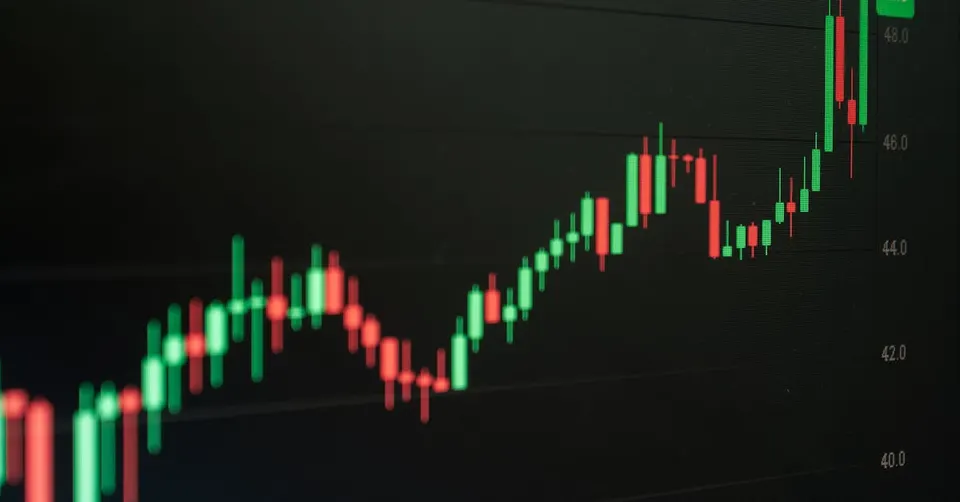
One of the most critical lessons for intermediate traders is understanding the 'engine' behind a price move. Recent data from CryptoQuant suggests that the April rally was largely futures-driven, which often precedes a cooling-off period because it lacks the 'heavy lifting' of spot buyers who actually want to own the asset. When prices are pushed by leverage, they are fragile. This explains why, despite Bitcoin being near its highs, there is a sense of caution in the air. If the demand isn't coming from people buying and holding, but rather from people gambling on direction, a sudden 'liquidation cascade' can happen if news cycles turn negative.
This distinction is vital for those watching the 18k gold prices in Iran, which dropped -1.0% today to 19,671,960 Toman per gram. Gold and Bitcoin often compete for the title of 'inflation hedge,' but they react differently to liquidity. While gold is physically constrained, Bitcoin's volatility is often amplified by these futures markets. By looking at the 'Evidence Base,' we can see that long-term holders (the 'HODLers') are less affected by these futures-driven swings. They rely on the protocol's scarcity rather than the day-to-day leverage ratios that cause temporary price dips.

The Infrastructure Shift: From Speculation to Industry
The narrative of crypto is shifting from 'internet money' to 'industrial infrastructure.' Look at Riot Platforms, which recently reported $33 million in revenue from data center operations, with AMD doubling its contracted capacity for them. This move into high-performance computing (HPC) and data center fit-outs shows that the companies behind the Bitcoin network are diversifying. They are no longer just 'miners' hoping for a high price; they are becoming essential parts of the global tech stack. For the Iranian reader, this signifies that the ecosystem is maturing into something far more resilient than a simple speculative bubble.
Even as we see strange anomalies like the rise of piracy off the coast of Somalia and its debated links to regional wars, the digital economy continues to build its own fortifications. The 'Evidence Base' initiative is essentially an intellectual fortification. It provides the 'why' behind the 'what.' When you see the Emami coin holding steady at 203,000,000 Toman while other assets fluctuate, you are seeing a market looking for a floor. In the digital world, that floor is built on data, transparency, and the slow, steady adoption by institutional giants who are no longer afraid of the FUD that used to tank the market five years ago.

Concept Diagram
We use cookies for analytics and advertising. You can accept or reject. See ourPrivacy PolicyandCookiesfor details.