From London Homes to Nintendo Consoles: How the Iran Conflict is Reshaping Global Prices
از خانههای لندن تا کنسولهای نینتندو: چگونه تنشهای ایران قیمتهای جهانی را تغییر میدهد
The ripple effects of the ongoing conflict in the Middle East are reaching far beyond the Persian Gulf, impacting everything from UK real estate to the price of your next gaming console. Discover how global markets are pricing in the risk of war and what this means for your purchasing power in Iran.
At time of publishing
USD
177,000
Toman
Gold 18K
20.23M
Toman / gram
Bitcoin
$79,980
US Dollar
Tether
17,899.5
Toman
The Butterfly Effect: From the Persian Gulf to London Real Estate
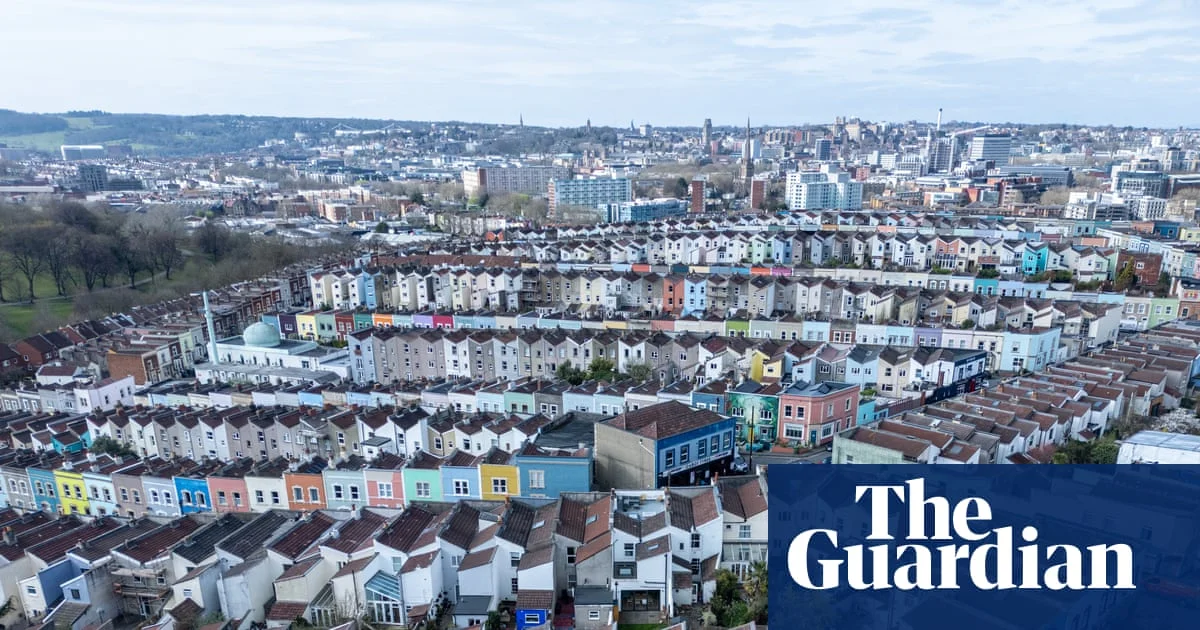
It might seem counterintuitive that a conflict centered in the Middle East could cause a homeowner in Manchester or London to see their property value stall, but the global economy is more interconnected than ever. According to the latest data from Halifax, the UK's largest mortgage lender, house price growth forecasts have been halved. The cost of a typical British home fell by 0.1% in April, marking the second consecutive monthly drop. This slowdown is directly attributed to the 'Iran war fallout,' as markets react to the uncertainty by tightening credit and bracing for higher-for-longer interest rates.
For an Iranian investor, this is a masterclass in how 'risk' travels. When a major geopolitical event occurs, capital doesn't just disappear; it hides or moves. In the UK, the fear is that prolonged conflict will keep energy prices high, fueling inflation and forcing the Bank of England to keep interest rates elevated. This makes mortgages more expensive, reducing the number of buyers and cooling the market. Today, we see the USD/IRR exchange rate edging up from 176,700 to 177,000 (+0.2%), reflecting a similar localized version of this global flight to safety.

The Cost of Scarcity: Why Your Next Console Costs More
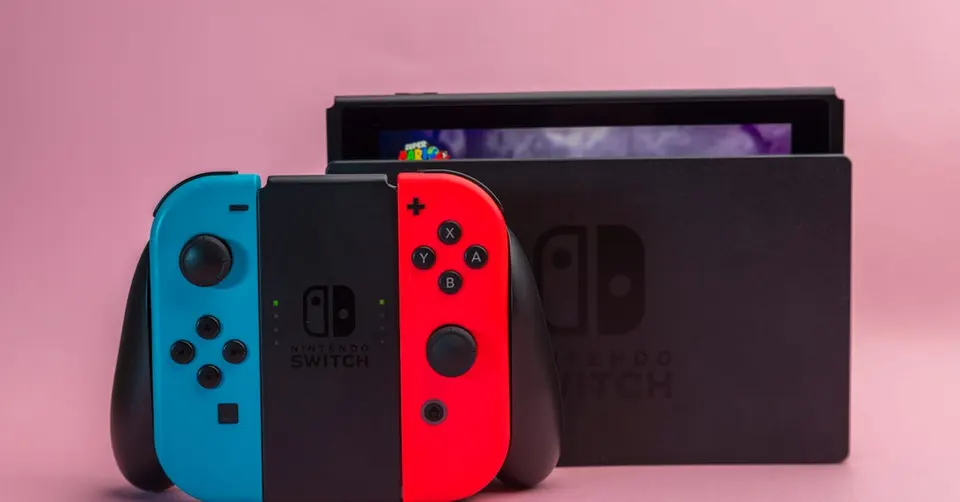
Geopolitics doesn't just affect the roof over your head; it impacts the gadgets in your hand. Nintendo recently announced it is raising the global price of its upcoming Switch 2 console, citing 'changes in market conditions.' Starting September, the price will jump to $499.99. While Nintendo didn't explicitly name the conflict, the timing is no coincidence. War disrupts shipping lanes—specifically the critical routes near the Strait of Hormuz—and increases the cost of raw materials and logistics.
When shipping costs rise, manufacturers have two choices: eat the loss or pass it on to the consumer. In a world where the USD is strengthening against local currencies, these price hikes are felt twice as hard in markets like Iran. Today's 0.3% rise in 18k gold (now at 20,229,696 Toman per gram) is a classic indicator that even as consumer goods become more expensive, people are desperately seeking 'hard' assets to protect their remaining wealth. The Nintendo price hike is a signal that the 'cheap tech' era is facing a significant hurdle due to regional instability.
The Privacy Premium: Why Crypto is the Escape Hatch
As traditional markets like housing and retail struggle, the crypto world is showing a bifurcated reaction. On one hand, we see institutional complexity, such as the Arbitrum DAO's struggle to release $70 million in ETH for the Kelp DAO recovery due to court orders. This highlights that even 'decentralized' finance isn't immune to the legal reach of global powers. On the other hand, privacy-focused assets like Zcash have surged 70% in a single week. This surge is driven by a growing fear of financial surveillance and the need for 'invisible' money during times of war and sanctions.
For Iranians, the narrative around crypto is shifting from pure speculation to utility. With Bitcoin hovering near $79,980, the focus isn't just on the price, but on the ability to move value across borders when traditional systems are frozen. However, the risks remain high. Recent indictments of news anchors in Taiwan for allegedly taking crypto payments from China to produce propaganda remind us that blockchain is a double-edged sword. It offers freedom, but it also attracts the scrutiny of global intelligence agencies. Whether you are hedging with Gold or USDT (currently at 17,900 Toman), the lesson of May 2026 is clear: in a world at war, privacy and liquidity are the ultimate currencies.
Frequently Asked Questions
Why does a war in the Middle East affect house prices in the UK?
Is the Nintendo Switch 2 price hike related to the IRR exchange rate?
Why is Zcash surging while other markets are unstable?
What does the Arbitrum DAO legal issue mean for DeFi users?
Understanding Geopolitical Risk and its Global Economic Ripple Effects
Geopolitical risk refers to the potential for political instability, conflicts, or international tensions to disrupt the normal functioning of economies and financial markets worldwide. Far from being isolated incidents, events like the "Iran Conflict" mentioned in the headline can trigger a cascade of economic consequences that reach far beyond the immediate region, affecting everything from commodity prices and supply chains to investor sentiment and even the cost of everyday goods like homes and consumer electronics.
The primary mechanisms through which geopolitical risks transmit their impact are multifaceted. Firstly, disruptions to critical supply chains are common. Conflicts in key energy-producing or trade-route regions can cause spikes in oil and gas prices, increasing transportation and manufacturing costs globally. This directly translates to higher prices for finished goods, from the components in a Nintendo Switch to the materials used in home construction. Secondly, geopolitical uncertainty often leads to a "flight to safety," where investors move capital out of riskier assets like stocks and into perceived safe havens such as gold, certain government bonds, or strong reserve currencies like the US dollar. This shift can cause market volatility, currency fluctuations (like the USD/IRR exchange rate), and impact asset valuations across the board.
Furthermore, geopolitical events can fuel inflationary pressures. Higher energy costs combined with supply chain bottlenecks increase the cost of doing business, which producers pass on to consumers. This inflation erodes purchasing power and can prompt central banks to raise interest rates, impacting borrowing costs for mortgages and businesses, thereby influencing real estate markets. The interconnectedness of the global economy means that a conflict in one part of the world can disrupt trade, investment flows, and even consumer confidence in distant markets, leading to unexpected price shifts in diverse sectors, as seen with UK house prices or cryptocurrency valuations. Understanding these ripple effects is crucial for grasping why local conflicts have truly global economic implications.