Trump Signals Resumption of Bombing as Ceasefire Nears End; Iranian Gold Markets Plunge
تهدید ترامپ به آغاز بمباران در آستانه پایان آتشبس؛ ریزش سنگین قیمت طلا و سکه در تهران
As the 14-day ceasefire reaches its final hours, President Trump’s rhetoric of military action has triggered a massive sell-off in Tehran’s gold market, while the US Navy seizes another Iranian tanker.
At time of publishing
USD
152,550
Toman
Gold 18K
17.57M
Toman / gram
The Brink of War: Trump’s Ultimatum and the Ceasefire Deadline
The fragile 14-day ceasefire between the United States and Iran is teetering on the edge of total collapse as the Wednesday deadline looms. In a provocative interview with CNBC, President Donald Trump stated that he expects to resume military operations, including bombing campaigns, asserting that this aggressive posture provides a "better attitude" for securing what he calls a "great deal." This shift in rhetoric has caused immediate diplomatic ripples, with Vice President JD Vance delaying his scheduled trip to Pakistan for peace talks. The uncertainty is palpable, as Iranian officials remain publicly silent while privately preparing for a potential return to hostilities, according to leaked diplomatic cables.
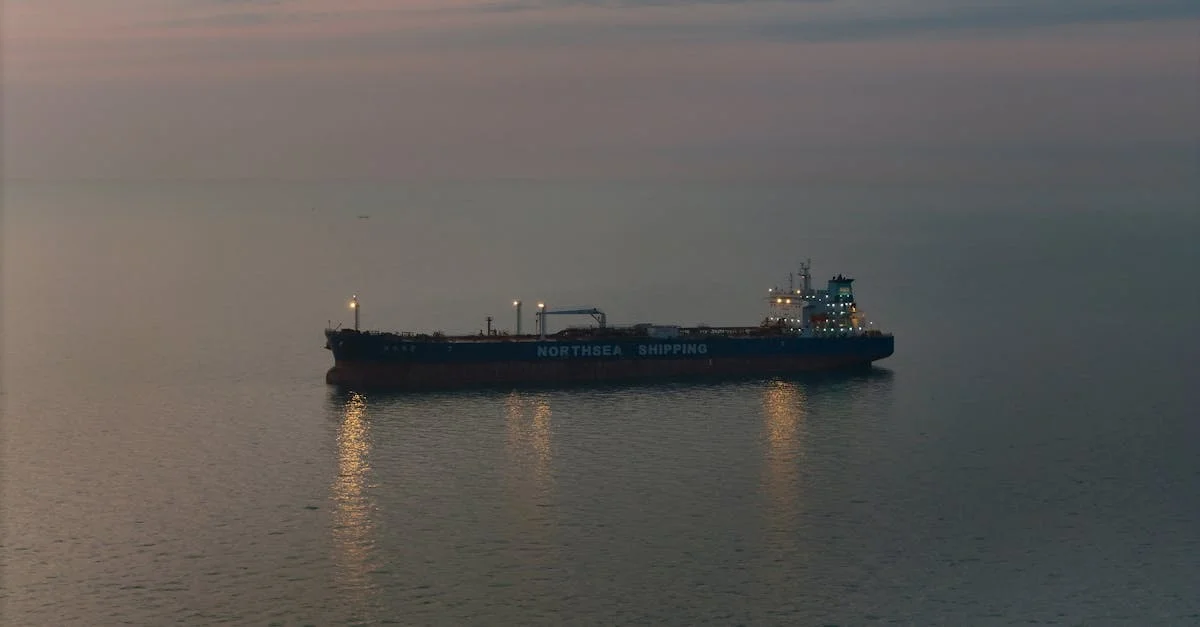
This escalation is not merely verbal. The Pentagon confirmed today that the US Navy has stopped and boarded the M/T Tifani, a tanker carrying Iranian oil, marking the second such seizure in less than a week. This move is part of a renewed "maximum pressure" strategy designed to choke off Tehran’s primary source of revenue before the ceasefire officially expires. For the average observer, this looks less like a negotiation tactic and more like a prelude to a wider conflict. The Iranian military has responded with stern warnings of an "immediate and decisive" retaliation, suggesting that the management of the conflict has moved from the diplomats back to the generals.

---
Market Meltdown: Gold Plummets Amid Economic Suffocation
Contrary to the traditional logic where war threats drive gold prices higher, the Iranian market is witnessing a paradoxical and sharp decline. In the last 24 hours, the Emami gold coin has crashed from 188,000,000 to 174,000,000 Toman, a staggering -7.4% drop. Similarly, 18k gold fell from 17,860,012 to 17,565,446 Toman (-1.6%). This downward pressure is largely attributed to a massive liquidity crisis within Iran. As reports of mass redundancies across the manufacturing and digital sectors surface, many citizens and businesses are liquidating their gold holdings to cover basic operational costs and living expenses, prioritizing cash over long-term hedges.
While gold is retreating, the US Dollar has remained remarkably stagnant at the 152,550 Toman mark (+0.0%). This decoupling of gold and currency suggests that the market is currently driven by domestic economic exhaustion rather than global speculation. Investors are stuck in a "wait-and-see" purgatory; the high cost of living and the threat of renewed sanctions have effectively paralyzed consumer spending. For those holding gold, the current volatility is a painful reminder that in a war-torn economy, even the safest havens can become victims of a desperate need for liquidity.

---
Tech & AI: The High Cost of Innovation and "AI Slop"
In the technology sector, the narrative is shifting from unbridled optimism to a more cautious reality check. Microsoft has announced a significant price cut for Xbox Game Pass Ultimate, dropping it from $29.99 to $22.99, while simultaneously removing new Call of Duty titles from the service. This move highlights a growing realization among tech giants that subscription fatigue is real and that the high costs of maintaining premium services are becoming unsustainable for the average consumer. It is a strategic retreat aimed at retaining a user base that is increasingly sensitive to monthly expenses in a cooling global economy.
Meanwhile, the limitations of generative AI are becoming more apparent in the consumer space. The recent failure of the Starbucks ChatGPT-powered ordering app, which users described as a "nightmare," underscores the dangers of deploying unrefined AI tools for simple service tasks. Critics are increasingly calling out "AI slop"—low-quality, AI-generated content and interfaces that degrade user experience. This trend suggests that while AI remains a powerful tool for backend optimization, its front-facing applications still lack the nuance and reliability required for mass adoption. For investors, this serves as a warning that the "AI bubble" may be shifting toward a period of consolidation where only truly functional products will survive.

---
Geopolitical Shifts: Europe’s Pivot and the Ukraine Aid Package
While the Middle East dominates the headlines, Europe is undergoing its own seismic shift. The European Union is reportedly within 24 hours of finalizing a massive €90 billion loan package for Ukraine. This comes after the Hungarian election results provided what German officials called a "breath of fresh air," potentially ending months of internal blockades within the bloc. The repair of the Druzhba oil pipeline has further emboldened European leaders to push for energy independence while maintaining a firm stance against Russian aggression. This pivot signifies a more unified Europe, even as the United States focuses its attention on the escalating situation with Iran.
However, this unity is being tested by internal political scandals in the UK and growing frustration in Kyiv. President Zelensky has publicly criticized US envoys for visiting Moscow while bypassing Kyiv, calling the move "disrespectful." This diplomatic friction suggests that while financial aid is flowing, the political alignment between Washington and its European allies is becoming increasingly frayed. As the US moves closer to a potential conflict in the Persian Gulf, the vacuum left in European security policy may force the EU to take a more dominant, and perhaps more independent, role in global geopolitics.
Frequently Asked Questions
Why is the price of gold falling in Iran despite the threat of war?
What happens when the 14-day ceasefire expires on Wednesday?
How does the seizure of the M/T Tifani affect the negotiations?
Is the US Dollar expected to rise if the ceasefire ends?
How Geopolitical Tension Shapes Gold Prices
Gold is often called a safe‑haven asset: when investors fear economic or political turmoil, they rush to buy gold, pushing its price up. The logic is simple—gold is a tangible store of value that isn’t tied to any single country’s currency or debt. However, the relationship between geopolitics and gold isn’t always linear. In the weeks leading up to a cease‑fire expiration between Iran and Israel, markets expected a surge in gold demand, yet Tehran’s local gold market actually fell as the threat of renewed bombing loomed.
The paradox stems from risk‑on/risk‑off dynamics. When a conflict threatens to spill over into broader regional war, investors may first shift to liquid, globally traded assets like the U.S. dollar or Treasury bonds, which are perceived as the safest short‑term shelters. In markets where the local currency is already under pressure—such as the Iranian rial—gold can become less attractive if buyers anticipate even steeper currency devaluation or capital controls that limit gold purchases. Consequently, a sudden spike in political risk can temporarily depress gold prices in the affected country, even as the global price rises.
Another factor is supply chain disruption. The seizure of the MT Tifani tanker, which was carrying oil and other commodities, raised concerns about shipping bottlenecks in the Persian Gulf. Traders worried that such disruptions could affect the logistics of moving gold and other precious metals, prompting a short‑term sell‑off. Moreover, sanctions on Iran limit the ability of local dealers to import gold, amplifying price volatility when geopolitical shocks occur.
Understanding these mechanisms helps explain why the headline “Iranian Gold Markets Plunge” can coexist with a broader narrative of gold’s safe‑haven status. It reminds investors that the impact of geopolitics on commodities is mediated by local currency stability, market liquidity, and the specific channels through which risk is transmitted.
For a deeper dive, see the references below which explore gold’s role as a safe haven, the nuances of risk‑on/off behavior, and the way sanctions and shipping incidents feed into commodity price swings.