Trump’s Beijing Business Wins Shadowed by Iran War Warnings; Gold Slumps as New Fed Chair Takes Reins
هشدار تند شی جینپینگ به ترامپ درباره جنگ ایران؛ ریزش قیمت طلا همزمان با تغییر ریاست فدرال رزرو
As Trump and Xi wrap up their Beijing summit, China’s warnings over Iran have dampened market optimism. Domestically, gold prices fell 2.8% while the global bond market braces for a more aggressive Federal Reserve under new leadership.
At time of publishing
USD
180,400
Toman
Gold 18K
19.89M
Toman / gram
Bitcoin
$80,516
US Dollar
Tether
18,000.1
Toman
Geopolitical Friction Dampens the Beijing ‘Business Victory’
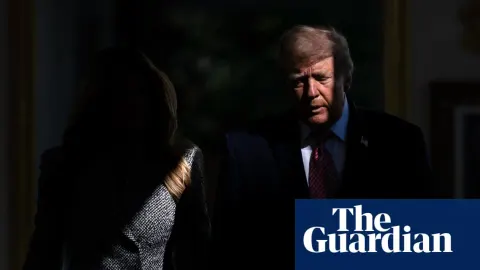
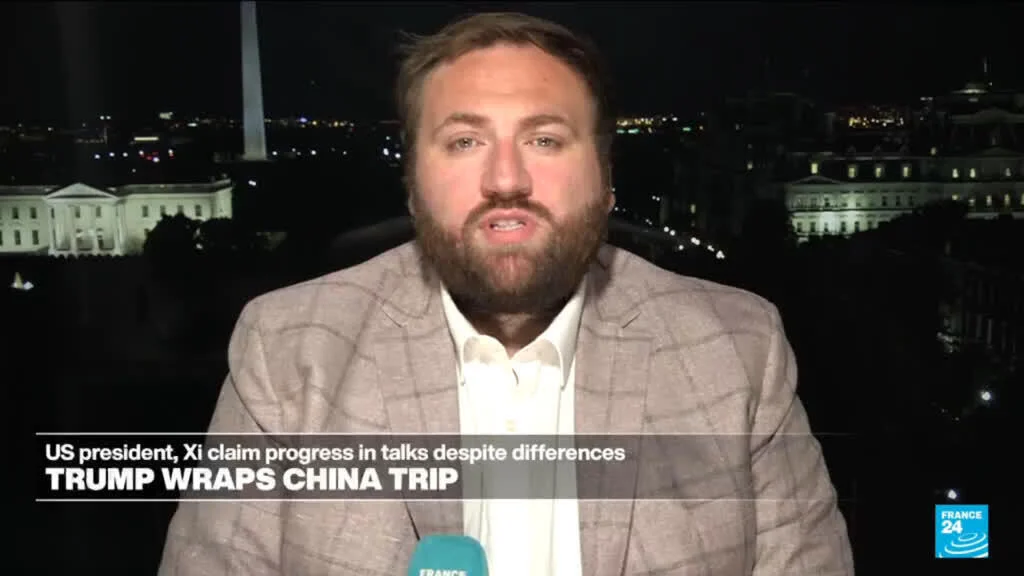
President Donald Trump’s high-stakes visit to Beijing reached a critical juncture on Friday as the facade of diplomatic cordiality began to crack under the weight of regional conflicts. While the White House was eager to tout a series of multi-billion dollar business deals intended to boost Trump’s domestic approval ratings ahead of the midterms, the Chinese leadership steered the conversation toward more volatile waters. President Xi Jinping explicitly warned that the ongoing tensions and the 'war in Iran' should never have been initiated, signaling that Beijing is increasingly lose patience with Washington’s aggressive Middle Eastern posture. This divergence highlights a growing gap between corporate interests, which seek stability and market access, and the geopolitical reality of a world teetering on the edge of broader conflict.
For the Iranian observer, this summit is less about the trade of goods and more about the trade of influence. Xi’s mention of the 'Thucydides Trap'—the historical tendency for a rising power and an established power to drift toward war—serves as a stern reminder that China may no longer remain a passive bystander in the face of U.S. sanctions and military posturing. As the two leaders departed with 'warm words' but no major breakthroughs on Taiwan or Iran, the market's initial optimism evaporated. The lack of a clear de-escalation roadmap means that the risk premium on regional trade remains high, keeping the Iranian Toman under structural pressure despite the temporary stability in the USD/IRR rate at 180,400.

---
Gold Retreats as the ‘Warsh Fed’ Spooks Global Bonds
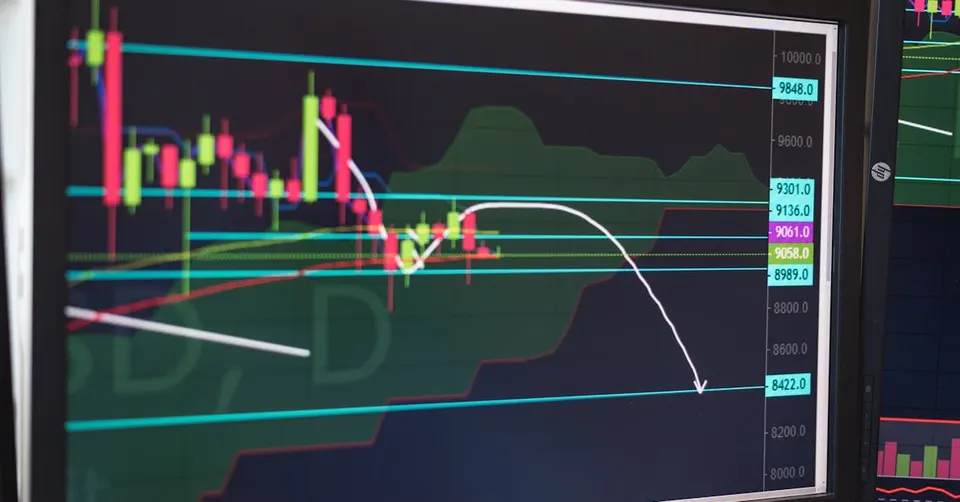
The financial world is undergoing a seismic shift this hour as Kevin Warsh officially takes the helm of the Federal Reserve. The bond market has not waited for his first official meeting to react; yields are already climbing as traders anticipate a significantly more hawkish monetary policy. This 'pre-emptive hike' by the market has sent shockwaves through the commodities sector. In the Iranian market, Gold 18k per gram saw a sharp decline of 2.8%, moving from 20,459,855 to 19,886,652 Toman. This move reflects a global rotation out of safe-haven assets and into a strengthening dollar environment, even as geopolitical risks persist.
This downward pressure on gold is a double-edged sword for local investors. While it offers a potential entry point for those looking to hedge against long-term inflation, the immediate volatility suggests that the 'gold-as-a-shield' strategy is being tested by high global interest rates. The fact that the Emami coin remained stagnant at 197,000,000 Toman despite the drop in raw gold prices indicates a disconnect, likely driven by local demand and a high 'bubble' premium. Investors should be wary: if the U.S. 10-year Treasury yield continues its ascent under Warsh’s leadership, the downward trajectory for gold could intensify, regardless of regional political rhetoric.
---
The Financial Frontline: Frozen Assets and Political Mockery
Beyond the diplomatic halls of Beijing, the financial war against Iranian interests has moved into the courtroom. A group of judgment creditors in the United States is currently seeking a court order to force Tether to turn over approximately $344 million in frozen USDT. These assets, allegedly linked to the IRGC, represent a significant escalation in the use of stablecoins as a tool for international legal and political leverage. This development serves as a stark warning to regional users of digital assets: the 'neutrality' of major stablecoins like USDT is increasingly a myth when faced with U.S. federal court orders. For many, this reinforces the need for decentralized alternatives or more robust privacy measures in the crypto ecosystem.
In Tehran, the response to U.S. pressure has shifted toward public defiance. Parliament Speaker Mohammad Bagher Ghalibaf recently mocked U.S. Defense Secretary Pete Hegseth, dismissing him as a 'failed TV host' playing the role of a war minister. This rhetoric is not just for domestic consumption; it is a calculated signal to the international community that Tehran does not take the current U.S. military leadership seriously. However, while the political rhetoric remains sharp, the economic reality is more nuanced. With global weather extremes—such as the record heat in Central America and hailstorms in China—disrupting supply chains, the cost of imports remains a primary concern for the Iranian government, making the stability of the Toman at 180,400 a fragile necessity rather than a sign of economic health.
Watch
‘The Five’: Brokerage in Beijing
Fox News
Frequently Asked Questions
Why did gold prices drop in Iran despite geopolitical tension?
What was the main outcome of the Trump-Xi summit regarding Iran?
Is USDT still safe for Iranian users after the $344M freeze?
The Mechanism and Impact of Financial Sanctions
Financial sanctions are powerful economic tools employed by nations or international bodies, such as the United Nations, to achieve foreign policy objectives without resorting to military force. These measures typically target a country's financial system, specific entities, or individuals, aiming to restrict their access to global markets, freeze assets, and limit their ability to conduct international transactions. The primary goal is to exert pressure on the targeted regime or actors to alter their behavior, whether concerning nuclear proliferation, human rights, or support for terrorism.
The implementation of financial sanctions can take various forms. Common mechanisms include prohibiting transactions with designated individuals or organizations, blocking access to international payment systems like SWIFT, imposing embargos on certain goods or technologies, and restricting foreign investment. For instance, a country might be cut off from dollar-denominated transactions, making it exceedingly difficult to trade internationally or access foreign capital. This isolation can severely cripple an economy dependent on global commerce, leading to shortages, inflation, and a decline in living standards.
The economic impact of comprehensive financial sanctions can be profound and far-reaching. They often lead to significant currency depreciation, as the target country's currency loses value against major international currencies due to reduced trade and capital inflows. Inflation typically surges as imported goods become more expensive and domestic production struggles with a lack of critical components. Businesses face immense challenges in sourcing materials or exporting products, fostering a black market economy and driving a search for alternative financial channels. This economic pressure is intended to create domestic discontent and compel policy changes.
In recent years, sanctioned countries and individuals have increasingly explored the use of cryptocurrencies, such as stablecoins like Tether (USDT), as a potential means to circumvent traditional financial restrictions. The decentralized nature of some cryptocurrencies initially offered a perceived pathway to bypass conventional banking systems. However, this avenue is not without its limitations. Many major cryptocurrency exchanges and stablecoin issuers operate under regulatory scrutiny and often comply with international sanctions regimes, as evidenced by instances where crypto assets linked to sanctioned entities have been frozen. This highlights the complex interplay between emerging financial technologies and established geopolitical tools.
Topics
Related Articles