Trump Pressures Fed for Cuts as Toman Hits 188k; Antares Secures $470M for Military Nuclear Tech
فشار ترامپ بر فدرال رزرو همزمان با دلار ۱۸۸ هزار تومانی؛ بودجه ۴۷۰ میلیون دلاری برای راکتورهای هستهای نظامی
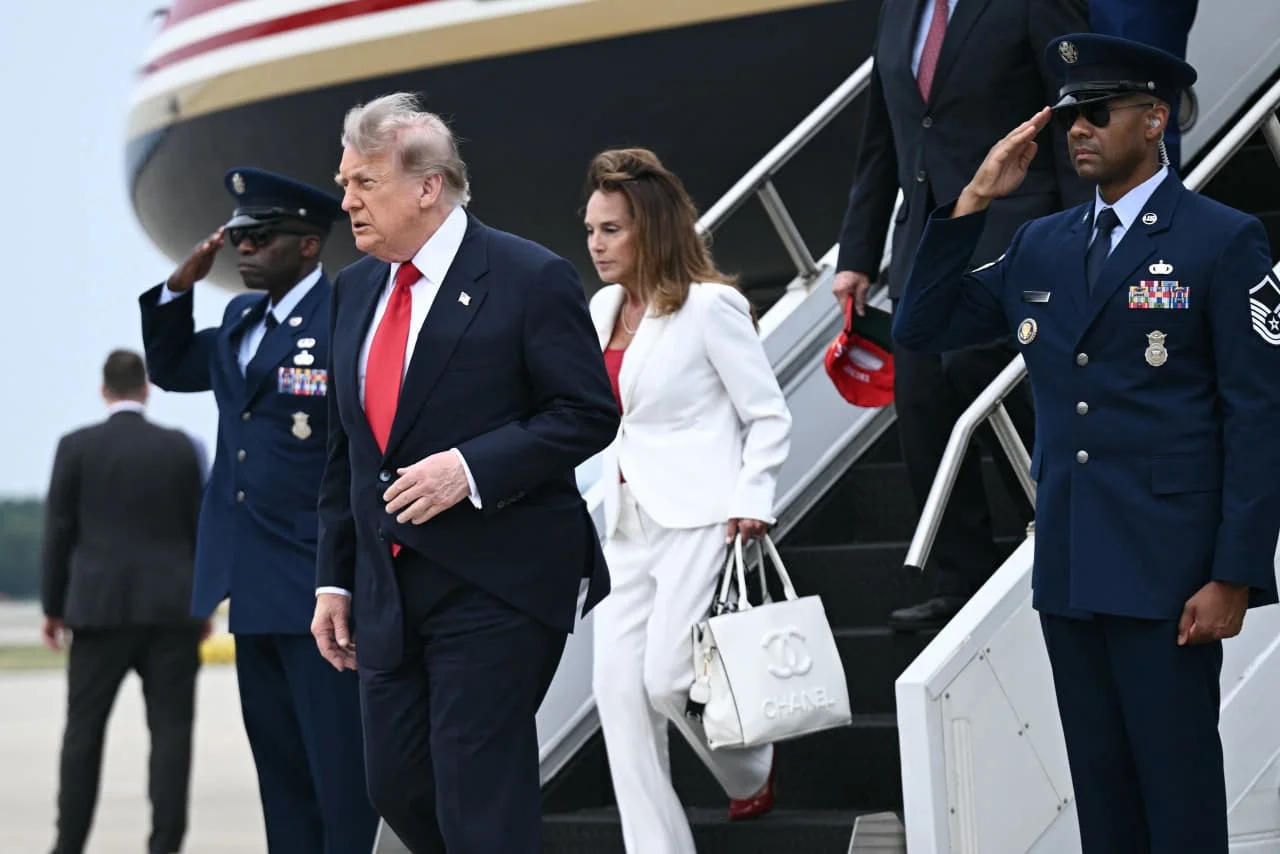
As President Trump pushes the Federal Reserve for aggressive rate cuts, the Iranian Toman has climbed to 188,800 against the dollar. Meanwhile, a major $470 million investment in military-grade nuclear reactors and a high-profile Los Angeles court case are shifting global sentiment.
At time of publishing
USD
188,800
Toman
Gold 18K
18.21M
Toman / gram
Bitcoin
$64,919
US Dollar
Tether
189,499
Toman
The Attention Economy: From LA Courtrooms to Crypto Sentiment
At the 23:00 Tehran hour, the global news cycle is dominated by the harrowing details emerging from a Los Angeles courtroom. Prosecutors have presented a moment-by-moment account of the final hours of 14-year-old Celeste Rivas Hernandez, whose disappearance and death have been linked to her interactions with the singer D4vd. The court was shown a stream of text messages that ended abruptly as she approached the artist's home. This case has captivated social media, highlighting the volatile intersection of celebrity influence and the digital lives of the youth, a dynamic that often spills over into the broader digital economy.
While seemingly unrelated to finance, these high-profile cultural moments often serve as barometers for retail sentiment. In the crypto world, Bitcoin is currently trapped in an Ichimoku cloud at $64,919, while Ethereum shows signs of outperforming its larger peer. The 'attention economy' driven by such viral news stories frequently dictates the risk appetite of retail investors. For Iranian traders, who often use USDT as a hedge against local volatility, the broader mood of the global internet often precedes shifts in stablecoin demand. When social media is consumed by high-stakes narratives, we often see a tightening of liquidity as users pause to digest the news before re-engaging with the markets.

Nuclear Innovation: Antares and the $470M Military Bet
In a significant move for the technology and energy sectors, Antares has successfully raised $470 million to develop small modular nuclear reactors specifically for the U.S. military. These reactors, ranging from 100 kW to 1 MW, are designed to provide decentralized, resilient power to Air Force bases. This development marks a pivot toward 'micro-nuclear' solutions, aiming to reduce reliance on traditional power grids that are increasingly vulnerable to cyberattacks and physical disruption. For the military, this is about operational continuity; for the market, it is a signal that nuclear energy is entering a new, more agile phase of commercialization.
This massive capital injection into nuclear tech reflects a broader trend where defense spending is driving innovation in the energy sector. As the US-Iran conflict of 2026 continues to simmer with sporadic diplomatic pauses, the push for energy independence becomes a strategic necessity. For investors, the success of Antares suggests that the next decade of 'green' energy might actually be 'atomic' in nature. This shift has long-term implications for global oil demand, as decentralized nuclear power could eventually replace the diesel generators that currently power remote industrial and military outposts worldwide.

Trump, the Fed, and the Toman’s Upward March
In Washington, President Trump has ramped up pressure on the Federal Reserve, specifically targeting the new Chair, Kevin Warsh. Trump stated today that he "knows what Warsh wants to do" regarding rate cuts but expressed concern that the Fed board might obstruct these moves. This political pressure on the central bank is creating a wave of uncertainty in global markets. If the Fed yields to political demands for lower rates, the US Dollar could face downward pressure globally, yet in the hyper-sensitive Iranian market, any sign of US economic instability or shifting policy often leads to a defensive rush into hard currency.
In Tehran, the impact is already visible. The USD sell rate moved from 187,000 to 188,800 (+1.0%) over the last 24 hours. Gold has followed suit, with 18k gold rising from 18,006,371 to 18,214,137 (+1.2%) per gram. The most significant jump was seen in the Emami coin, which surged from 181,500,000 to 185,500,000 (+2.2%). These moves suggest that local traders are not waiting for the outcome of Trump’s diplomatic 'pauses' or Fed decisions; they are pricing in a future of persistent inflation and regional tension. The disconnect between Trump’s talk of diplomacy and the reality of rising local prices highlights the 'risk premium' that continues to weigh on the Iranian economy.
Climate Crisis Meets Industrial Hubs in Europe
Europe is currently facing an 'unprecedented' fire season, with a new heatwave threatening to worsen wildfires across France and Spain. This is not just an environmental disaster; it is a direct threat to industrial output. In the Bordeaux region of France, several key aerospace manufacturing plants are in the path of the flames. These facilities produce sophisticated technology and handle hazardous materials, making the threat of fire even more critical for global supply chains. Hundreds of thousands have already been evacuated as firefighters struggle to contain the blaze.
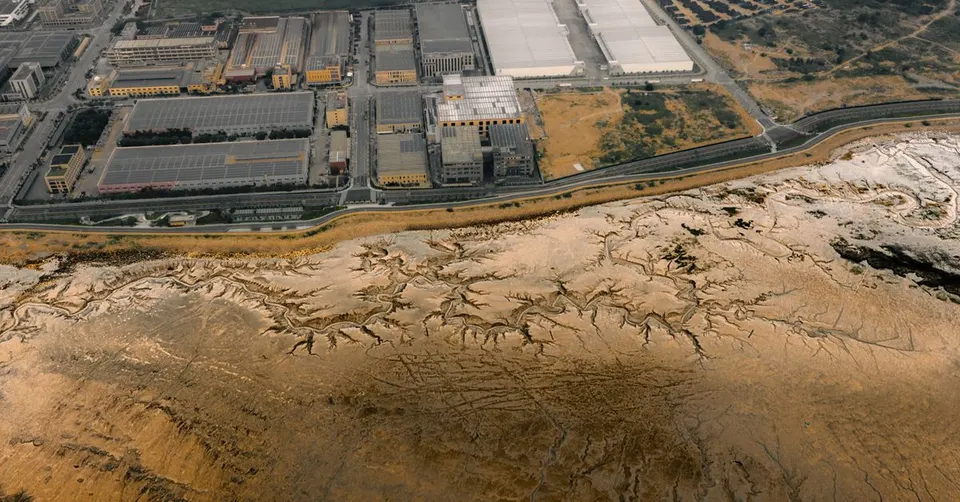
This disruption in the aerospace sector comes at a time when global logistics are already strained by geopolitical tensions. If these plants are forced to shut down for an extended period, it could lead to delays in aircraft production and maintenance, rippling through the global travel and defense industries. For the markets, this serves as a stark reminder that climate volatility is now a permanent factor in economic forecasting. Investors are increasingly looking at geographic diversification to mitigate the risks posed by such extreme weather events, which are becoming the 'new normal' in the 2020s.
Frequently Asked Questions
Why is the Iranian Toman rising despite US diplomatic 'pauses'?
Who is Kevin Warsh and why is Trump pressuring him?
What are micro-nuclear reactors and why did Antares receive $470M?
The Cornerstone of Economic Stability: Understanding Central Bank Independence
Central bank independence is a foundational concept in modern economics, referring to the freedom of a nation's central bank from political interference in its monetary policy decisions. This autonomy is crucial because it allows the central bank to pursue long-term economic goals, primarily price stability, without succumbing to short-term political pressures that might prioritize electoral cycles over sound economic management. For instance, a government facing an election might pressure the central bank to lower interest rates to stimulate the economy, even if such a move could lead to inflation down the line. An independent central bank, like the U.S. Federal Reserve, is designed to resist such temptations.
The primary rationale behind central bank independence is to foster credibility and predictability in monetary policy. When markets and the public trust that the central bank's decisions are based solely on economic fundamentals rather than political expediency, they can make more informed long-term investment and spending decisions. This trust helps anchor inflation expectations, making it easier for the central bank to achieve its mandate of maintaining stable prices and maximizing sustainable employment. Mechanisms ensuring this independence often include long, non-renewable terms for central bank governors, independent funding, and clear statutory mandates that define their objectives.
However, the concept is not without its critics. Some argue that an independent central bank lacks democratic accountability, as its officials are not directly elected. Others suggest that in times of severe crisis, closer coordination between fiscal policy (set by the government) and monetary policy (set by the central bank) might be necessary. Nevertheless, the prevailing consensus among economists and policymakers is that the benefits of an independent central bank, particularly in its ability to control inflation and maintain financial stability, generally outweigh these concerns, contributing significantly to a nation's overall economic health and the stability of its currency.
Topics
Related Articles