
Saudi Arabia Forms Red Sea Defense Pact as US-Iran Conflict Widens; Toman Holds Steady
ائتلاف نظامی جدید عربستان در دریای سرخ همزمان با تشدید درگیری ایران و آمریکا؛ ثبات نسبی قیمت دلار
Saudi Arabia has joined a new military coalition with Egypt and Turkey to protect Red Sea shipping as regional tensions escalate. Meanwhile, the Iranian Toman shows slight gains against the dollar despite the growing geopolitical risk.
At time of publishing
USD
193,300
Toman
Gold 18K
18.72M
Toman / gram
Bitcoin
$64,774
US Dollar
Tether
194,150
Toman
Saudi Arabia Leads New Defense Coalition Amid Widening Conflict
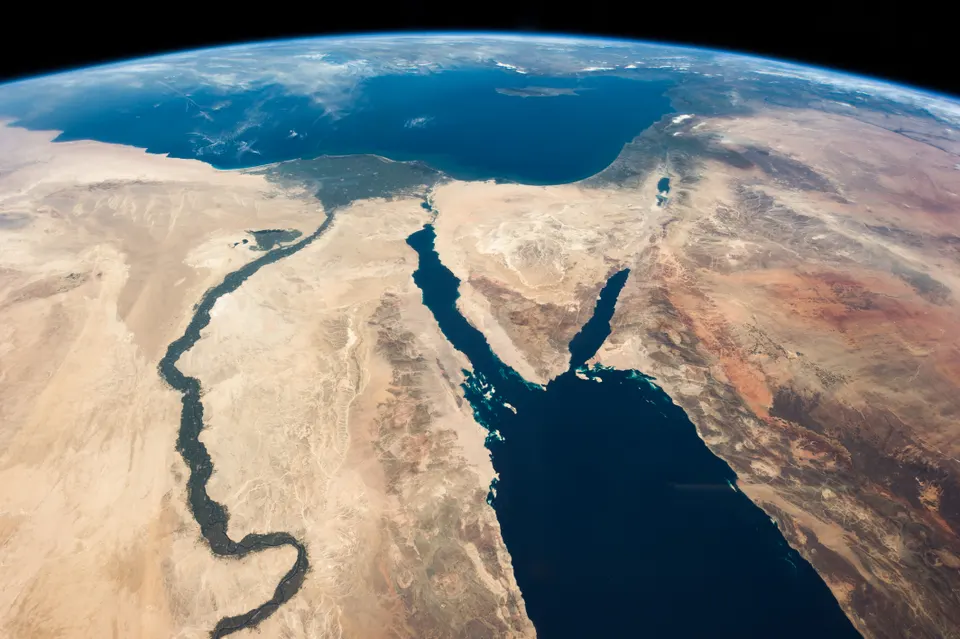
In a significant shift in regional security dynamics, Saudi Arabia has officially joined a new military coalition alongside Egypt, Turkey, and over a dozen other nations. This alliance is specifically designed to protect commercial shipping in the Red Sea, which has become a primary flashpoint as the conflict between the United States and Iran continues to widen. The move comes as Saudi forces appear to be repositioning for a potential offensive against Houthi positions in central Yemen, aiming to break the maritime chokehold that has severely impacted global energy exports and regional stability. For the Iranian market, this represents a major strategic encirclement, as the coalition seeks to neutralize the leverage held by regional proxies in critical waterways.
Despite the gravity of these military developments, the Iranian Toman has shown surprising resilience in the short term. At 23:00 Tehran time, the USD sell rate moved from 193,600 to 193,300, marking a slight decrease of 0.2%. This marginal gain for the Toman suggests that local traders may have already priced in much of the regional escalation, or are waiting for a more definitive military outcome before making large-scale moves. However, the formation of a Saudi-led naval block introduces a new layer of risk for Iran’s economic corridors, potentially tightening the effectiveness of existing sanctions and complicating the movement of shadow-market goods.
Fed Credibility Under Fire as Inflation Fears Persist
On the global stage, Federal Reserve Chair Kevin Warsh is facing a crisis of confidence from Wall Street. Despite his repeated assertions that the Fed will do "whatever it takes" to bring U.S. inflation down to its 2% target, many institutional investors remain skeptical of the central bank's resolve. This doubt is rooted in the perceived conflict between aggressive interest rate hikes and the need to maintain financial stability during a period of heightened geopolitical turmoil. If the market continues to doubt the Fed's inflation-fighting capabilities, we could see a further flight into hard assets like gold, which is currently trading at a staggering $4,114.90 per ounce.
For Iranian investors, the Fed's struggle is a double-edged sword. A weaker Fed resolve typically leads to a softer U.S. Dollar globally, which could theoretically provide some breathing room for the Toman. However, the persistent global inflation that Warsh is fighting also drives up the cost of imported goods and services, exacerbating the domestic inflationary pressures already felt in Tehran. The current dip in gold prices in the local market—with 18k gold falling from 18,791,264 to 18,717,392 Toman (-0.4%)—reflects a temporary correction rather than a shift in long-term sentiment regarding the metal's status as a premier hedge against global instability.

Bitcoin Trapped in Range as Global Risks Mount
Bitcoin remains stuck in a narrow trading corridor, currently priced at $64,774. This lack of volatility is somewhat unusual given the intensity of news from the Middle East and the escalating health crisis in the Democratic Republic of Congo, where an Ebola outbreak has become the second-deadliest in history in record time. Usually, such high-level geopolitical and humanitarian risks would trigger a flight to digital assets, but the market currently appears paralyzed by uncertainty. Bitcoin is effectively trapped around the $64,860 level on an hourly basis, suggesting that traders are waiting for a clear catalyst—either a major policy shift from the Fed or a decisive turn in the US-Iran conflict—before committing to a direction.
For the local crypto community in Iran, the stability of Tether (USDT) remains the primary concern. At 194,150 Toman, USDT continues to trade at a premium relative to the official free-market dollar rate, reflecting the high demand for liquid, borderless capital. As long as Bitcoin remains range-bound, the primary driver for Iranian crypto portfolios will continue to be the Toman's exchange rate rather than the price action of the underlying assets. The current "calm" in the crypto market should be viewed with caution, as a breakout in either direction could be violent once the current period of consolidation ends.
Global Crises: Migration and Disease Outbreaks
Beyond the financial and military spheres, the world is grappling with severe humanitarian challenges that indirectly impact global risk appetite. In the Spanish enclave of Ceuta, migrants have been seen swimming around border fences in a desperate attempt to enter Europe from Morocco, overwhelming local resources. Simultaneously, the Ebola outbreak in the Congo has claimed over 1,500 lives in just two months, spreading at a speed never before recorded by health officials. These events contribute to a growing sense of global "permacrisis," which keeps investors on edge and maintains the high premium on safe-haven assets like the Emami coin, which currently sits at 188,000,000 Toman.

While these stories may seem distant from the streets of Tehran, they represent the broader breakdown of international stability that characterizes 2026. As resources are diverted to manage health crises and migration surges, the capacity for international mediation in the Middle East conflict diminishes. For the average Iranian citizen, this means that the current economic environment—defined by high prices and geopolitical tension—is unlikely to see a swift diplomatic resolution, making long-term financial planning and asset diversification more critical than ever.
Frequently Asked Questions
Why did Saudi Arabia form a new military alliance in the Red Sea?
How has the Toman responded to the latest regional military escalation?
What is the significance of the skepticism surrounding Fed Chair Kevin Warsh?
Currency Pegs and Fixed Exchange Rate Regimes
A currency peg is a policy where a country’s monetary authority fixes its official exchange rate to that of another, usually more stable, currency. The most common form is a hard peg, where the central bank commits to buying and selling its own currency at the announced rate, often backed by foreign exchange reserves. This contrasts with a floating regime, where market forces determine the price of the currency. By anchoring to a strong currency—like the U.S. dollar—countries aim to import price stability, curb inflation, and foster investor confidence, especially when domestic monetary policy tools are limited.
Iran’s official exchange rate for the toman (the unit used in everyday pricing, equal to 10 rials) has historically been subject to multiple parallel markets, but the government frequently intervenes to keep the official rate relatively steady despite sanctions, regional tensions, and volatile oil revenues. Such interventions resemble a managed peg: the central bank does not promise unlimited convertibility but uses foreign reserves, import controls, and capital flow regulations to limit large swings. The approach can succeed in the short run, but it also creates distortions—black‑market premiums, reduced foreign investment, and the risk of a sudden devaluation if reserves run low.
The stability of a peg is closely linked to the monetary policy of the anchor currency. When the U.S. Federal Reserve raises rates to fight inflation, the dollar typically strengthens, which can put upward pressure on the pegged currency’s price in foreign markets. For Iran, a stronger dollar can make imports more expensive in local terms, feeding domestic inflation even if the official rate stays unchanged. Conversely, a weakening dollar can ease import costs but may trigger capital outflows as investors seek higher yields elsewhere, challenging the peg’s credibility.
Countries that maintain a peg must constantly balance the benefits of price stability against the costs of reduced policy autonomy. A credible peg can lower the cost of borrowing, stabilize commodity prices (like gold, which many Iranians use as a hedge), and support trade relationships. However, when external shocks—such as a widening US‑Iran conflict, regional security crises, or sudden shifts in global commodity prices—intensify, the strain on reserves can become acute, leading to a currency crisis. Understanding how pegs work helps explain why the toman may appear steady today, yet remains vulnerable to rapid change.
Topics
Related Articles