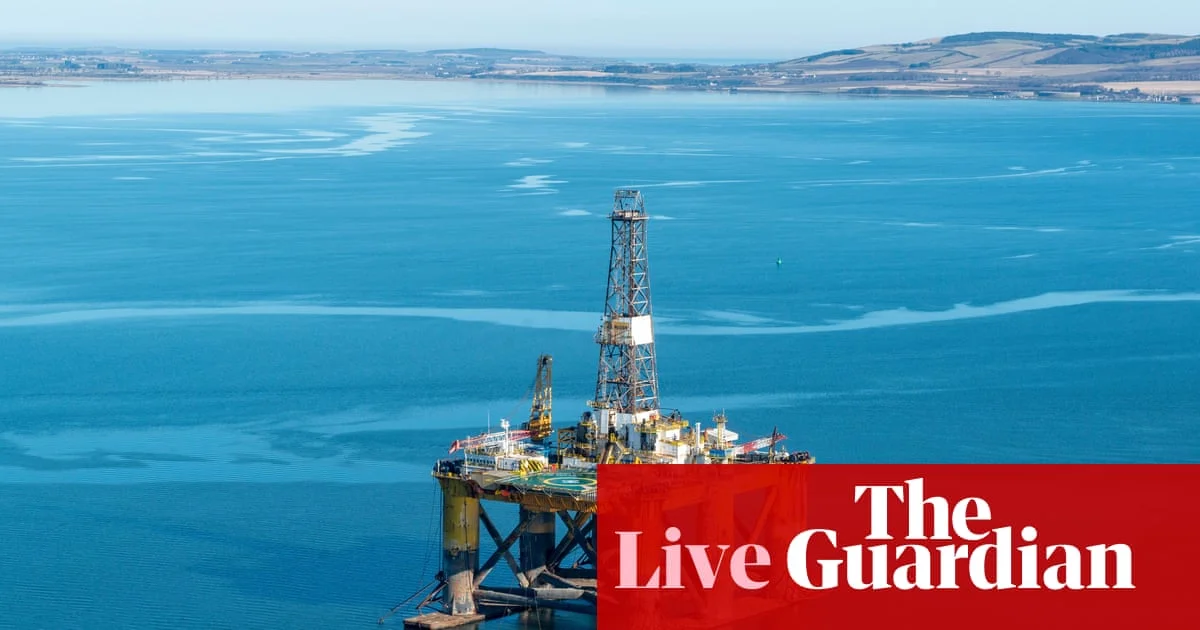
Global Markets Shaken by US-Iran Conflict as IRGC Strikes Kuwait and BP Exits North Sea
تلاطم در بازارهای جهانی در پی حمله تلافیجویانه سپاه به کویت و خروج بیپی از دریای شمال
A dramatic escalation in regional tensions sees the IRGC claiming strikes on Kuwait while global markets grapple with the economic fallout of the US-Iran conflict. Meanwhile, BP divests from the North Sea as AI-driven surges in Korea contrast with stagnant Western real estate.
At time of publishing
USD
192,850
Toman
Gold 18K
18.56M
Toman / gram
Bitcoin
$63,957
US Dollar
Tether
193,119
Toman
The Economic Shadow of the US-Iran Conflict
The global economic landscape is increasingly being reshaped by the ongoing military friction between the United States and Iran. In a significant move reflecting this instability, British energy giant BP has announced plans to sell its North Sea business. This divestment comes as the UK housing market shows signs of stagnation, with house price growth slowing to a mere 0.1% in July. Analysts point to the conflict's upward pressure on energy prices and interest rates as a primary driver of consumer caution, proving that the geopolitical tremors in the Middle East are felt directly in the pocketbooks of Western homeowners.

While the West grapples with inflation and high interest rates, South Korea’s Kospi index has seen a record 17% surge, led by AI heavyweights like Samsung and SK Hynix. This divergence highlights a bifurcated global economy: one side fueled by the relentless advance of artificial intelligence, and the other weighed down by the traditional costs of energy and warfare. For Iranian observers, this global volatility is a double-edged sword; while high energy prices theoretically benefit oil producers, the systemic risk and sanctions environment continue to suppress the broader domestic economy, keeping the USD/IRR rate at an elevated 192,850 Tomans.
IRGC Claims Strikes on Kuwait as Regional War Expands
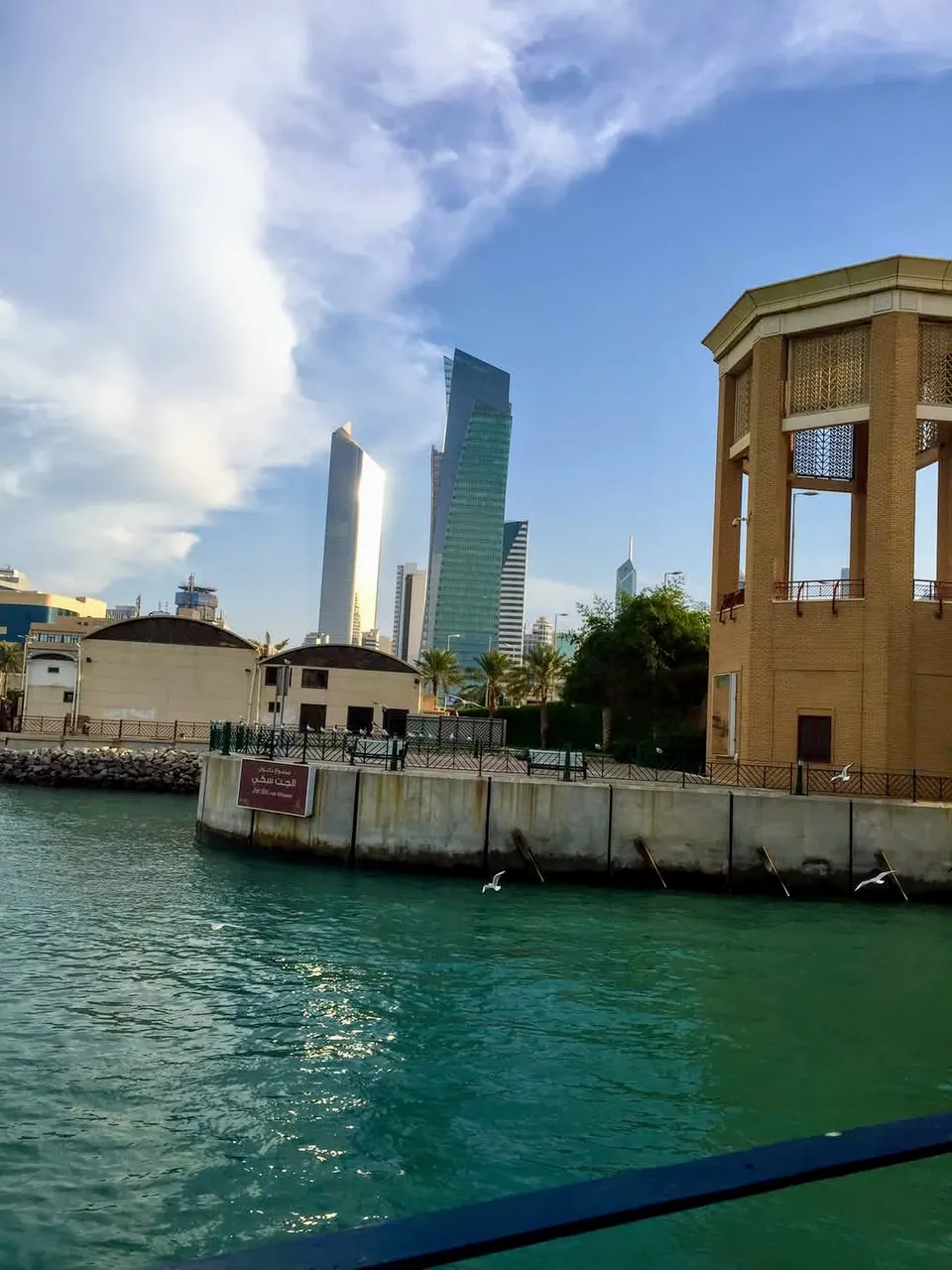
The military situation has taken a sharp turn for the worse as the Islamic Revolutionary Guard Corps (IRGC) claimed a "retaliatory attack" on Kuwait. According to state-aligned reports, this move was a direct response to US strikes carried out on Thursday. By targeting a Gulf neighbor, the conflict has moved beyond a bilateral exchange between Washington and Tehran, threatening the vital shipping lanes and energy infrastructure of the entire Persian Gulf. This escalation has sent ripples through the energy markets, with five tankers bound for the Russian port of Novorossiysk already redirecting to Turkey and Spain following drone attacks in the Black Sea, further tightening global supply.
On the diplomatic and intelligence front, the shadow war has reached the Mediterranean. A UK-Azerbaijan national, Rashad Sultanov, was recently arrested in Cyprus on suspicion of spying on the RAF Akrotiri base for Iranian intelligence. This arrest underscores the reach of the current conflict, suggesting that Iranian operations are actively targeting Western military assets far beyond the immediate theater of war. For the average Iranian citizen, these developments signal a prolonged period of high-risk environment, making any significant correction in the price of gold or foreign currency unlikely in the near term.
Markets and Crypto: A State of Paralysis
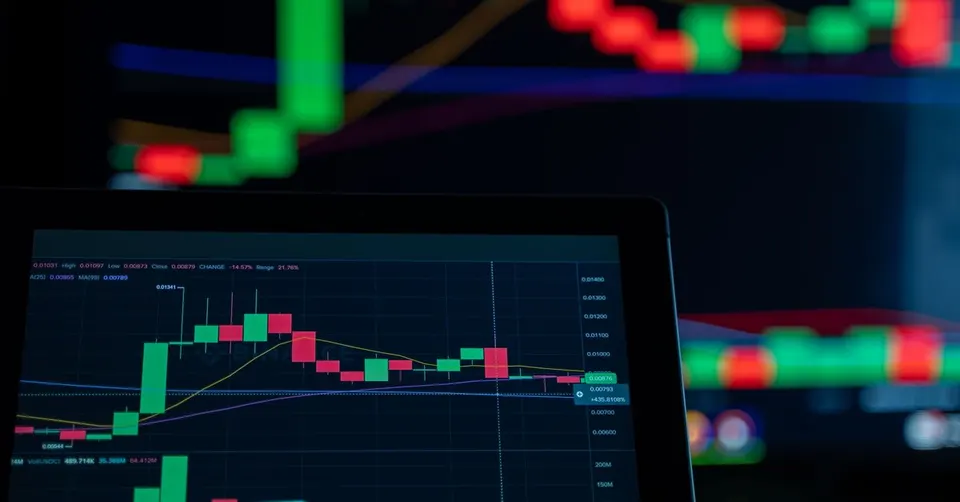
Financial markets are currently trapped in a state of "wait and see." Bitcoin has remained remarkably flat, hovering near the $63,957 mark as investors weigh the potential for a Federal Reserve interest rate cut against the backdrop of escalating Middle Eastern tensions. The cryptocurrency, often touted as digital gold, has not yet shown a decisive breakout, as liquidity appears to be clustering in fewer, more established institutional tokens rather than a broad-based altcoin rally. The 24-hour delta shows BTC is struggling to break out of the $63,000 to $66,000 range, reflecting a broader hesitation in risk assets.
In the domestic Iranian market, there has been a slight cooling in prices, though they remain near historic highs. The USD sell rate moved from 193,300 to 192,850 (-0.2%), while 18k gold saw a more pronounced dip from 18,717,392 to 18,560,413 Tomans per gram (-0.8%). This minor decline is likely a technical correction after days of intense speculation rather than a sign of fundamental stability. As the climate crisis supercharges wildfire risks in Europe and energy pipelines face constant drone threats, the macro-environment remains too volatile for any sustained downward trend in safe-haven assets.
Frequently Asked Questions
Why is BP selling its North Sea business now?
How did the IRGC's claim about Kuwait affect the Iranian Toman?
What is the significance of the espionage arrest in Cyprus?
Understanding Geopolitical Risk in Global Markets
Global markets are inherently sensitive to a myriad of factors, but few cast as long a shadow as Geopolitical Risk. This concept refers to the potential for political instability, international conflicts, and shifts in global power dynamics to disrupt economic activity, trade, and investment. When headlines speak of military strikes, international disputes, or significant policy changes between nations, it signals an elevated geopolitical risk, prompting investors and businesses to re-evaluate their strategies and often leading to widespread market volatility. The recent US-Iran conflict and the reported IRGC strike on Kuwait are prime examples of events that immediately amplify such risks.
TheThe mechanisms through which geopolitical risk impacts markets are diverse. In the energy sector, conflicts in oil-rich regions, or those affecting key shipping lanes, can lead to immediate supply disruptions and sharp spikes in crude oil prices, as seen with past crises in the Middle East. This directly affects everything from transportation costs to manufacturing expenses. Financially, heightened uncertainty drives investors towards traditional safe-haven assets like gold, pushing its price up, while simultaneously causing depreciation in currencies perceived as vulnerable. Capital flight from riskier markets and a general slowdown in foreign direct investment are also common repercussions, as companies like BP might reassess their long-term commitments in volatile regions.
Beyond the immediate market reactions, geopolitical risk has profound, long-term implications. It can reshape trade routes, accelerate transitions in energy policy, and even influence the global supply chain architecture as nations and corporations seek to de-risk their operations. Central banks and governments also factor these risks into their monetary and fiscal policies, often facing the difficult challenge of balancing economic stability with national security concerns. Understanding geopolitical risk is therefore crucial for anyone seeking to comprehend the underlying forces that frequently shake the foundations of the global economy.
Topics
Related Articles