Iran Sanctions Evasion, Hull Funeral Scandal, and UK Petrol Price Surge
فرار از تحریمهای ایران، رسوایی مدیر سردخانه هال، و افزایش قیمت بنزین در بریتانیا
Iranian entities are reportedly using cryptocurrency exchanges to evade sanctions, while a shocking funeral director scandal in Hull has led to a 20-year prison sentence. Meanwhile, UK petrol prices have climbed to their highest this year, influenced by regional tensions.
At time of publishing
USD
193,400
Toman
Gold 18K
18.62M
Toman / gram
Bitcoin
$63,680
US Dollar
Tether
193,851
Toman
Hull Funeral Director Jailed for 20 Years Over 'Rotting Bodies'
Robert Bush, owner of Legacy Independent Funeral Services in Hull, has been sentenced to two decades in prison for a series of shocking offenses. Over a span of 12 years, Bush neglected his duties, leaving dozens of bodies, including that of a miscarried baby, to decompose in his mortuary. He also compounded the misery of bereaved families by providing them with the wrong ashes. The court heard harrowing accounts from over 80 individuals who detailed the immense trauma and distress caused by Bush's actions, which included 30 counts of preventing a lawful and decent burial.
This case highlights a profound breach of trust and a disturbing disregard for the deceased and their grieving families. The sheer scale of the negligence and the emotional devastation inflicted underscore the critical importance of regulatory oversight in such sensitive industries. For Iranian readers, while this story is geographically distant, it serves as a stark reminder of the potential for catastrophic failure when ethical standards and legal obligations are abandoned, impacting public confidence and the sanctity of final farewells. The lengthy sentence reflects the severity of the crimes and the deep societal impact of such betrayals.
Iran-Linked Crypto Network Accused of $4 Billion Sanctions Evasion
Dubai-based cryptocurrency exchange Shelbit is reportedly implicated in a massive sanctions evasion network, allegedly facilitating the transfer of hundreds of millions of dollars to major crypto platforms like Binance. This network is accused of channeling funds to sanctioned Iranian entities, effectively using digital assets to circumvent international economic restrictions. The Treasury Department has also specifically targeted a platform called Hormuz Safe, which allegedly accepted Bitcoin and other digital assets as part of a workaround scheme tied to IRGC-controlled shipping.
These developments underscore the persistent challenges faced by international authorities in preventing the misuse of cryptocurrencies for illicit financial activities, particularly in circumventing sanctions. For Iran, such networks, if confirmed, represent a critical lifeline for accessing global markets and mitigating the impact of economic pressure, but also expose the regime to further international scrutiny and potential punitive measures. The involvement of major exchanges, even indirectly, raises questions about their compliance protocols and the broader risks within the digital asset ecosystem. This activity directly impacts the perceived stability of cryptocurrencies and could influence investor sentiment, including among Iranian individuals who increasingly turn to crypto amid domestic economic instability.
UK Petrol Prices Surge to 2026 High Amid Regional Tensions
Motorists in the United Kingdom are facing the highest petrol prices of the year, with the cost of unleaded fuel reaching approximately £1.60 per litre. This surge, reported by motoring groups the AA and RAC, is attributed to elevated oil prices, which have been exacerbated by renewed military actions in the Middle East. The situation was further inflamed by Iran's claims of launching attacks on U.S. military assets in Kuwait and Bahrain, directly impacting crude oil supply concerns and market stability.
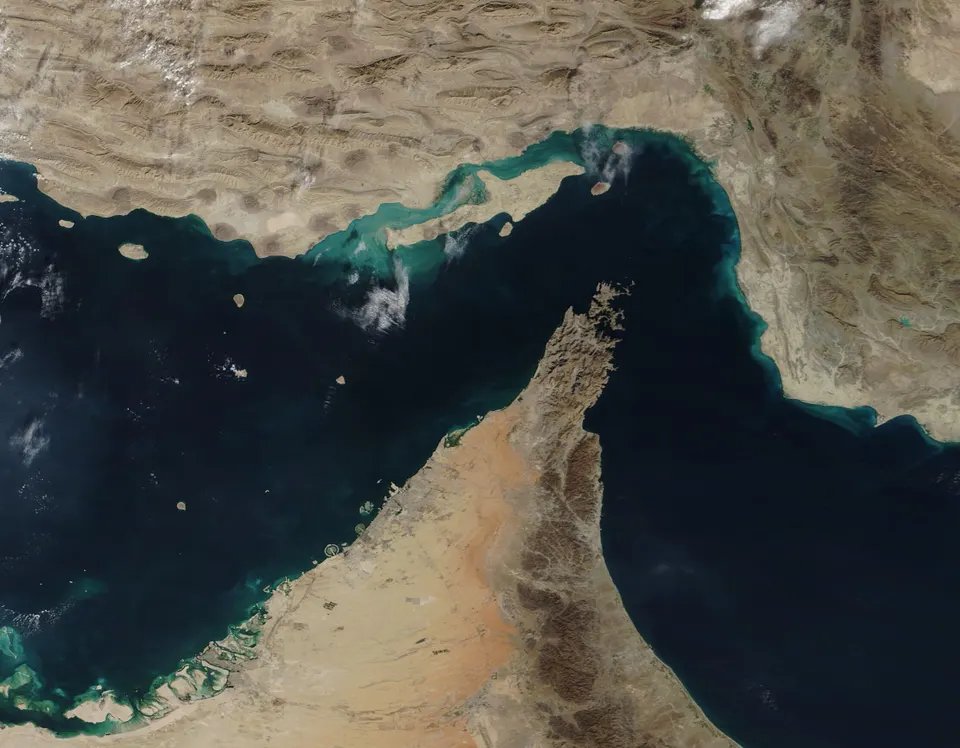
This escalation in regional hostilities, particularly involving Iran and U.S. bases, has predictably unsettled global energy markets. The Strait of Hormuz, a vital chokepoint for oil transport, remains a focal point of uncertainty, leading traders to price in a higher risk premium. For Iranians, while this may not directly translate to immediate price changes at the pump at home, it signifies a volatile global energy landscape. Such geopolitical instability often correlates with fluctuations in global oil prices, which can indirectly affect Iran's own oil export revenues and its broader economic strategies. The continued reliance on fossil fuels means that regional conflicts will continue to have a tangible impact on global markets, influencing trade dynamics and economic forecasts worldwide.
Man Accused of Spying for Iran at British Air Base in Cyprus
Rashad Sultanov, a dual British and Azerbaijani citizen, has been arrested and accused of spying for Iran at a sensitive British air base in Cyprus. The military installation is a key hub for operations in the Middle East, and Sultanov is alleged to have surveilled its activities, passing critical information to Iran's Revolutionary Guards. This development adds another layer of complexity to the already strained relations between Iran and Western powers, particularly the UK.
The accusation raises serious security concerns about potential infiltration of critical military infrastructure. For Iran, such alleged espionage activities, if proven, would represent a significant intelligence gain and a strategic move to monitor Western operations in a volatile region. For the UK and its allies, it underscores the persistent threat of foreign intelligence gathering and the need for stringent security protocols. This incident is likely to further fuel diplomatic tensions and could potentially lead to increased scrutiny of individuals with dual nationalities operating within sensitive environments, impacting perceptions of security and trust.
Frequently Asked Questions
How are Iranian entities allegedly evading sanctions using cryptocurrency?
What were the specific crimes of the Hull funeral director?
Why have UK petrol prices reached their highest point this year?
What are the implications of the alleged spying incident in Cyprus?
How might these events affect the Iranian Toman or market confidence?
Sanctions Evasion: A Global Challenge Amplified by Cryptocurrency
Economic sanctions are powerful foreign policy tools, designed to pressure targeted countries or entities into changing their behavior by restricting their access to international finance, trade, and technology. However, the effectiveness of sanctions hinges on their enforcement, and sanctioned parties often dedicate significant resources to circumvent these restrictions. This act of circumventing sanctions, known as sanctions evasion, has become a sophisticated global challenge.
Historically, sanctions evasion relied on methods like establishing front companies in third countries, illicit trade routes involving mislabeled goods, or using complex financial networks to obscure transactions. These traditional methods aimed to bypass the scrutiny of conventional banking systems and customs authorities. The goal is always the same: to maintain access to critical goods, services, or funds despite international prohibitions.
In the digital age, the landscape of sanctions evasion has evolved dramatically with the rise of cryptocurrencies. The decentralized and pseudonymous nature of many cryptocurrencies makes them an attractive alternative to traditional financial systems for those seeking to move funds discreetly. Transactions on blockchain networks can be harder to trace back to specific individuals or entities, especially when sophisticated mixing services or privacy coins are employed. This presents a significant challenge for international enforcement agencies trying to monitor financial flows and prevent illicit activities.
While cryptocurrencies offer new avenues for evasion, global efforts are intensifying to counter their misuse. Financial intelligence units and international bodies like the Financial Action Task Force (FATF) are developing guidelines and technologies to enhance the traceability of crypto transactions and identify suspicious activities. Understanding sanctions evasion, particularly its modern forms, is crucial for grasping the complexities of global geopolitics and the ongoing struggle between international law and those seeking to undermine it.
Topics
Related Articles