AI 'Wunderkind' Fund Collapses as Iran Strikes Tankers Under US Escort in Hormuz
سقوط صندوق «اعجوبه هوش مصنوعی» همزمان با حمله ایران به نفتکشهای تحت اسکورت آمریکا در هرمز
Global markets are grappling with the fire sale of Leopold Aschenbrenner’s AI-focused hedge fund while the IRGC reports strikes on tankers in the Strait of Hormuz. Despite the geopolitical escalation and a slump in Bitcoin prices, the FTSE 100 shows surprising resilience.
At time of publishing
USD
193,000
Toman
Gold 18K
18.58M
Toman / gram
Bitcoin
$62,518
US Dollar
Tether
194,200
Toman
The Fall of the 'AI Nostradamus' and Market Contagion
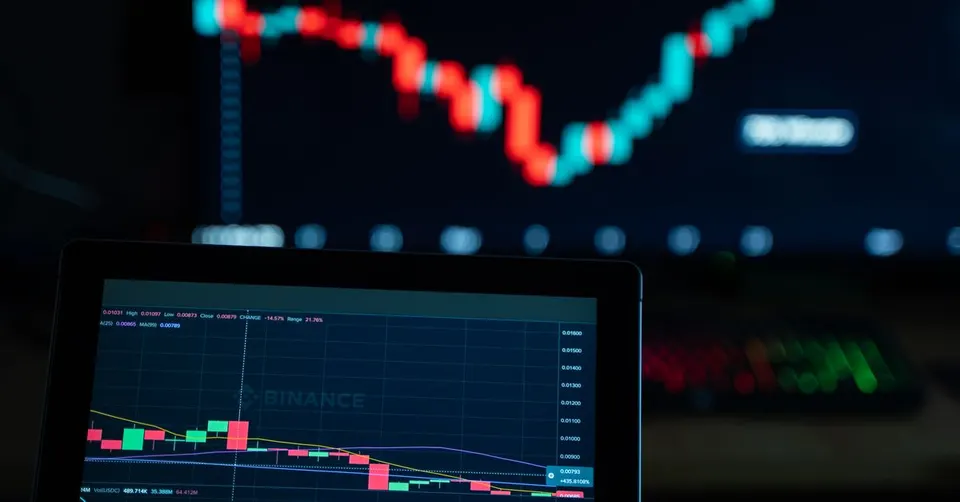
The financial world is reeling from the sudden collapse of a major AI-focused hedge fund managed by Leopold Aschenbrenner, a 24-year-old former OpenAI and FTX Future Fund associate. Aschenbrenner, once dubbed the "Nostradamus of AI," was forced into a fire sale after his debt-fueled bets on artificial intelligence companies soured. This implosion comes as the initial euphoria surrounding the AI boom begins to evaporate, leaving investors to realize that even the most promising tech stocks are not immune to market gravity. The contagion has spread to the crypto sector, where Bitcoin (BTC) has slid to $62,518, and major exchanges like Coinbase have seen their stock prices sink by as much as 15%.
Despite this volatility, London’s FTSE 100 is on track for its best month in nearly half a year, defying the broader tech slump and regional disruptions. This resilience is partly driven by energy and commodity stocks that typically hedge against Middle East instability. However, the retail sector is feeling the pinch as UK petrol prices rise to £1.60 per litre, the highest since the onset of renewed US-Iran hostilities five months ago. For Iranian readers, this global shift mirrors the local volatility in the Tether (USDT) market, which remains priced at a premium of 194,200 Toman, indicating a persistent demand for dollar-pegged assets as a safety net against both local currency fluctuations and global tech instability.
Escalation in Hormuz: Tankers Under Fire
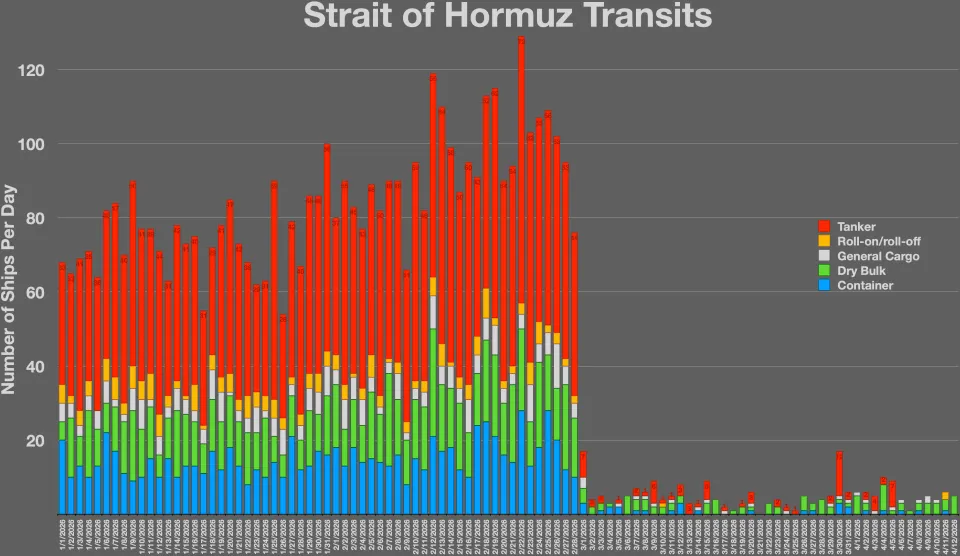
Tensions in the Persian Gulf have reached a critical flashpoint as Iran’s Islamic Revolutionary Guard Corps (IRGC) reported striking two tankers attempting to transit the Strait of Hormuz under US military escort. This direct confrontation represents a significant escalation in the ongoing conflict between Washington and Tehran, which has seen sporadic fighting for the past two weeks. The timing is particularly sensitive as Donald Trump gathers his cabinet to discuss the stalling war effort and the impact of rising energy prices on the upcoming US midterm elections. The IRGC's claim of hitting vessels under direct American protection suggests a new level of risk appetite that could fundamentally disrupt global oil supply chains.
In the domestic Iranian market, this geopolitical heat has surprisingly not triggered a massive spike in the USD/IRR rate today. The US Dollar (USD) sell rate moved slightly from 193,300 to 193,000 Toman, a marginal decrease of 0.2%. Similarly, 18k gold prices saw a slight cooling, moving from 18,717,392 to 18,583,498 Toman per gram (-0.7%). This counter-intuitive market behavior suggests that local traders may have already priced in a high level of regional conflict, or that the Central Bank is actively intervening to prevent a panic-driven run on the Toman during this military standoff.
Pharma Woes and the Fragility of the Gaza Peace Deal
Beyond the energy and tech sectors, the healthcare market took a hit on Friday as the Danish giant Novo Nordisk saw its stock slump following a failed Phase 3 trial. This development is a sobering reminder of the high-stakes nature of pharmaceutical innovation, especially for a company that has become a market darling due to its weight-loss and diabetes treatments. The failure adds to a growing list of concerns for investors who have heavily concentrated their portfolios in a few high-performing sectors, further fueling the rotation out of growth stocks and into more defensive positions as global uncertainty mounts.
Meanwhile, on the diplomatic front, the "Board of Peace" initiative led by Donald Trump faces significant hurdles. While Trump claimed a breakthrough regarding the "complete disarmament" of Hamas in Gaza, the Israeli government has remained silent and far-right ministers have openly voiced skepticism, calling instead for emigration and the total destruction of the group. This lack of consensus suggests that the path to a permanent ceasefire remains fraught with obstacles. Simultaneously, a humanitarian crisis is unfolding in the Spanish enclave of Ceuta, where over 50,000 migrants crossed from Morocco in a single day. These converging crises—from pharmaceutical failures to migration surges—illustrate a world in transition, where old alliances and economic certainties are being tested by rapid geopolitical shifts.

Frequently Asked Questions
Why did Leopold Aschenbrenner's hedge fund collapse?
What is the impact of the IRGC tanker strikes on oil prices?
How did Novo Nordisk's trial failure affect the broader market?
Geopolitical Risk and the Strait of Hormuz: A Chokepoint for Global Markets
Geopolitical risk is a paramount factor influencing global markets, defined as the potential for political events to disrupt economic activity. These risks are inherently unpredictable but can have profound and immediate effects on everything from oil prices to stock markets and even emerging technologies like cryptocurrencies. The scenario involving tanker attacks under US escort in the Strait of Hormuz serves as a stark reminder of how regional conflicts can ripple across the global economy, triggering widespread market volatility.
At the heart of this particular risk lies the Strait of Hormuz, one of the world's most critical maritime chokepoints. This narrow waterway connects the Persian Gulf to the open ocean, and its strategic importance cannot be overstated: approximately one-fifth of the world's total oil consumption and a significant portion of its liquefied natural gas (LNG) pass through it daily. Any disruption, such as military confrontations, blockades, or attacks on shipping, immediately threatens global energy supplies and vital trade routes, creating immense uncertainty for international commerce.
When tensions escalate in the Strait of Hormuz, the economic consequences are swift and far-reaching. The price of crude oil typically surges due to fears of supply disruption, directly impacting energy costs worldwide. Shipping costs also increase dramatically as insurers raise premiums for vessels traversing the high-risk zone, affecting global supply chains and consumer prices. Investor confidence plummets, leading to a flight to safety, where investors sell off riskier assets like stocks (e.g., Novo Nordisk slump, FTSE 100 resilience test) and cryptocurrencies (e.g., Bitcoin price crash) and move into more stable investments.
Currency markets are equally sensitive; currencies of oil-importing nations may weaken, while those of oil exporters might strengthen. For currencies directly involved in the conflict, like the USD/IRR, extreme volatility becomes the norm, reflecting heightened political and economic instability. The collapse of an investment fund, even one focused on AI, can be a direct casualty of such widespread market panic, demonstrating how a localized geopolitical event can cascade into diverse financial sectors globally.
Ultimately, geopolitical risks, especially those involving critical chokepoints like the Strait of Hormuz, are not isolated incidents. Their impact is systemic, capable of triggering widespread market volatility and affecting diverse asset classes, from traditional equities and commodities to newer financial instruments. Understanding this interconnectedness of global politics and economics is crucial for navigating an increasingly complex world.
Topics
Related Articles