Climber Missing in Pakistan Avalanche; Tesla Faces NHTSA Probe; Apple's Supply Chain Woes
کوهنورد مفقود در پاکستان؛ تسلا تحت بازرسی NHTSA؛ مشکلات زنجیره تامین اپل
A renowned climber is missing in Pakistan after a deadly avalanche, while in the tech world, Tesla faces a major safety investigation by the NHTSA, and Apple grapples with escalating supply chain challenges.
At time of publishing
USD
192,800
Toman
Gold 18K
18.58M
Toman / gram
Bitcoin
$62,997
US Dollar
Tether
193,771
Toman
Nirmal Purja Missing After Pakistan Avalanche
Tragedy has struck the mountaineering world as renowned British-Nepali climber Nirmal Purja is reported missing following a devastating avalanche in Pakistan. The incident, which occurred in a remote region, has also claimed the lives of at least four other individuals, including an American climber and the first Omani woman to summit Mount Everest. Purja, celebrated for his incredible feats of endurance and determination, including his record-breaking ascent of all 14 of the world's eight-thousand-meter peaks in under seven months, was reportedly on an expedition when the disaster struck.

The exact circumstances leading to the avalanche are still being pieced together, but such events in these high-altitude environments are often triggered by a combination of unstable snowpack, steep terrain, and adverse weather conditions. The loss of life underscores the inherent dangers faced by those who push the limits of human endurance in extreme environments. For the mountaineering community and Purja's legion of fans, the news brings a somber reminder of the risks involved and a fervent hope for his safe recovery.
---
Tesla Faces Major NHTSA Investigation Over Suspension Failures
In a significant development for the electric vehicle giant, the U.S. National Highway Traffic Safety Administration (NHTSA) has launched a formal investigation into approximately 1.2 million Tesla vehicles. The probe centers on reports of suspension failures that could potentially lead to a "loss of vehicle directional control," a serious safety concern that could have catastrophic consequences on the road. The investigation covers Model 3 vehicles from 2018-2020 and Model Y vehicles from 2021-2023, encompassing a substantial portion of Tesla's production over recent years.
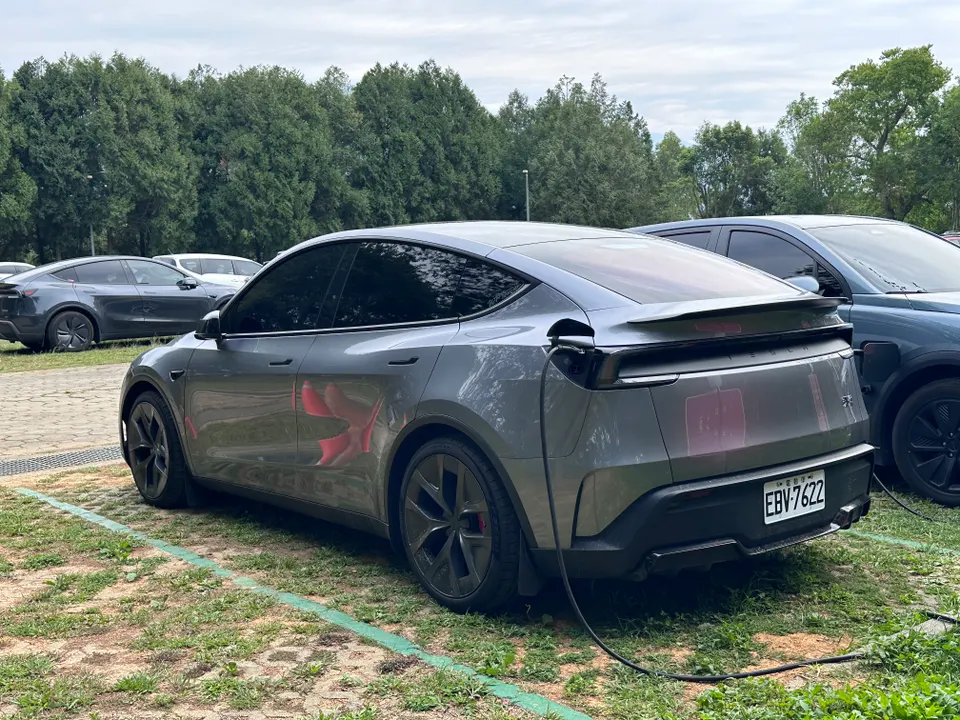
This investigation represents a critical juncture for Tesla, a company that has built its reputation on innovation and safety. While the NHTSA is currently in the preliminary stages, the sheer volume of vehicles involved and the nature of the reported defect could lead to widespread recalls or mandated fixes. The outcome of this probe will not only impact the company's bottom line and production schedules but also its brand reputation and consumer trust, especially as it navigates an increasingly competitive EV market. Investors will be closely watching for any developments that could affect the company's robust growth trajectory.
---
Apple's Supply Chain Crunch Intensifies Amid AI Demand
Apple, a company synonymous with seamless product delivery and efficient supply chains, is reportedly facing unprecedented challenges as component shortages, exacerbated by the booming artificial intelligence sector, put immense pressure on its operations. Industry sources indicate that the tech titan is scrambling to secure essential parts, a stark contrast to its historically well-managed supply network. This situation highlights how the insatiable demand for AI-driven technologies is creating ripple effects across the entire global manufacturing landscape, impacting even the most dominant players.

The core of the issue appears to be a crunch for memory components, which are crucial for both consumer electronics and the powerful processors needed for AI development. As AI companies and data centers race to acquire these vital resources, they are creating a bottleneck that affects all manufacturers, including Apple. For a company like Apple, which relies on meticulous planning and just-in-time inventory, such disruptions can lead to production delays, increased costs, and potentially impact product launch timelines. This supply chain squeeze serves as a potent reminder of the interconnectedness of global industries and the vulnerability of even the most resilient business models in the face of rapidly evolving technological demands.
Frequently Asked Questions
What happened to Nirmal Purja?
Why is NHTSA investigating Tesla?
What is causing Apple's supply chain issues?
What is the significance of the avalanche in Pakistan?
Which Tesla models are included in the NHTSA investigation?
Understanding Supply Chain Resilience
In today's interconnected global economy, the phrase "supply chain woes" has become increasingly common, as seen with companies like Apple facing component shortages amidst high AI demand. This highlights the critical importance of Supply Chain Resilience, a concept referring to a supply chain's ability to prepare for and respond to unexpected disruptions, restoring normal operations swiftly and efficiently. Unlike traditional "lean" supply chains that prioritize cost-cutting and efficiency, resilient supply chains build in safeguards to withstand shocks from natural disasters, geopolitical events, or sudden shifts in market demand.
A resilient supply chain is characterized by several key features. Diversification is paramount, meaning sourcing components or manufacturing from multiple geographic locations and suppliers to avoid over-reliance on a single point of failure. Visibility allows companies to track goods and components in real-time across the entire chain, enabling proactive responses to potential bottlenecks. Flexibility in manufacturing processes and logistics routes allows for quick adaptation to changing circumstances, while collaboration with suppliers and partners fosters a robust network capable of joint problem-solving.
The absence of resilience can have significant consequences, ranging from production delays and increased operational costs to lost sales and damage to brand reputation. For instance, component shortages can halt assembly lines, leading to missed revenue targets and frustrating consumers. Investing in resilience, while sometimes incurring higher initial costs due to redundancy or diverse sourcing, ultimately provides long-term stability and competitive advantage by ensuring continuity of operations and customer satisfaction even in turbulent times. As global events continue to demonstrate the fragility of highly optimized, single-source supply chains, resilience has become a strategic imperative for businesses worldwide.
Topics
Related Articles