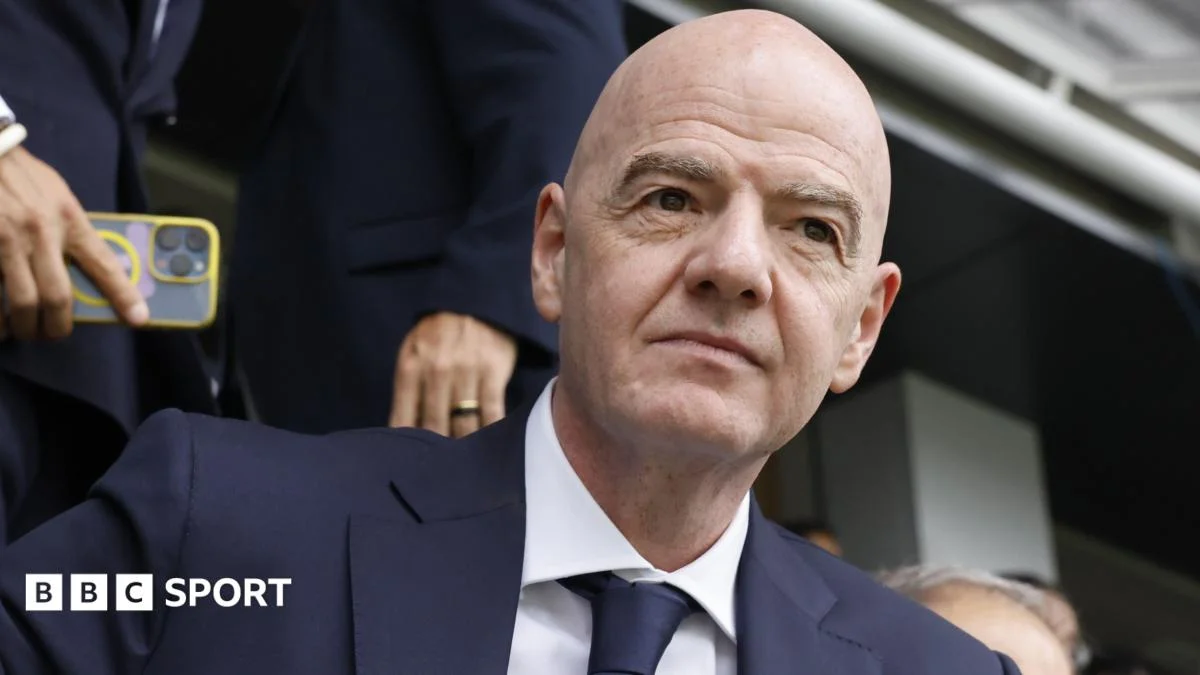
FIFA Scraps Billion-Dollar Stake Sale as Trump Threatens 'Hard Hits' Against Iran
لغو طرح میلیاردی فیفا و تهدیدات جدید ترامپ علیه ایران؛ نوسان ۱ درصدی در بازار طلا
FIFA has officially abandoned its controversial plan to sell stakes in major competitions following intense internal opposition. Meanwhile, geopolitical tensions rise as Donald Trump warns of heavy strikes against Iran, pushing local gold prices up by 1% despite a stable dollar.
At time of publishing
USD
192,700
Toman
Gold 18K
18.76M
Toman / gram
Bitcoin
$63,007
US Dollar
Tether
194,479
Toman
FIFA Abandons Controversial Investment Plan Amid Global Outcry
In a significant reversal for world football’s governing body, FIFA President Gianni Infantino has officially scrapped plans to sell off stakes in the organization’s major competitions. The proposal, which would have seen private investors gain a foothold in the commercial rights of the World Cup and other premier events, had been met with fierce resistance from member associations and fans alike. Critics argued that the move threatened the integrity of the sport by prioritizing short-term financial gains over the long-term health of the global game. Infantino admitted that the project had created unnecessary divisions within the football community, leading to the decision to halt the process entirely.
This retreat marks a rare moment of compromise for the FIFA leadership, which has recently pushed for more aggressive commercialization of the sport. The plan was originally intended to generate billions in revenue to fund development projects worldwide, but the lack of transparency regarding the identity of potential investors fueled suspicions. For the global sports market, this decision signals a cooling of the 'private equity fever' that has seen various leagues and organizations sell pieces of their future earnings to investment firms. It underscores that even in a highly commercialized era, the traditional structures of international sports still hold enough power to check centralized authority.
Trump Backs Away from Ukraine Patriot Deal as Missile Stocks Dwindle
Geopolitical stability faced a new tremor this hour as reports confirmed President Donald Trump has backed away from a deal that would have allowed Ukraine to build its own Patriot missiles. This decision comes at a critical juncture for Kyiv, as President Zelenskyy had recently warned that the nation’s stockpile of interceptors is reaching dangerously low levels. The Patriot system remains Ukraine's most effective defense against ballistic missile strikes, and the cancellation of this local production agreement leaves a significant gap in the country's long-term defense strategy.
The shift in policy reflects the transactional nature of the current U.S. administration's foreign policy, which often prioritizes immediate domestic interests or diplomatic leverage over established military aid commitments. By halting the transfer of technology required for Ukraine to manufacture these advanced systems, the U.S. is effectively increasing Kyiv's dependence on direct American shipments—shipments that have become increasingly subject to political gridlock. For global markets, this move introduces fresh uncertainty regarding the longevity of the conflict in Eastern Europe and the potential for a shift in the regional balance of power.

Tensions Flare as Trump Threatens Iran; Local Gold Prices Climb
At 10:00 Tehran time, the domestic market is reacting to a sharp escalation in rhetoric between Washington and Tehran. Speaking from Camp David, Donald Trump claimed the U.S. is prepared to hit Iran "very hard," asserting that the Iranian military has been significantly weakened. Iranian state-linked media, specifically Tasnim, quickly countered these claims, citing officials who stated that "comprehensive plans" are in place to respond to any American military action. This war of words has immediately impacted the local safe-haven market, with Gold 18k per gram rising from 18,576,573 to 18,756,636 Toman, a 1.0% increase in just 24 hours.
While the gold market is showing signs of agitation, the currency market remains relatively flat, with the USD sell rate moving slightly from 192,800 to 192,700 Toman, a marginal 0.1% decrease. This divergence suggests that while traders are hedging against geopolitical risk by buying gold, the central bank may be intervening to keep the exchange rate stable amidst the threats. The situation remains fluid, as the "brinkmanship" strategy currently employed by both sides keeps the risk premium high for any business operating in the region. For the average Iranian consumer, the rise in gold and coin prices serves as a stark reminder of how sensitive local assets remain to international headlines.
Google Eases Android Developer Restrictions for Sanctioned Nations
In a surprising move within the tech sector, Google has announced plans to exempt developers in sanctioned nations, including Iran and Cuba, from certain new Android developer verification requirements. This policy change allows individual developers in these regions to continue installing and distributing APKs without the restrictive hurdles that usually accompany U.S. sanctions compliance. While this does not mean a full lift of sanctions, it provides a much-needed breathing room for the local tech ecosystem, which has long struggled with "over-compliance" from major Silicon Valley firms.
This shift is part of a broader trend where tech giants are beginning to recognize that total digital isolation often hurts civil society more than the targeted government entities. For Iranian startups and independent developers, this means a lower barrier to entry for maintaining their apps on the world’s most popular mobile operating system. However, the move is likely to face scrutiny from hawks in Washington who view any relaxation of digital barriers as a potential loophole. For now, it represents a rare pragmatic step by a Big Tech company to navigate the complex intersection of global politics and software accessibility.
Frequently Asked Questions
Why did FIFA cancel its World Cup investment plan?
How did the Iranian gold market react to Trump's comments?
What does Google's policy change mean for Iranian developers?
Secondary Sanctions: How They Ripple Through the Global Economy
What are secondary sanctions?
Primary sanctions are direct restrictions a country places on another nation, its government, or its entities. Secondary sanctions go a step further: they target third‑party firms, banks, or individuals that do business with the sanctioned party. By threatening to cut off access to the sanction‑imposing country’s financial system, these measures force even neutral actors to choose between lucrative markets and the safety of a major dollar‑based network.
Why do governments use them?
When diplomatic leverage is limited, secondary sanctions become a powerful coercive tool. The United States, for example, has used them to pressure Iran, Russia, and North Korea by threatening foreign banks that facilitate transactions for those regimes. The threat of “hard hits” – loss of U.S. correspondent banking, exclusion from SWIFT, or asset freezes – can cripple a company’s ability to trade internationally, even if the company never directly engages with the sanctioned state.
Economic consequences
The ripple effects are profound. Companies may abandon high‑profit markets to avoid secondary penalties, leading to reduced foreign investment, lower export revenues, and disrupted supply chains. Asset prices—especially safe‑haven assets like gold—often rise as investors seek protection from heightened geopolitical risk. Moreover, the sanctions can push targeted nations to develop alternative payment systems, reshaping the architecture of global finance.
Real‑world examples
- In 2023 the U.S. threatened European banks with secondary sanctions over their dealings with Iran’s oil sector, prompting many to halt transactions despite lucrative contracts. - The threat of secondary sanctions influenced Google’s decision to limit Android services in Iran, illustrating how tech firms also feel the pressure. - Defense sales, such as Ukraine’s request for Patriot missiles, are often scrutinized under secondary sanction regimes to prevent technology from reaching prohibited end‑users.
Understanding secondary sanctions helps explain why a headline about FIFA’s billion‑dollar stake sale can be abruptly cancelled when political pressure mounts, and why markets react sharply to geopolitical news.
Topics
Related Articles