Bank of England Faces Inflation Dilemma as Bitcoin Holds $76,000 Despite Fed Rate Hike
بانک مرکزی انگلیس در دوراهی تورم؛ بیتکوین ۷۶ هزار دلاری از سد نرخ بهره فدرال رزرو گذشت
The Bank of England is expected to maintain high interest rates as inflation forecasts remain stubborn, while the crypto market shows surprising resilience with Bitcoin trading above $76,000. Meanwhile, the UK faces internal policy shifts regarding gambling advertisements and costly military inquiries.
At time of publishing
USD
230,200
Toman
Gold 18K
23.50M
Toman / gram
Bitcoin
$76,397
US Dollar
Tether
230,006.172
Toman
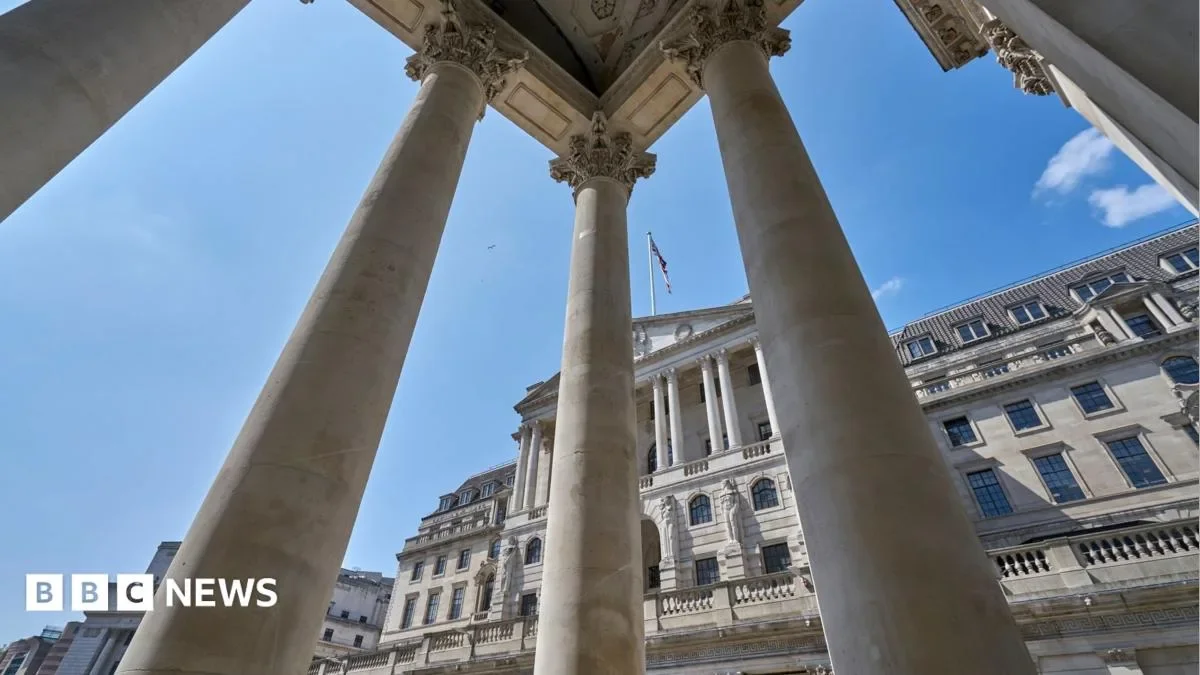
The Bank of England’s High-Stakes Balancing Act
The Bank of England is currently navigating one of its most complex economic periods in recent years. As policymakers gather to decide the next move for interest rates, the prevailing expectation is a 'hold' at current levels. This decision is driven by a sobering reality: inflation is not cooling as fast as hoped. Forecasts suggesting a further rise in the inflation rate by the end of the year have forced the Bank into a defensive posture. For the average consumer, this means the relief of lower mortgage rates and cheaper borrowing remains a distant prospect, as the central bank prioritizes price stability over immediate economic stimulus.
This 'tough choice' scenario highlights the divergence in global monetary policy. While some major economies have begun to pivot toward easing, the UK remains tethered to a hawkish stance to prevent an inflationary spiral. Analysts suggest that if the inflation data continues to surprise on the upside, we might even see another rate hike before 2026 concludes. This persistent high-rate environment is a double-edged sword; it supports the Pound Sterling’s value on the international stage but places immense pressure on domestic businesses and households already struggling with the cost of living.
Crypto Markets Defy Traditional Financial Gravity
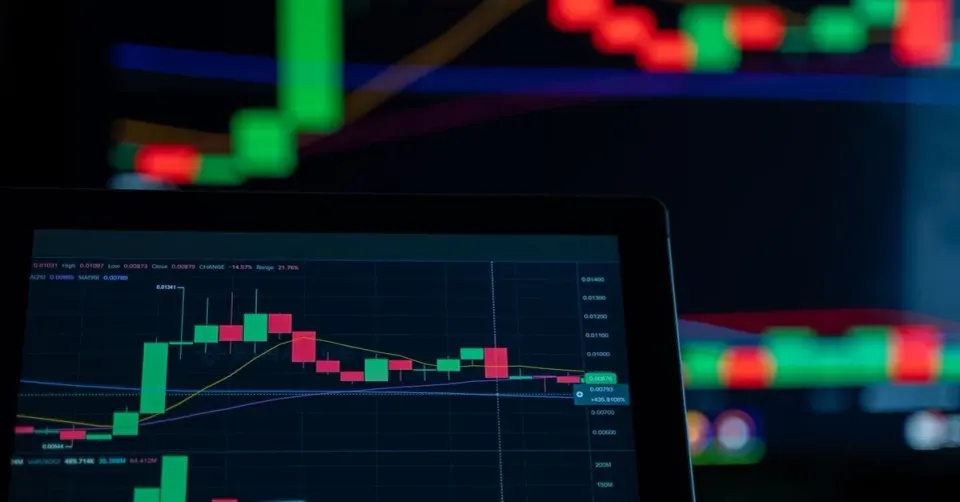
In a move that has surprised many traditional analysts, the cryptocurrency market has shown remarkable strength following the Federal Reserve's first interest rate hike since 2023. Bitcoin is currently trading at $76,397, maintaining its position above the critical $76,000 support level. Historically, rising interest rates in the United States strengthen the Dollar and pull capital away from 'risk-on' assets like crypto. However, the current market sentiment suggests that investors have already priced in the Fed’s tightening cycle, focusing instead on the long-term scarcity and institutional adoption of digital assets.
Adding to the momentum, Zcash (ZEC) has surged by 23%, driven by discussions from industry leaders like Paradigm’s Matt Huang regarding its role as a privacy-centric complement to Bitcoin. This rotation into privacy tokens and the general resilience of major assets like Ethereum, which sits at $2,438.17, indicate a maturing market that is no longer solely reactive to macroeconomic headlines. For Iranian investors, the stability of the USDT rate at 230,006 Toman provides a predictable entry point, even as the local USD sell rate saw a minor 0.2% decline to 230,200 Toman over the last 24 hours.
UK Policy Shifts and the Cost of Accountability
Beyond the financial markets, the United Kingdom is grappling with significant domestic policy debates that carry heavy social and fiscal implications. A cross-party group of peers in the House of Lords has called for a tobacco-style ban on gambling advertising, citing an 'explosion' of digital marketing that targets vulnerable populations. This proposal, detailed in a 173-page report, suggests that the government has been far too passive in regulating the sector. If enacted, such a ban would fundamentally reshape the revenue models of British sports and media, marking a major shift in how the state manages public health risks associated with digital entertainment.
Simultaneously, the Ministry of Defence has come under fire as new figures reveal that the inquiry into alleged SAS war crimes in Afghanistan has already cost taxpayers £58 million. Despite three and a half years of investigation, the inquiry has yet to publish any definitive findings, leading to criticism over the slow pace and high cost of military accountability. These developments, coupled with a public 'war of words' between the Royal Family and Earl Spencer over a new book about Princess Diana, paint a picture of a nation currently preoccupied with reconciling its past actions with its future policy directions.
Frequently Asked Questions
چرا بانک مرکزی انگلیس نرخ بهره را کاهش نمیدهد؟
واکنش بازار کریپتو به افزایش نرخ بهره فدرال رزرو چه بود؟
دلیل جهش ۲۳ درصدی زدکش (Zcash) چیست؟
Inflation Targeting: How Central Banks Aim to Control Prices
Inflation targeting is a monetary‑policy framework in which a central bank publicly announces a specific inflation rate (or a narrow range) that it intends to achieve over a medium‑term horizon. By anchoring expectations, the bank hopes to influence wage‑setting, price‑setting and investment decisions, thereby keeping actual inflation close to the target. The Bank of England, for example, has a 2 % Consumer Price Index (CPI) target, while the U.S. Federal Reserve aims for an average inflation of 2 % over time, allowing temporary overshoots to make up for past undershoots.
The mechanics of inflation targeting rely on the central bank’s primary tool: the policy interest rate. When inflation is above the target, the bank raises rates to cool demand; when it is below, it cuts rates to stimulate spending. However, the transmission of these rate changes can be uneven across economies and sectors, especially when alternative assets like Bitcoin or Zcash experience dramatic price swings. Cryptocurrencies are largely insulated from traditional monetary policy, yet their price movements can affect investor sentiment and capital flows, creating a secondary channel through which policy decisions reverberate.
In 2026, the Fed’s aggressive rate hikes to curb U.S. inflation have spilled over into the United Kingdom, pressuring the Bank of England to balance its own rate path against domestic concerns such as the UK gambling‑ad ban and the costly SAS war‑crimes inquiry. The dilemma illustrates a core challenge of inflation targeting: the need to respond to global shocks while maintaining credibility at home. If the public doubts the central bank’s commitment to its target, inflation expectations can become unanchored, leading to a self‑fulfilling spiral of higher prices.
For students of economics, understanding inflation targeting provides insight into why central banks act the way they do, how policy rates are set, and what limits exist when unconventional financial assets dominate headlines. It also highlights the importance of transparent communication and the delicate trade‑off between fighting inflation and supporting economic growth.