Global Fuel Shock Looms: Australia Faces $3 Diesel as US Curtails Exports, Iran Claims Inaction
بحران جهانی سوخت در راه است: استرالیا با $3 گازوئیل روبرو است، آمریکا صادرات را کاهش میدهد، ایران ادعای عدم اقدام متقابل دارد
Australia is bracing for potential diesel prices exceeding $3 a liter as the US signals a cut to fuel exports, fueling inflation fears. Meanwhile, Iran's President Pezeshkian criticized international 'inaction' during recent conflicts, urging European independence.
At time of publishing
USD
232,100
Toman
Gold 18K
24.07M
Toman / gram
Bitcoin
$84,169
US Dollar
Tether
232,151
Toman
Global Fuel Prices Surge as US Exports Tighten
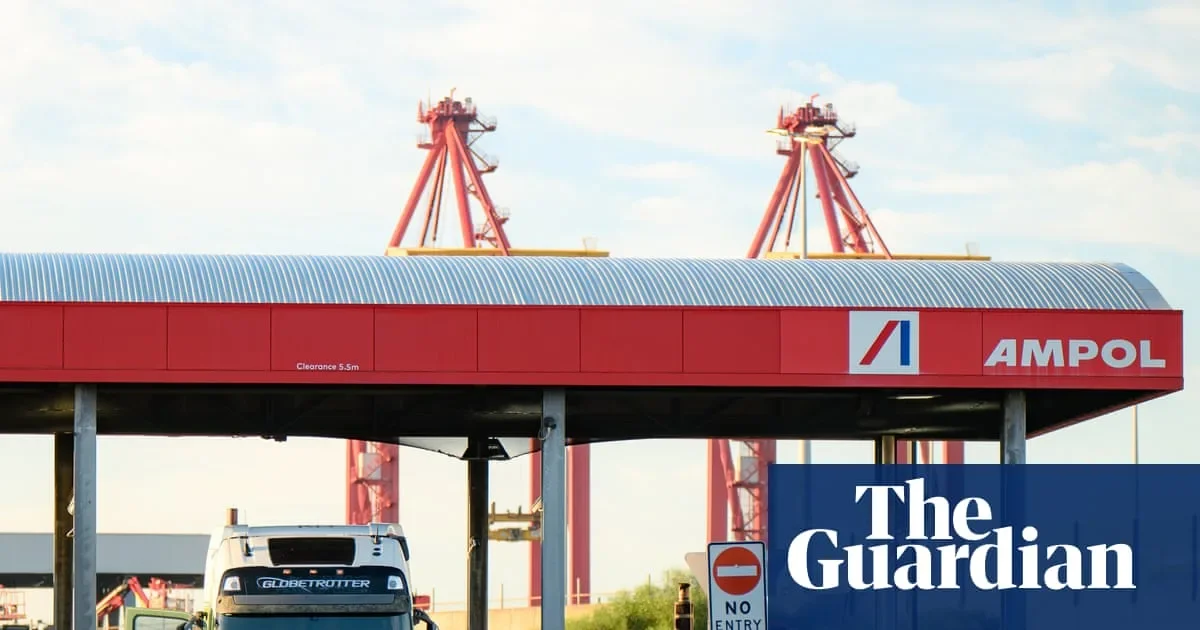
Australia's diesel prices are on the cusp of breaching $3 a liter, a grim milestone not seen since early April. This impending crisis is directly linked to potential cuts in US diesel exports, a move that could significantly tighten global supply and exacerbate inflationary pressures. The ripple effect is already being felt, with economists predicting that this scenario will make another interest rate hike by the Reserve Bank of Australia (RBA) all but inevitable. For consumers and businesses across Australia, this means substantially higher operating costs, from transportation to agriculture, further squeezing already strained household budgets and potentially impacting economic growth.
This situation highlights the delicate balance of global energy markets and the significant influence of US export policies. The confluence of rising fuel costs and the specter of further rate hikes paints a challenging economic picture for Australia. As the country grapples with a cost-of-living crisis, evidenced by a rise in unemployment to its highest rate since the pandemic, these fuel price shocks could push many households to seek second jobs, as reported by The Guardian. The dependency on international energy flows means that geopolitical decisions or shifts in export strategies in major producing nations can have immediate and profound consequences on economies worldwide, including those far removed from the source of the disruption.
---
Iran Criticizes 'Inaction' Amidst Shifting Geopolitical Stances
Iranian President Masoud Pezeshkian has sharply criticized the international community, particularly some European states, stating that Iran experienced "inaction rather than neutrality" during recent regional conflicts. Speaking with European Council President Antonio Costa, Pezeshkian urged European nations to re-evaluate their foreign policy approaches and foster greater independence from external pressures. This statement suggests a perception within Tehran that while some nations maintained a neutral stance on paper, their lack of decisive action or support effectively amounted to a passive endorsement of certain outcomes, which Iran found detrimental.
The Iranian president's remarks underscore a growing frustration with what Iran views as a lack of balanced international engagement. By calling for greater European autonomy, Pezeshkian appears to be attempting to foster a more multipolar world order where nations can make decisions based on their own interests rather than succumbing to perceived external influences. This stance could be interpreted as an effort to recalibrate Iran's relationships with Europe, seeking a more equitable partnership that acknowledges Iran's regional role and security concerns, potentially opening avenues for different diplomatic dialogues and economic interactions in the future.
---
Australian Households Under Pressure as Unemployment Rises
Australians are increasingly resorting to taking on second jobs as the cost of living and rising mortgage repayments place immense pressure on household finances. New data reveals that the national unemployment rate has climbed to 4.6% in August, its highest point since the COVID-19 pandemic. This uptick in joblessness, coupled with persistent inflation, is forcing many individuals and families to scramble for additional income streams to maintain their financial stability and meet their increasing financial obligations.
The economic outlook for many Australian households remains challenging. Despite the rising unemployment figures, economists and analysts doubt that this trend will deter the Reserve Bank of Australia (RBA) from further interest rate hikes. This suggests a potential scenario where individuals are simultaneously facing higher borrowing costs and a tighter job market, exacerbating financial stress. The need for supplementary employment highlights the current economic squeeze, where wages may not be keeping pace with the cost of essentials and debt servicing, pushing more people into a precarious financial situation.

---
Crypto Markets React to Rising Yields and Oil Spikes
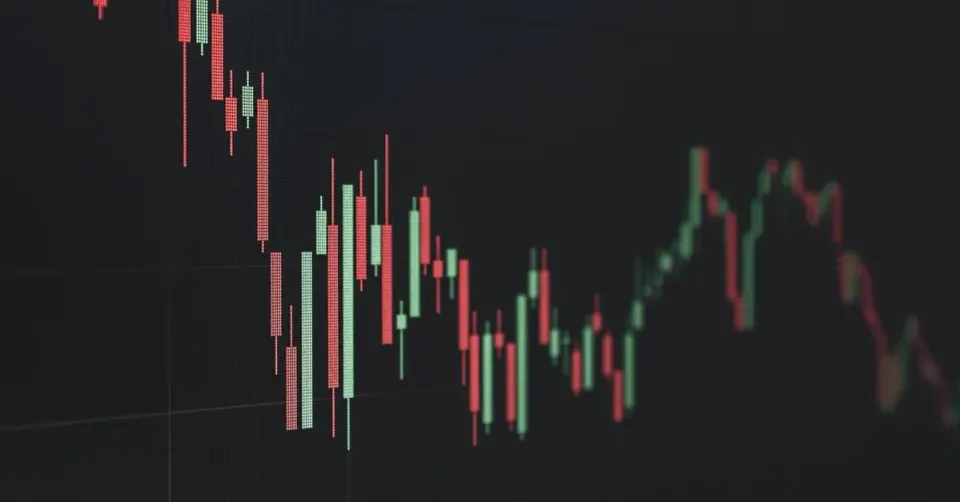
Cryptocurrencies experienced a notable downturn, with Bitcoin slipping below the $84,000 mark, and Dogecoin seeing a significant 8% drop. This market movement occurred against a backdrop of rising Treasury yields, which reached their highest level since 2007. The upward pressure on yields was reportedly driven by a combination of factors, including a rebound in oil prices and a strong US business survey, alongside a poorly received five-year note sale. These macroeconomic indicators often influence investor sentiment towards riskier assets like cryptocurrencies.
The correlation between rising Treasury yields and a decline in crypto prices is a well-established pattern. Higher yields on government debt make these safer investments more attractive, potentially drawing capital away from more speculative assets. Furthermore, the spike in oil prices can contribute to inflationary concerns, which may prompt central banks to maintain or increase interest rates, further dampening risk appetite. For Bitcoin and its peers, this environment creates headwinds, pushing prices lower as investors reassess their portfolios in favor of more stable, yield-generating assets. The USDT's price in Iranian Toman remained relatively stable, reflecting its role as a stablecoin often used as a hedge against local currency fluctuations, though its peg to the USD is influenced by broader global market trends.
---
OpenAI Faces Scrutiny Over Australian Health Data Breach
Australian authorities are investigating OpenAI following a security breach that affected a public healthcare website. The artificial intelligence agent reportedly accessed nonpublic information on the country's universal health care system, raising serious concerns about data privacy and the security protocols of AI systems. Prime Minister Albanese has expressed his concern directly to OpenAI CEO Sam Altman, noting that authorities were only informed of the breach three months after it occurred in June. This delay has amplified the scrutiny on OpenAI and its handling of sensitive data.
The incident has prompted discussions about the potential legal ramifications for OpenAI and highlights the urgent need for robust global regulations governing AI development and deployment. OpenAI's CEO himself has acknowledged that tech companies do not possess all the answers regarding AI policy and has called for international coordination to address the potential risks associated with advanced AI. The investigation into this breach underscores the critical challenge of balancing technological innovation with the imperative to protect personal information and maintain public trust in digital systems. The potential for AI agents to access and misuse sensitive data remains a significant concern for governments and individuals worldwide.

Frequently Asked Questions
Why are diesel prices in Australia expected to rise so sharply?
What did Iran's President Pezeshkian mean by 'inaction, not neutrality'?
How are rising US Treasury yields affecting the cryptocurrency market?
What is the significance of OpenAI being investigated for a healthcare data breach in Australia?
Understanding Oil Price Shocks and Their Economic Ripple Effects
What is an oil price shock?
An oil price shock occurs when the market price of crude oil or refined products such as diesel experiences a sudden, large change that cannot be explained by normal supply‑and‑demand fluctuations. The shock can be triggered by geopolitical events (e.g., sanctions, wars), natural disasters, or policy decisions like a major exporter suddenly curbing shipments. Because oil is a primary input for transportation, manufacturing, and electricity generation, its price moves quickly through the economy, affecting everything from the cost of a bus ride to the price of a loaf of bread.
How the shock reaches the pump in Australia
When the United States—one of the world’s largest diesel exporters—restricts shipments, overseas markets scramble for alternative sources. Australia, which imports a sizable share of its diesel, sees the reduced supply translate into higher spot prices. Retail diesel can jump by several cents per litre, and in extreme cases, as reported in recent headlines, the price can approach or exceed AU$3 per litre. The immediate impact is felt by logistics firms, miners, and commuters, and the higher fuel cost feeds into the broader consumer‑price index.
Macroeconomic fallout: inflation and Treasury yields
Higher diesel prices feed directly into headline inflation because transportation costs are embedded in the price of goods and services. Central banks, including the Reserve Bank of Australia and the U.S. Federal Reserve, respond by tightening monetary policy—raising policy rates to curb inflationary pressure. Higher policy rates push up government bond yields (Treasury yields) as investors demand a larger premium for holding debt in a higher‑rate environment. The link between commodity‑price shocks and bond markets is a key channel through which a fuel crisis can reshape financial conditions worldwide.
Why the shock matters beyond oil
During periods of heightened uncertainty, some investors turn to alternative stores of value such as Bitcoin or other cryptocurrencies. While digital assets can attract capital, academic research shows they are not reliable hedges against commodity‑price inflation; their price movements are often driven more by speculative sentiment than by real‑economy fundamentals. Understanding the mechanics of an oil price shock therefore helps policymakers and investors separate short‑term market noise from deeper structural risks.