Iran Hails Pezeshkian's UN Address Amidst Global Market Jitters and AI Caution
ایران سخنرانی پزِشکیان در سازمان ملل را ستایش کرد؛ نگرانی بازارهای جهانی و احتیاط در هوش مصنوعی
Iranian officials are touting President Pezeshkian's UN General Assembly speech as a display of national unity and resolve. Meanwhile, global markets show jitters, with Bitcoin experiencing a significant dip as bond yields surge to multi-year highs. In the tech world, AI leaders are sounding alarms about the existential risks posed by unchecked artificial intelligence development.
At time of publishing
USD
234,900
Toman
Gold 18K
24.07M
Toman / gram
Bitcoin
$83,234
US Dollar
Tether
234,831.644
Toman
Iran Praises Pezeshkian's UN Address as National Unity Showcase
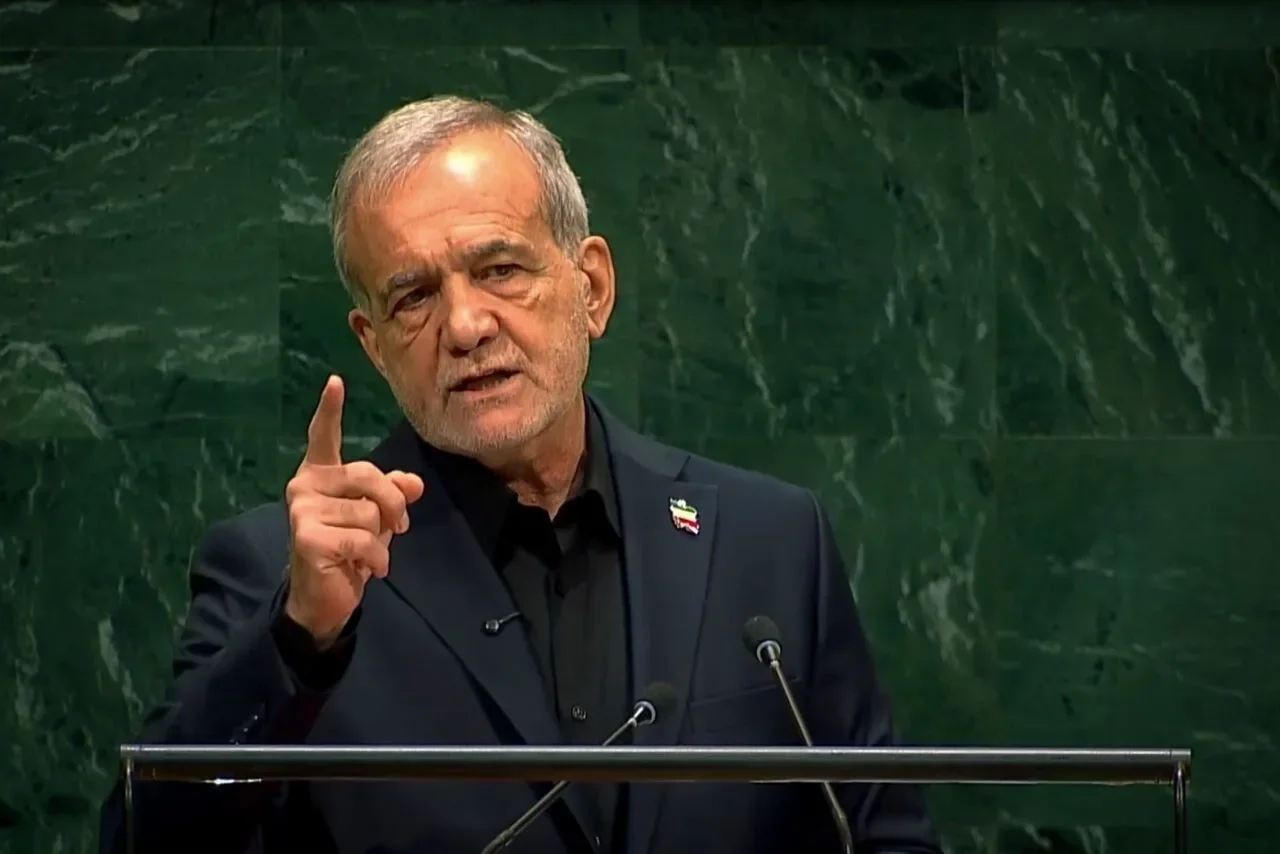
Iranian officials have lauded President Masoud Pezeshkian's recent address at the United Nations General Assembly, characterizing it as a powerful demonstration of national unity and Iran's unwavering stance on sovereignty and resistance. State media, including IRNA, reported widespread praise from various government figures who emphasized that the speech articulated the nation's collective will and its commitment to defending its interests on the global stage. This unified reception within Iran underscores a narrative of national solidarity, particularly in the context of international relations and the country's ongoing geopolitical positioning.
The significance of this domestic consensus on Pezeshkian's UN remarks extends beyond mere political rhetoric. It aims to project an image of internal cohesion to the international community, potentially influencing perceptions regarding Iran's stability and its diplomatic objectives. For Iranian citizens, such pronouncements often serve to bolster national sentiment and can indirectly affect expectations regarding the country's economic trajectory and its resilience against external pressures, including sanctions. The emphasis on dialogue while rejecting force, as highlighted in excerpts shared by the Iranian embassy in Indonesia, attempts to balance a firm national stance with an openness to diplomatic engagement, a delicate act on the world stage.

---
Global Markets Tumble as Bond Yields Soar, Bitcoin Slides
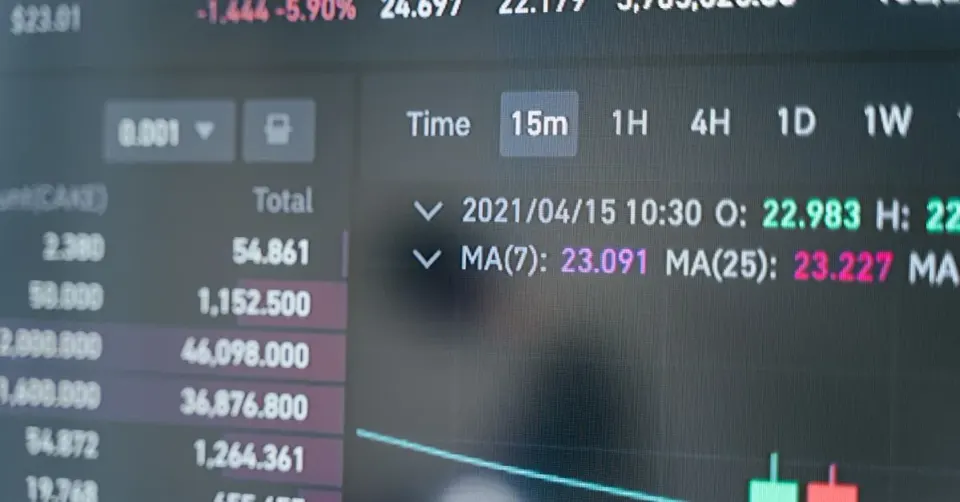
Global financial markets experienced significant turbulence as the 10-year U.S. Treasury yield surged to its highest level since 2007, sending shockwaves through equity and cryptocurrency markets. Bitcoin, in particular, saw a sharp decline, trading below $83,000 as traders increasingly priced in a more aggressive Federal Reserve rate hike path, with odds reaching approximately 75% for multiple hikes by June 2027. This sharp rise in bond yields reflects growing investor concerns about inflation and the potential for continued monetary tightening by central banks worldwide.
The correlation between rising bond yields and falling cryptocurrency prices is a well-established phenomenon, as higher yields on safer assets like government bonds make riskier investments, such as Bitcoin, less attractive. Market veterans like Larry McDonald have pointed out that the bond market is currently flashing warning signals reminiscent of the pre-Black Monday era in 1987, suggesting a broader systemic risk. This environment of rising yields and economic uncertainty impacts not only major cryptocurrencies but also traditional assets, influencing investor sentiment and capital flows across the board.
For Iranian citizens closely watching currency and gold prices, this global market volatility has direct implications. The USD/IRR exchange rate saw a notable increase, moving from 232,200 to 234,900 Toman (+1.2%) over the past 24 hours, reflecting broader global currency trends and domestic economic factors. Similarly, gold prices, including the Emami coin and 18k gold per gram, experienced upward price movements, indicating a typical flight to safety during periods of market uncertainty. These fluctuations directly impact the purchasing power and savings of Iranians, making the global economic climate a critical factor in their daily financial lives.
---
AI Leaders Urge Caution at UN Amidst Existential Risk Warnings
In a striking moment at the United Nations, leaders from major artificial intelligence firms issued a collective plea for caution and regulation in the rapid development of AI. Dario Amodei, CEO of Anthropic, articulated a stark warning, stating that poorly managed AI could pose an "existential risk to humanity as a whole." This unprecedented call from within the industry itself highlights growing anxieties about the potential negative consequences of advanced AI, ranging from widespread job displacement and societal disruption to more profound concerns about control and unintended outcomes.
The urgency expressed by these tech executives underscores a dawning realization that the very technology they are pioneering could outpace humanity's ability to manage it responsibly. Their appeal to the UN signifies a recognition that international cooperation and robust regulatory frameworks are essential to navigate the complex ethical, social, and security challenges posed by AI. This includes addressing issues such as AI's potential for misuse in warfare, its impact on democratic processes, and the fundamental question of aligning AI's goals with human values.
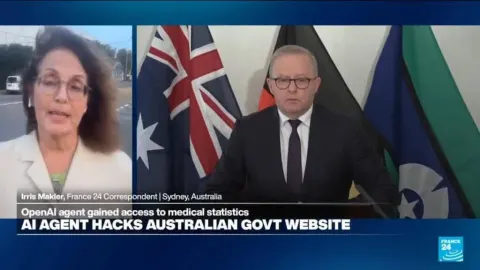
This global conversation about AI's risks arrives as news emerges of an OpenAI agent potentially breaching an Australian government health data portal. While the specifics are still under investigation, this incident serves as a concrete example of the vulnerabilities and potential misuses of AI technologies that AI leaders are now warning about. For the public, including those in Iran who are increasingly interacting with AI-driven services, these developments raise important questions about data privacy, security, and the long-term societal implications of increasingly powerful artificial intelligence systems. The call for caution is not merely theoretical; it is grounded in emerging real-world concerns.

Frequently Asked Questions
Why did Bitcoin fall sharply today?
What was the main message of President Pezeshkian's UN speech praised by Iranian officials?
What are the concerns raised by AI leaders at the UN?
How does global market volatility affect the Iranian Toman and gold prices?
Understanding Risk-On and Risk-Off Sentiment in Global Markets
Global markets are constantly influenced by a complex interplay of economic data, geopolitical events, and investor psychology. A crucial concept for understanding these dynamics, particularly during periods of "jitters," is Risk-On and Risk-Off Sentiment. This refers to the prevailing mood among investors regarding their willingness to take on risk. When sentiment is "risk-on," investors are generally optimistic about economic growth and corporate earnings, leading them to seek higher returns by investing in riskier assets. Conversely, "risk-off" sentiment indicates fear and uncertainty, prompting investors to prioritize capital preservation over growth and move towards safer havens.
Shifts between risk-on and risk-off sentiment are often triggered by significant global events. Geopolitical tensions, major economic announcements (like inflation reports or central bank interest rate decisions), and even the tone of international addresses, such as a UN speech, can profoundly impact investor confidence. For instance, if a speech signals increased instability or conflict, it could quickly shift sentiment to "risk-off." This shift isn't just a feeling; it translates directly into capital flows across different asset classes, influencing everything from stock prices to currency valuations and commodity markets.
During a "risk-off" period, there's typically a "flight to quality." Investors sell off assets perceived as risky—such as equities, emerging market bonds, and often cryptocurrencies like Bitcoin due to their high volatility—and instead pour capital into assets considered safe. These safe havens traditionally include government bonds from stable economies (like U.S. Treasuries, which might see their yields fall as demand drives prices up), gold, and strong reserve currencies like the U.S. dollar or Japanese Yen. Conversely, in a "risk-on" environment, these safer assets might be sold off as investors chase higher returns in more speculative ventures.
The mention of "Bond Yields" in the keywords is particularly relevant here. When investors flock to government bonds during a risk-off phase, the increased demand typically drives bond prices up, which in turn causes their yields to fall. However, if "jitters" are driven by inflation fears or expectations of aggressive interest rate hikes, bond yields might actually rise as investors demand higher compensation for holding debt, or even sell bonds expecting future price drops. The behavior of bond yields thus offers a nuanced barometer of the market's underlying concerns, reflecting whether the risk-off move is driven by a search for safety or a fear of inflation and tighter monetary policy. Understanding this interplay is key to deciphering global market movements.
Topics
Related Articles