Araghchi Slams US 'Cover-Up' as Hormuz Tanker Traffic Hits Two-Month Low Amid Regional Surge
حمله تند عراقچی به پنهانکاری آمریکا همزمان با سقوط ترافیک نفتکشها در تنگه هرمز
Iran's Foreign Minister accuses the US of concealing military damages while shipping traffic in the Strait of Hormuz plunges 27% following a spike in regional attacks. Meanwhile, a diplomatic rift between the UK and Israel deepens as diplomats are ordered out of East Jerusalem.
At time of publishing
USD
266,600
Toman
Gold 18K
26.23M
Toman / gram
Bitcoin
$83,102
US Dollar
Tether
265,009
Toman
Araghchi Challenges US Narrative on Military Losses
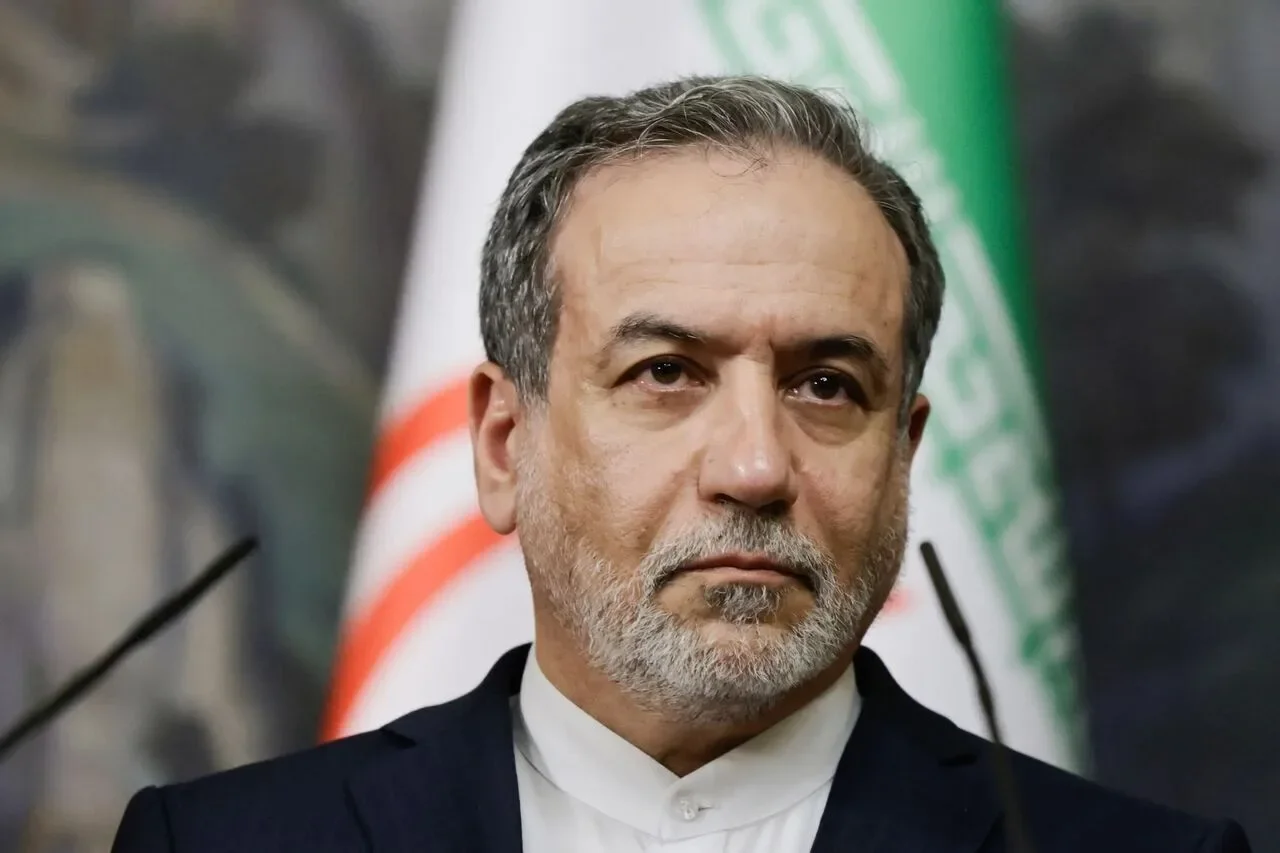
In a sharp rhetorical escalation on Thursday, October 8, 2026, Iranian Foreign Minister Abbas Araghchi publicly challenged the United States' account of its military readiness and regional damages. Citing a recent report from the US Congressional Research Service, Araghchi accused CENTCOM of systematically concealing the true extent of damages sustained by American military aircraft during recent engagements. The Foreign Minister’s remarks, punctuated by the proverb "you can fool people some of the time," suggest a deepening information war between Tehran and Washington, even as both sides navigate a highly volatile regional security landscape.
This move by Araghchi is not merely a diplomatic jab; it serves as a domestic signal of confidence. By highlighting alleged discrepancies in US reporting, the Iranian leadership seeks to project a narrative of resilience against Western military pressure. For the average Iranian reader, this rhetoric often precedes shifts in the diplomatic atmosphere that can impact currency sentiment. While the US has yet to issue a direct rebuttal to these specific claims, the timing suggests that Tehran is leveraging official US documents to undermine the perceived invincibility of American assets in the Persian Gulf.
Hormuz Shipping Traffic Plunges Amid Surging Risks
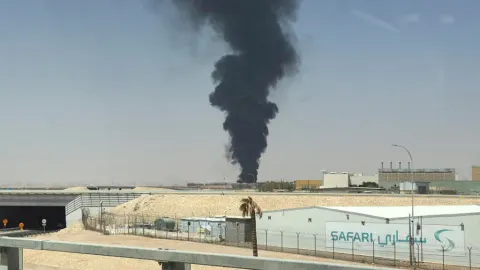
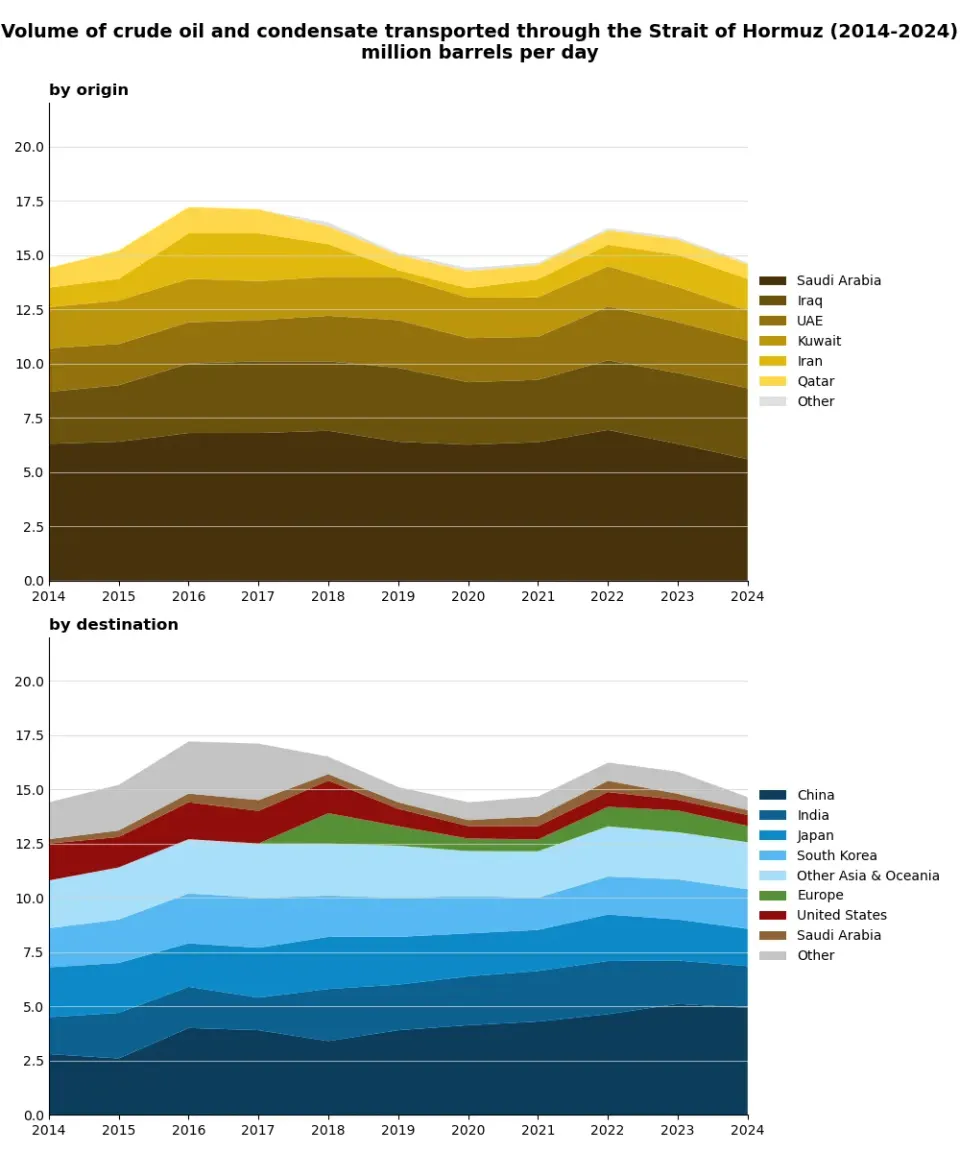
New data from maritime tracking firm Kpler indicates a significant disruption in global energy flows. The number of tankers traversing the Strait of Hormuz has hit a two-month low, with crude oil volume crossing the waterway falling 27% from its recent wartime high. On Tuesday alone, only seven commodity carriers were recorded passing through the strait, bringing the daily flow down to approximately 10.1 million barrels. This sharp decline follows a series of renewed attacks on vessels, which have forced shipping companies to reconsider the safety of the world's most critical oil chokepoint.
This contraction in traffic is a direct consequence of the heightened security premiums and the physical risks posed to crews and cargo. While oil flows had briefly returned to pre-war levels earlier this month, the current volatility suggests that the recovery was fragile. For global markets, this reduction in supply capacity creates upward pressure on energy prices, though the immediate impact has been partially offset by broader economic concerns in the West. For Iran, any prolonged disruption in the Strait is a double-edged sword, affecting its own export logistics while simultaneously increasing its geopolitical leverage over global energy security.
Diplomatic Rupture: UK Diplomats Ordered Out of Jerusalem
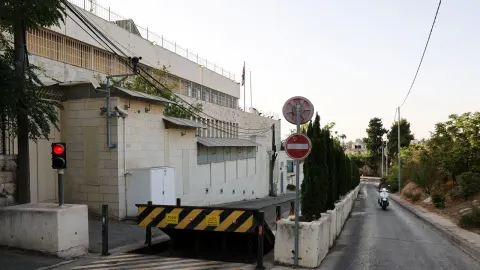
Geopolitical tensions have shifted toward the diplomatic arena as Israel announced that most British diplomats must leave the consulate in East Jerusalem. This move is a direct retaliatory response to UK-imposed sanctions on illegal Israeli settlements in the West Bank. While UK Foreign Secretary David Miliband insisted that "vital services" would remain, the forced departure of staff marks one of the most significant fractures in UK-Israel relations in recent years. The Israeli government’s stance underscores a growing intolerance for Western pressure regarding its policies in the Palestinian territories.
This diplomatic spat is occurring alongside broader international condemnation. At the UN General Assembly’s Sixth Committee, Iranian representatives have intensified calls for Israel to be held accountable for what they describe as war crimes and genocide. The convergence of Western diplomatic friction and increased legal pressure at the UN suggests that the conflict is entering a phase of institutional confrontation. For regional observers, this indicates that the traditional alliances that have stabilized the Middle East for decades are under unprecedented strain, potentially leading to a more fragmented and unpredictable regional order.
Local Market Sentiment: Toman Edges Lower as Gold Holds
In the Tehran markets on پنجشنبه ۱۶ مهر ۱۴۰۵, the US Dollar saw a marginal increase in value, reflecting the persistent regional anxiety. The USD sell rate moved from 265,900 to 266,600 Toman, a 0.3% rise over the last 24 hours. This slight uptick in the greenback suggests that despite the high-level rhetoric from the Foreign Ministry, the market remains in a "wait-and-see" mode, sensitive to every headline regarding the Strait of Hormuz and diplomatic breakdowns. Meanwhile, Bitcoin continues to cling to the $83,102 level, struggling to find a clear direction as rising global yields compete with crypto’s appeal as a risk asset.
In the precious metals sector, the local price of 18k gold saw a minor correction, moving from 26,286,993 to 26,231,589 Toman per gram, a decrease of 0.2%. Despite this slight daily dip, the global price of gold remains historically elevated at $4,121.10 per ounce, acting as a primary hedge for Iranian investors against long-term currency devaluation. The stability of the Emami coin at 268,500,000 Toman suggests that retail demand for physical gold remains robust, even as the broader economy grapples with the logistical challenges of the current regional standoff.
Frequently Asked Questions
چرا ترافیک نفتکشها در تنگه هرمز کاهش یافته است؟
واکنش بازار ارز تهران به تنشهای اخیر چه بود؟
علت اخراج دیپلماتهای بریتانیایی توسط اسرائیل چیست؟
The Strategic Significance of the Strait of Hormuz
The Strait of Hormuz, a narrow waterway between Iran and the United Arab Emirates, is one of the world’s most critical maritime chokepoints. At its narrowest point it is only about 21 nautical miles (39 km) wide, forcing large oil tankers to navigate a tight corridor under the watchful eyes of regional navies. Because it connects the Persian Gulf—home to the bulk of the world’s proven oil reserves—to the open ocean, any disruption here instantly reverberates through global energy markets.
Despite its modest size, the strait handles roughly 20% of the world’s petroleum liquids, including crude oil and refined products. In 2023, an estimated 18‑19 million barrels per day passed through the passage, according to the International Energy Agency. This concentration means that even minor fluctuations in traffic can move oil prices by several dollars per barrel, as traders price in the risk of a sudden bottleneck.
The strategic importance of Hormuz has made it a flashpoint for geopolitical tension. Iran has threatened to close the strait during periods of heightened conflict, while the United States and its allies conduct regular naval patrols to ensure freedom of navigation. Notable incidents—such as the 2019 seizure of the oil tanker Kokuka and the 2020 attacks on commercial vessels—demonstrate how quickly the waterway can become a theater of confrontation.
When tanker traffic drops, as it did in the recent two‑month low reported by Reuters, markets interpret the decline in two ways: either as a sign of reduced Iranian oil exports or as a prelude to a deliberate throttling of flow for political leverage. Lower traffic can depress spot oil prices, but it also fuels speculation about supply security, prompting buyers to hedge with alternatives like the Suez Canal route or even non‑oil energy assets.
Because the strait sits at the intersection of energy economics and regional security, governments and analysts monitor it closely. Satellite imagery, AIS ship‑tracking data, and open‑source intelligence are combined to produce near‑real‑time assessments. Claims of a “U.S. cover‑up” often arise from the opacity of military operations in the area, underscoring how information—and misinformation—can shape perceptions of this vital chokepoint.