USS Lincoln Returns, Oil Surges Amid Middle East Tensions, Iran Airport Resumes Flights
ناو لینکلن بازمیگردد، نفت در بحبوحه تنشهای خاورمیانه اوج میگیرد، فرودگاه ایران از سر گرفته شد
The USS Lincoln carrier is set to return to port after a record deployment, coinciding with a sharp rise in oil prices due to escalating Middle East tensions. Meanwhile, Imam Khomeini International Airport has resumed foreign flights after a 40-day hiatus, signaling a cautious return to normalcy.
At time of publishing
USD
268,000
Toman
Gold 18K
26.39M
Toman / gram
Bitcoin
$82,752
US Dollar
Tether
267,801
Toman
USS Lincoln Docks Amid Record Deployment, Political Scrutiny
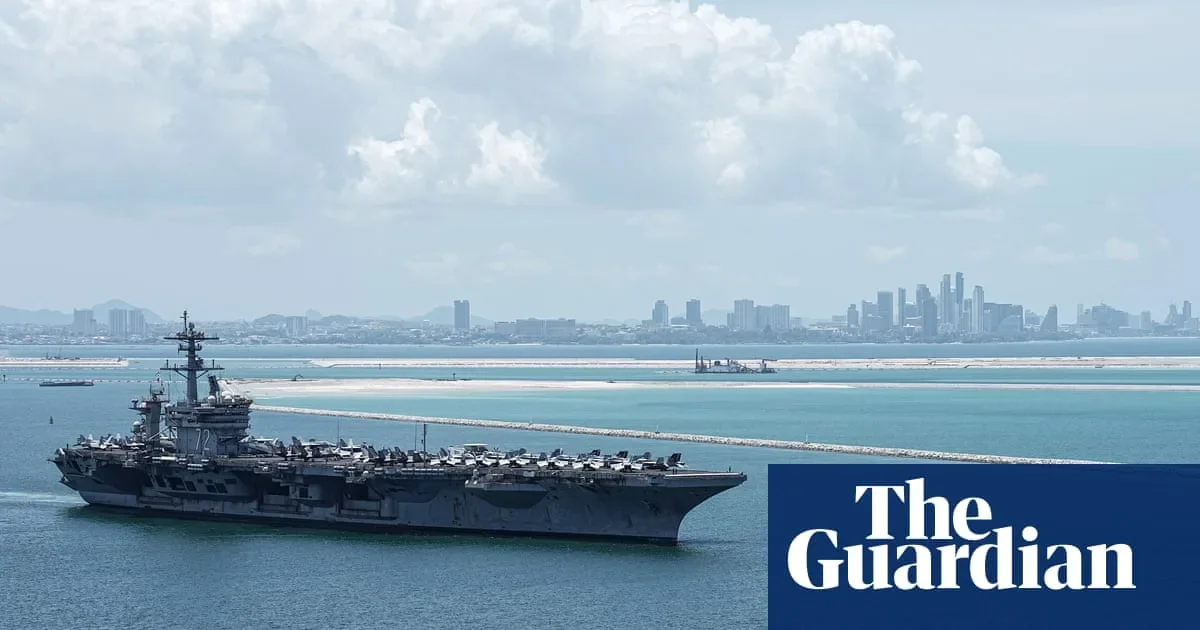
The USS Abraham Lincoln carrier is scheduled to return to its home port in San Diego today, concluding an exceptionally long and arduous deployment. This mission, which saw the vessel at sea for over 260 consecutive days, has been marked by repeated extensions and reports of significant strain on its crew. Issues such as supply shortages, deteriorating morale, and mental health concerns among sailors were highlighted during its extended operational period, which notably involved supporting US military operations against Iran. The deployment's length and the challenges faced have drawn scrutiny, particularly as it occurred during a period of heightened geopolitical activity in the Middle East and amid domestic political pressures.
The return of the Lincoln brings to a close a chapter defined by endurance and operational intensity. The US Navy has described it as one of the most consequential deployments of the modern era. However, the circumstances surrounding its conclusion, including reports of crew hardship and political commentary from figures like Donald Trump, suggest that the operational and human costs of such prolonged missions will likely be a subject of ongoing discussion. The vessel's return to port is not just a logistical event but also a moment to reflect on the demands placed upon military personnel and the strategic implications of extended naval presence in volatile regions.
---
Oil Prices Surge on Middle East Tensions and Hurricane Threat
Global oil prices experienced a significant uptick today, with Brent crude rising 3.8% to $104 a barrel. This surge is primarily attributed to escalating tensions in the Middle East, a region critical for global oil supply, and the looming threat of a hurricane impacting production off the US coast. The combination of these geopolitical and weather-related factors has created a potent mix of supply concerns, driving up market prices and contributing to a broader sell-off in global bond and stock markets as investors react to increased uncertainty and potential inflationary pressures.
These rising energy costs have immediate implications for the global economy. For countries heavily reliant on oil imports, such as India, where inflation is now projected to hit 5.4% in September due to soaring energy and food prices, the impact is particularly acute. The spillover effect from energy costs into other sectors of the Consumer Price Index (CPI) is becoming more evident, suggesting that these higher prices are not just a transient blip but a more persistent economic challenge. This inflationary pressure can dampen consumer spending and complicate monetary policy decisions for central banks worldwide.
---
Imam Khomeini Airport Resumes Foreign Flights, Easing Travel Disruptions
Imam Khomeini International Airport (IKA) in Tehran has resumed its foreign flight operations today, marking a significant step towards restoring international air traffic after a 40-day interruption. The resumption began with Iraqi Airways operating its first direct service between Najaf and Tehran. This development is a welcome relief for travelers and businesses affected by the prolonged halt in international connectivity, which had disrupted personal travel, trade, and diplomatic exchanges.
The re-establishment of foreign flight services at IKA is a positive signal for Iran's economic and diplomatic engagement with the outside world. While the restoration is described as gradual, the return of carriers like Iraqi Airways suggests a stabilization of conditions that led to the initial suspension. For readers in Iran, this means a potential easing of travel complexities and a renewed avenue for international commerce and personal connections, which can indirectly influence currency expectations and market confidence.
---
Nuclear Renaissance Fueled by AI: A Market Opportunity
Analysts are observing a burgeoning 'nuclear renaissance,' with significant potential for companies in the nuclear energy sector. This resurgence is reportedly being amplified by AI-driven demand, suggesting that advancements in artificial intelligence are not only transforming digital landscapes but also influencing traditional heavy industries like energy production. As the world seeks cleaner and more stable energy sources, nuclear power is re-emerging as a viable option, and the integration of AI is expected to enhance efficiency, safety, and operational capabilities within the industry.
This trend presents a compelling investment opportunity, with certain companies positioned to be major beneficiaries. The market's focus is shifting towards identifying those firms that can effectively leverage AI technologies to optimize nuclear operations and capitalize on the growing demand for nuclear energy. This intersection of AI and nuclear power signifies a technological leap that could reshape the energy sector, offering a glimpse into a future where advanced computing plays a crucial role in securing global energy needs. The implications for energy markets and related stock performance are substantial, indicating a potential shift in investment portfolios towards these specialized companies.
---
China Expands Military Footprint in Laos
China is reportedly expanding its military reach by establishing a new base in Laos, specifically in Ban Keun. While the current runway at this facility is primarily used by smaller jets, neighboring countries are closely monitoring the situation for any signs of expansion that could accommodate larger military aircraft. This strategic move by Beijing underscores China's increasing assertiveness in Southeast Asia and its efforts to bolster its military presence and influence in the region.
The development is significant in the context of regional geopolitics and security dynamics. The establishment of a military base in Laos, a landlocked country with strategic proximity to key trade routes and other regional powers, could alter the balance of power. The wary observation by neighboring nations highlights concerns about potential shifts in regional military capabilities and China's long-term strategic objectives. This expansion could lead to increased diplomatic maneuvering and security dialogues as countries in the region assess the implications for their own national security and regional stability.
Frequently Asked Questions
Why did the USS Lincoln's deployment last so long?
What is causing the current rise in oil prices?
What does the resumption of foreign flights at Imam Khomeini Airport signify?
How is AI influencing the nuclear energy sector?
What are the implications of China's new base in Laos?
Understanding the Geopolitical Risk Premium in Oil Prices
When headlines speak of naval movements like the USS Lincoln's return, coupled with "Middle East Tensions" and "Oil Surges," they are illustrating a fundamental economic concept: the Geopolitical Risk Premium in oil prices. This premium refers to the extra cost added to the price of crude oil due beyond the basic supply and demand dynamics, purely due to the perceived or actual political instability, conflicts, or military actions in major oil-producing regions or along critical transit routes. It's essentially an insurance policy priced into the market against potential supply disruptions.
The Middle East, with its vast oil reserves and strategic chokepoints like the Strait of Hormuz, is particularly susceptible to generating this premium. Any event, from a diplomatic spat to military posturing, that suggests a potential threat to oil production or its safe passage, can trigger a rapid increase in prices. Traders and investors, anticipating future supply disruptions or increased demand for strategic reserves, factor this uncertainty into their pricing models, driving up the cost of oil even before any actual supply shortage occurs. This speculative element, driven by fear and uncertainty, significantly contributes to the premium.
The real-world impact of a geopolitical risk premium is far-reaching. Higher oil prices translate into increased costs for transportation, manufacturing, and ultimately, for consumers at the pump and in the form of higher prices for goods. This can fuel inflation, dampen economic growth, and create instability in global markets. The surge in oil prices mentioned in the headline, against the backdrop of Middle East tensions, is a direct manifestation of this premium, highlighting how geopolitical events, even without direct attacks on oil infrastructure, can reverberate through the global economy.
Topics
Related Articles