
Florida Judge Advances Lawsuit Against Shah-Era Official as Toman Hits 268k Amid Hormuz Warnings
حکم دادگاه فلوریدا علیه مقام سابق ساواک؛ صعود دلار به ۲۶۸ هزار تومان همزمان با هشدارهای امنیتی در هرمز
A federal judge in Florida has cleared the way for a human rights lawsuit against Parviz Sabeti, the former SAVAK official, while the US government moves $1 billion in seized Bitcoin. In Tehran, the Toman has climbed to 268,100 as the IRGC warns that security in the Strait of Hormuz remains a non-negotiable red line.
At time of publishing
USD
268,100
Toman
Gold 18K
26.27M
Toman / gram
Bitcoin
$81,223
US Dollar
Tether
268,019
Toman
Florida Court Clears Path for Trial of Former SAVAK Official
A federal judge in Florida has rejected a motion to dismiss a lawsuit against Parviz Sabeti, the former high-ranking official of Iran’s pre-revolutionary intelligence agency, SAVAK. Sabeti, who served as the head of the agency's Third Department, is accused of overseeing the systematic torture and human rights abuses of political prisoners during the reign of the Shah. The lawsuit, brought forward by three former prisoners, had been stalled by Sabeti’s legal team, who argued for a stay of proceedings. However, the judge’s decision now allows the discovery phase to move forward, marking a significant milestone for those seeking accountability for decades-old grievances.
The case gained momentum after Sabeti’s whereabouts were confirmed in 2023 when a photograph of him attending an anti-government protest in Florida surfaced on social media. For years, Sabeti had lived in relative obscurity in a quiet, upscale Florida community. The plaintiffs claim that they only discovered his location through this public appearance, which directly led to the current legal challenge. While Sabeti has denied all allegations of directing torture, the court's willingness to proceed suggests that the legal principle of 'command responsibility' will be a central theme in the upcoming trial, potentially setting a precedent for other historical human rights cases.

US Government Moves $1 Billion in Seized Bitcoin
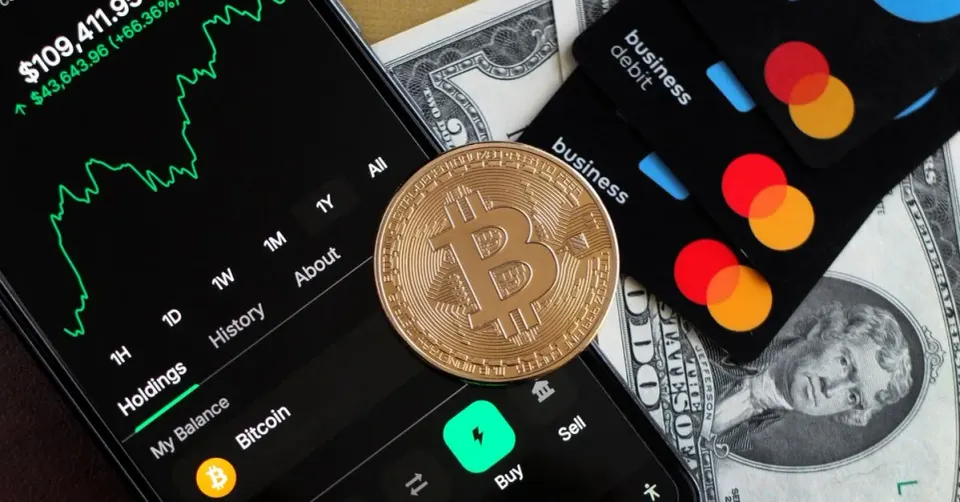
On-chain data revealed today that the United States government has moved approximately 12,267 Bitcoin, valued at over $1 billion, from wallets associated with the 2016 Bitfinex hack. According to blockchain analytics firm Arkham, the funds were transferred to unlabeled wallets rather than known cryptocurrency exchanges. This massive movement comes just 24 hours after a separate transfer of $383 million was sent to Coinbase Prime. While such large-scale movements often trigger panic selling, the market has remained relatively stable, as there is currently no evidence that the government intends to sell these assets immediately on the open market.
Bitcoin is currently trading near $81,223, hovering near a three-week low as it faces dual pressure from institutional movements and rising geopolitical risks in the Middle East. Analysts at QCP Capital suggest that despite the government's activity, Bitcoin is expected to maintain a trading range between $80,000 and $90,000 for the remainder of the fourth quarter. The primary concern for investors remains the potential for a 'supply overhang' if the US Marshals Service decides to liquidate these seized assets to replenish federal coffers, a move that could temporarily suppress prices even as institutional adoption continues to grow.
Hormuz Security and the Toman’s Upward Climb
In Tehran, the economic atmosphere remains tense as the Iranian Toman experienced a 0.8% depreciation over the last 24 hours. The USD sell rate moved from 265,900 to 268,100 Toman, reflecting persistent anxiety over regional security and potential military escalations. This currency pressure coincided with a stern warning from the commander-in-chief of the Islamic Revolution Guards Corps (IRGC), who declared that the security of the Persian Gulf and the Strait of Hormuz is a "red line" for the Islamic Republic. The commander emphasized that no extra-regional powers would be permitted to interfere with the strategic waterway, which remains the world's most vital energy transit point.
The rhetoric from the IRGC is viewed by market participants as a signal of high-readiness amid reports of possible confrontations between US and Iranian forces. This geopolitical friction has pushed oil prices higher and simultaneously weakened the Toman as local demand for safe-haven assets like the US Dollar and gold increases. While the price of 18k gold saw a marginal decline of 0.1% to 26,270,834 Toman per gram, the Emami coin rose by 0.6% to reach 270,000,000 Toman. For ordinary Iranians, these fluctuations translate into rising costs for imported goods and a continued erosion of purchasing power, as the market remains highly sensitive to every diplomatic or military development in the region.
Legal Setback for Prince Andrew in London
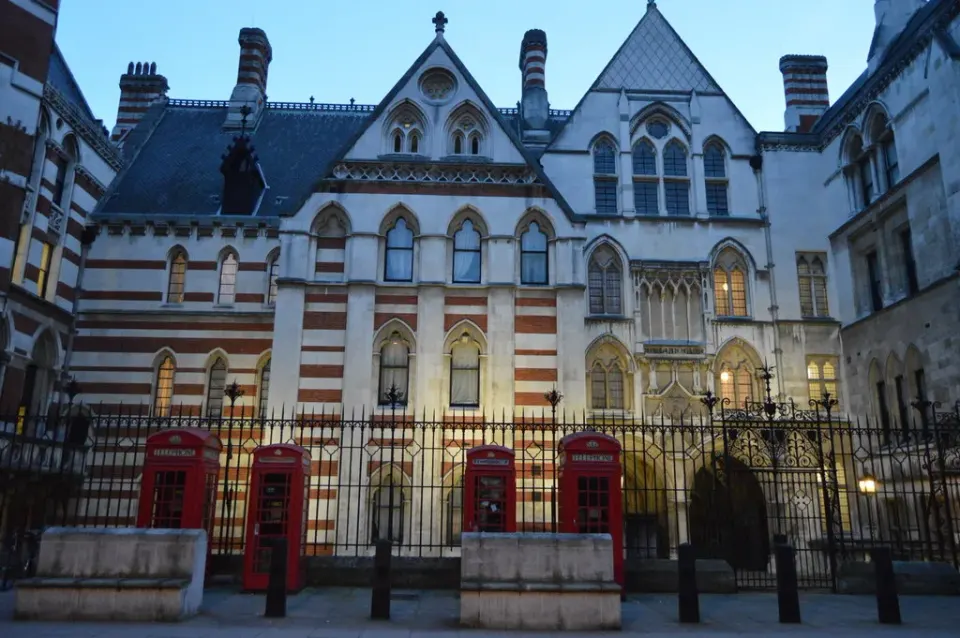
A London court has ruled that warrants used to search the properties of Andrew Mountbatten-Windsor, the former prince, were obtained unlawfully. The judge cited a "significant error" in the legal process used to authorize the searches, which were part of an ongoing criminal investigation. Despite this procedural victory for Mountbatten-Windsor’s legal team, the court clarified that the police are permitted to retain the material seized during those searches while the investigation continues. This ruling highlights the complexities of high-profile legal battles where procedural technicalities can overshadow the underlying allegations.
This development comes at a time when the former royal is attempting to regain some semblance of public standing following years of legal and social exile. The ruling provides a temporary reprieve, but the fact that the criminal investigation remains active suggests that his legal troubles are far from over. For the public, the case serves as a reminder of the scrutiny faced by public figures and the rigorous standards required for law enforcement to execute searches on private property. As the investigation moves forward, the focus will likely shift to whether the material seized—now deemed to have been taken under a faulty warrant—can still be used as admissible evidence in a potential trial.
Frequently Asked Questions
Why is Parviz Sabeti being sued in Florida?
How did the US government acquire $1 billion in Bitcoin?
What is the significance of the 268,100 Toman exchange rate?
Understanding Currency Depreciation: The Case of the Iranian Toman
The news headline highlights the dramatic depreciation of the Iranian Toman against the US Dollar, reaching 268,000 Toman per USD. This phenomenon, known as currency depreciation, occurs when a country's currency loses value relative to one or more foreign currencies. For the average citizen, this means their purchasing power diminishes significantly, making imported goods more expensive and eroding the value of their savings. It's a critical indicator of a nation's economic health, reflecting underlying pressures and policies.
Several factors typically drive such severe currency depreciation. In Iran's case, a confluence of issues is at play. International sanctions severely restrict the country's access to global markets and foreign currency reserves, limiting its ability to earn hard currency through oil exports and other trade. High domestic inflation, fueled by government fiscal policies and a lack of productive investment, further erodes confidence in the local currency. Geopolitical tensions, such as the "Hormuz Warnings" mentioned in the headline, also contribute by increasing perceived risk, deterring foreign investment, and potentially disrupting crucial trade routes.
The consequences of rapid currency depreciation are profound and widespread. Citizens experience a sharp increase in the cost of living as prices for essential goods, many of which are imported or rely on imported components, skyrocket. This leads to a decline in living standards and can trigger social discontent. Businesses face higher import costs for raw materials and machinery, making production more expensive and less competitive. To protect their wealth, individuals often seek refuge in stable assets like gold, as indicated by the "Iran gold price" keyword, or foreign currencies, which can further accelerate the local currency's decline.
Ultimately, understanding currency depreciation is key to grasping the economic challenges faced by countries like Iran. It's not merely an abstract financial figure but a direct reflection of a complex interplay of economic policies, geopolitical realities, and market forces that profoundly impact the daily lives and long-term prospects of millions.
Topics
Related Articles