Green Party MP Warns of 'Extremist Capture' as Trump’s Russian Diesel Deal Shakes Global Alliances
هشدار نماینده پارلمان بریتانیا درباره نفوذ افراطگرایان؛ توافق دیزلی ترامپ با روسیه جنجالآفرین شد
Ellie Chowns warns of a radical shift in the Green Party following a controversial Zionism vote, while Donald Trump’s decision to purchase Russian diesel triggers a diplomatic crisis. In Tehran, the US Dollar saw a slight 0.5% decline as markets digest shifting global energy policies.
At time of publishing
USD
266,000
Toman
Gold 18K
26.52M
Toman / gram
Bitcoin
$82,742
US Dollar
Tether
265,553
Toman
Green Party Faces Identity Crisis Over 'Extremist' Influence
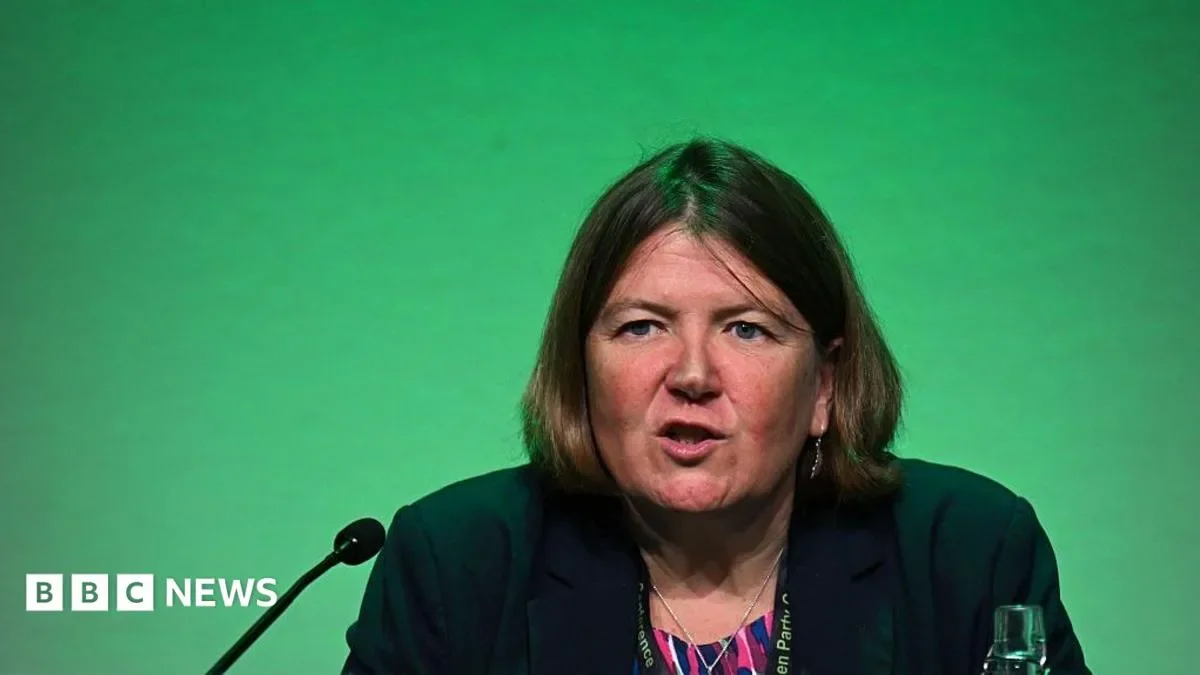
Ellie Chowns, a prominent Green Party MP, has issued a stark warning regarding the future of the party, stating it must avoid being “captured by extremists and racists.” This internal friction follows a controversial vote at the party’s annual conference, where members narrowly passed a motion labeling Zionism as a form of racism. Chowns pointed out that the decision was made by just over 1,000 members, representing a mere 0.4% of the total membership, suggesting that the party's democratic processes are currently vulnerable to being hijacked by fringe factions.
This development matters because the Green Party has recently seen its political influence grow in the UK. However, the fallout from the "Zionism is racism" vote has created a "political maelstrom," as described by party leadership. Former leader Caroline Lucas also voiced concerns, suggesting that some individuals may have joined the party specifically to push this radical agenda. For voters and observers, this signals a deep-seated struggle for the soul of the party: whether it will remain a mainstream environmentalist force or drift toward ideological radicalism that could alienate its broader base.

Trump’s Russian Diesel Deal Ignites Diplomatic Firestorm
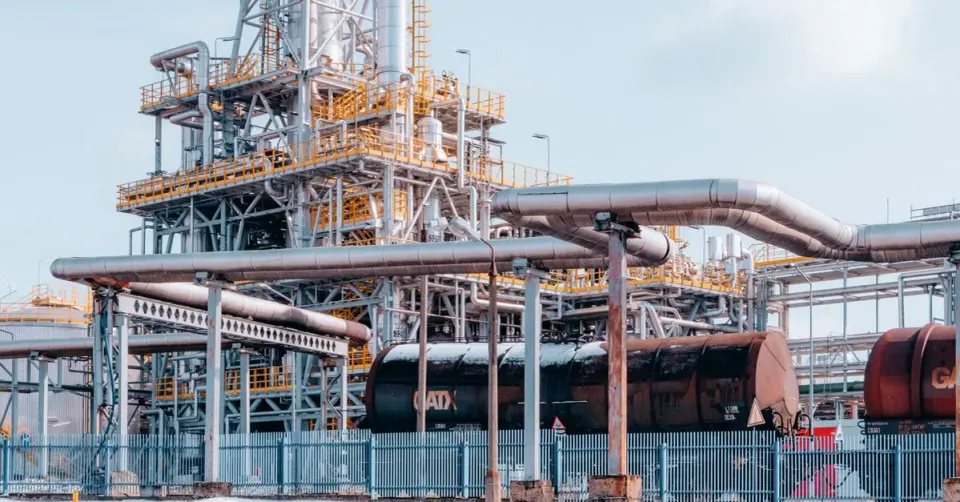
In a move that has stunned international observers, U.S. President Donald Trump has announced a significant deal to purchase Russian diesel, aimed at lowering domestic fuel prices for American consumers. The decision has immediately placed the U.S. on a collision course with Ukraine and its NATO allies. Ukrainian President Volodymyr Zelenskyy reacted with fury, labeling the agreement “absolutely terrible” and “not honest,” as it effectively undermines years of Western economic pressure intended to curb the Kremlin’s military capabilities.
This policy shift represents a radical departure from the previous administration's stance and highlights Trump's "America First" energy strategy. By prioritizing lower costs at the pump over geopolitical solidarity, the administration risks fracturing the Western alliance. For global markets, this signals a potential easing of energy sanctions, which could lead to increased volatility as traders weigh the benefits of cheaper fuel against the risks of heightened political instability in Europe and the Atlantic.
Iran Deepens FAO Ties Amid Ecological and Economic Pressures
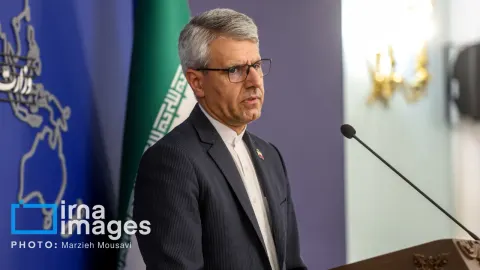
Despite the persistent weight of Western sanctions, Iran is reportedly expanding its cooperation with the United Nations Food and Agriculture Organization (FAO). According to Iran’s permanent representative to the agency, the FAO remains committed to helping Tehran strengthen its food security and technical agricultural capabilities. This partnership is viewed by the Iranian government as a vital channel for bypassing diplomatic isolation, focusing on sustainable development and resource management in the face of climate challenges.
Parallel to these diplomatic efforts, Iranian state media has highlighted the role of the European bee-eater, a colorful bird species found in Iran, as a symbol of ecological balance. The bird acts as a natural pest control, feeding on insects that could otherwise damage crops. This narrative serves to emphasize Iran's focus on environmental health as a component of its broader national security. For the Iranian public, these stories are designed to project a sense of resilience and normalcy, suggesting that the country can maintain its ecological and food systems despite external economic warfare.

Market Update: USD Eases in Tehran as Bitcoin Holds Fibonacci Support
On Saturday, October 10, 2026 (18 Mehr 1405), the Tehran currency market saw a mild correction. The US Dollar (USD) moved from 267,400 to 266,000 Toman, marking a -0.5% decrease over the last 24 hours. Meanwhile, Gold 18k/gram saw a marginal increase, rising from 26,508,610 to 26,524,770 Toman (+0.1%). The Emami coin remained stable at 270,000,000 Toman. These movements suggest a cautious wait-and-see approach among local traders as they monitor the impact of new U.S. energy deals and regional diplomatic shifts.
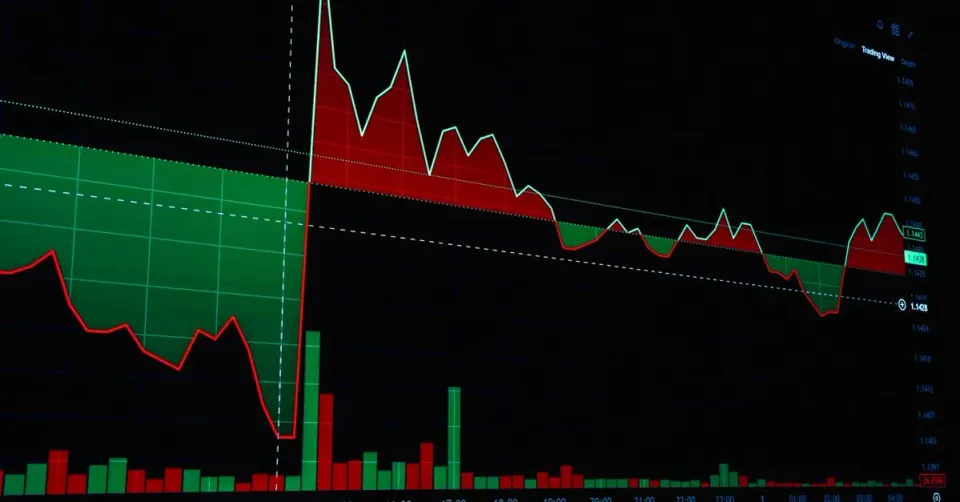
In the cryptocurrency space, Bitcoin (BTC) continues to hover around a key Fibonacci support level at approximately $82,742. Despite rising oil prices and a hawkish outlook from the Federal Reserve, the digital asset has managed to maintain its ground above the $82,000 mark. The crypto market's resilience is being tested by broader macroeconomic factors, but for now, the technical support levels are holding, providing a sense of stability for digital asset investors amid the geopolitical noise.
Frequently Asked Questions
چرا توافق دیزلی ترامپ با روسیه اهمیت دارد؟
بحران در حزب سبز بریتانیا چه تاثیری بر سیاست این کشور دارد؟
وضعیت قیمت دلار و طلا در بازار تهران چگونه است؟
Understanding Energy Geopolitics
Energy geopolitics is a crucial concept that illuminates the intricate relationship between energy resources, international relations, and global power dynamics. It moves beyond simply viewing energy as a commodity, recognizing it instead as a strategic asset that profoundly influences foreign policy, shapes alliances, and can be a flashpoint for international conflicts. In essence, it explores how the control, production, distribution, and consumption of energy resources are intertwined with political power struggles and the pursuit of national interests on the world stage.
The headline's mention of a potential 'Trump Russian Diesel Deal' perfectly illustrates the stakes involved in energy geopolitics. Russia is a major global energy producer, and its energy exports have long been a tool of its foreign policy, particularly in its relations with Europe. A deal involving Russian diesel, especially if it were to circumvent existing sanctions or undermine allied efforts to reduce reliance on Russian energy, would not merely be an economic transaction. It would be a highly charged geopolitical move, potentially shifting economic leverage, creating new dependencies, and challenging the unity of international blocs.
Such a deal could significantly 'shake global alliances' by introducing fissures among nations committed to a united front against certain geopolitical actors. It highlights how energy security—the reliable and affordable access to energy resources—is a paramount concern for states, often driving their diplomatic strategies and military considerations. Nations might align or diverge based on their energy needs, their access to supply routes, and the political implications of their energy partners.
Ultimately, understanding energy geopolitics is essential for making sense of contemporary international issues, from regional conflicts and economic sanctions to the stability of international institutions and the shifting balance of global power. It provides a lens through which to analyze why certain nations behave as they do on the global stage, revealing the underlying energy interests that often fuel their decisions and shape the future of international relations.