Peruvian Town Elects Mayor Named Hitler Mussolini; Iran Vows Justice for Slain Official
انتخاب شهرداری به نام هیتلر موسولینی در پرو؛ ایران وعده پیگیری قتل مقام پلیس را داد
A remote district in Peru has elected a mayor named Hitler Mussolini Simeon Flores, a peculiar political development amidst global attention. Meanwhile, in Iran, Parliament Speaker Mohammad Bagher Ghalibaf has pledged swift justice for the assassination of a senior police official in the volatile Sistan-Baluchestan Province. These events unfold as the Toman slightly strengthened against the USD, which saw a 0.4% decrease, while 18k gold experienced a minor 0.1% rise.
At time of publishing
USD
266,400
Toman
Gold 18K
26.55M
Toman / gram
Bitcoin
$82,746
US Dollar
Tether
265,844
Toman
Peruvian District Elects Mayor Named Hitler Mussolini
A highly unusual political outcome has emerged from a remote district in the Peruvian Andes, where a candidate named Hitler Mussolini Simeon Flores has been elected mayor. Flores, a 45-year-old businessman, secured the mayoral seat for Queropalca, a district in Peru’s central Huanuco region, and is set to assume office on January 1st. This election has garnered international attention not for its policy implications, but for the candidate's striking name, shared with two of history's most notorious dictators.
While the candidate's name is a clear source of global curiosity, it is important to note that the election appears to be a local affair, with no immediate indication that Flores's political platform or ideology aligns with the historical figures he shares a name with. Such unique outcomes, while localized, contribute to the global political narrative and can subtly influence broader perceptions of political stability or risk appetite in emerging economies. The sheer oddity of the name itself creates a ripple effect, drawing media scrutiny to a local election that would otherwise pass unnoticed.
This incident highlights how even seemingly minor local political events can capture international headlines, serving as a cultural talking point and a reminder of the diverse and sometimes eccentric nature of global politics. For markets, while there's no direct quantifiable impact on specific asset prices, the broader narrative of political stability and the unexpected nature of electoral outcomes, particularly in regions prone to volatility, can contribute to overall investor sentiment. It underscores the unpredictable elements that can shape the global political landscape and, by extension, influence risk assessments.
Frequently Asked Questions
What is the significance of the Peruvian mayoral election of Hitler Mussolini Simeon Flores?
What are the implications of Iran's Parliament Speaker vowing justice for the slain police official?
Why is Russia's silence on the plague researcher's death concerning to experts?
How does the Rural and Nomadic Capabilities Exhibition in Tehran contribute to Iran's economy?
What impact is Marcy Kaptur's anti-trans ad having on her re-election campaign?
The Nuances of Historical Memory and Political Symbolism
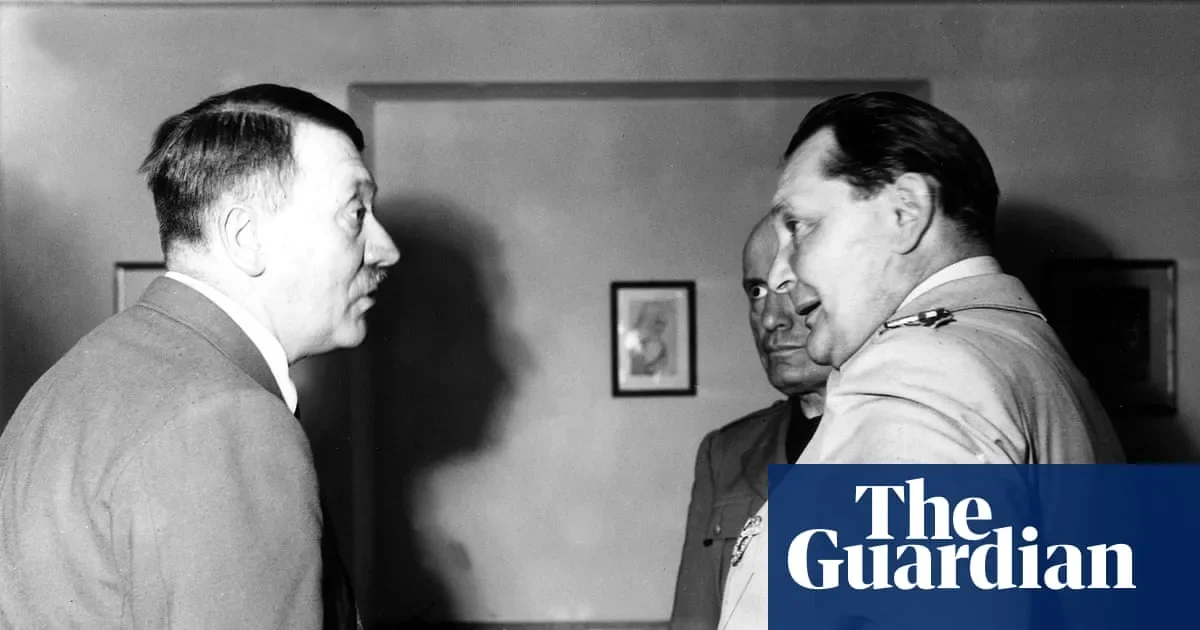
The election of a mayor named Hitler Mussolini in a Peruvian town, as highlighted in the news, serves as a striking entry point into understanding the complex concepts of historical memory and political symbolism. This seemingly incongruous event prompts us to consider how deeply historical figures and their associated ideologies are remembered, interpreted, and even recontextualized across different cultures and geographical locations. It reveals that history's weight is not uniformly felt or understood globally.
Historical memory refers to the collective ways societies remember, interpret, and represent past events and figures. This memory is far from monolithic; it is continuously shaped by local experiences, national narratives, educational systems, and political agendas. In much of the Western world, and indeed globally, names like "Hitler" and "Mussolini" are inextricably linked to the horrors of fascism, genocide, and world war, evoking immediate and profound negative reactions. These names symbolize immense human suffering and dictatorial oppression, making their casual or even electoral use deeply jarring to many.
However, the Peruvian context suggests a different trajectory of historical memory. For communities far removed from the direct impact of World War II's battlefields or the Holocaust, the historical baggage attached to these names might be significantly lighter or simply different. Parents might choose such names for reasons unrelated to their historical infamy, perhaps perceiving them as "strong," unique, or simply without a full grasp of their global connotations. This phenomenon underscores how political symbolism—the meaning and power imbued in names, images, or ideas—is not universal but highly dependent on the cultural lens through which it is viewed.
Ultimately, the story of Mayor Hitler Mussolini illustrates that the legacies of historical figures are not static. They are fluid, subject to diverse interpretations, and can carry vastly different political and social weight depending on the specific cultural and historical context. This reminds us of the importance of understanding varied historical perspectives and the intricate ways in which the past continues to shape the present in unexpected forms.
Topics
Related Articles