Tanker Blast in Hormuz Sparks Supply Fears as Bitcoin Eyes $83K on China GDP Boost
انفجار نفتکش در تنگه هرمز و جهش بیتکوین به مرز ۸۳ هزار دلار تحت تاثیر رشد اقتصادی چین
A strategic oil tanker incident in the Strait of Hormuz has sent ripples through energy markets, while global risk appetite surges following better-than-expected GDP data from China. Meanwhile, diplomatic tensions between Tehran and Paris escalate as Iran's foreign minister mocks the French president's handling of domestic unrest.
At time of publishing
USD
261,800
Toman
Gold 18K
26.02M
Toman / gram
Bitcoin
$82,686
US Dollar
Tether
259,493
Toman
Tensions Flare in the Strait of Hormuz Following Tanker Explosion
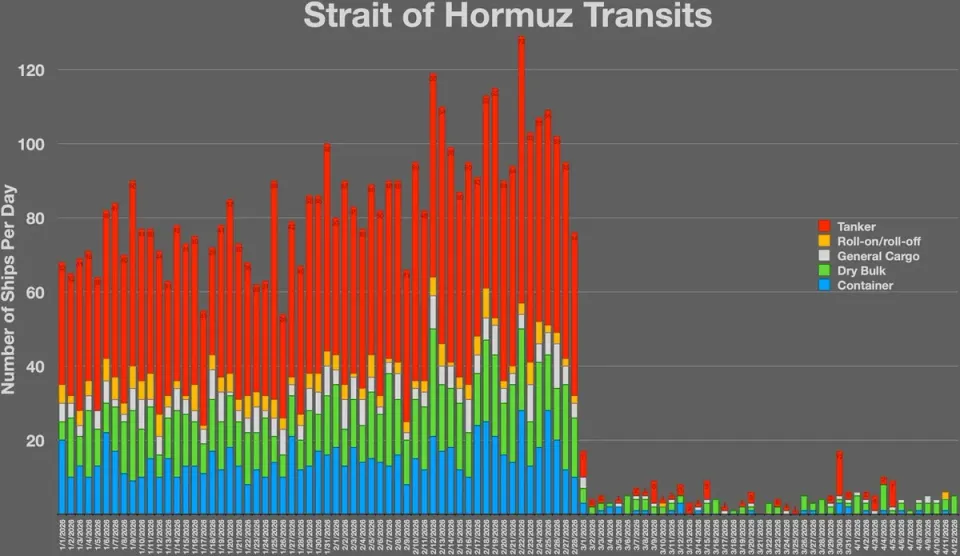
The Islamic Revolution Guards Corps (IRGC) Navy reported early Monday that an oil tanker, which they claimed was "violating regulations," struck a naval mine in the southern reaches of the strategic Strait of Hormuz. According to state-affiliated media, the blast triggered a significant fire in the vessel's engine room. While the identity of the tanker and its flag state were not immediately clarified by independent monitors, the incident marks a sharp escalation in the maritime risks associated with the world's most critical oil chokepoint. This development comes at a time when global shipping is already grappling with a severe bunker fuel crisis, where securing reliable fuel deliveries has become a logistical nightmare for container and crude carriers alike.
The timing of this explosion is particularly sensitive for the Iranian economy. Any disruption in the Strait of Hormuz typically triggers immediate volatility in the unofficial currency markets in Tehran. Although the US Dollar saw a slight 0.2% decline in the last 24 hours, settling at 261,800 Toman, the specter of a broader maritime conflict often leads to speculative hoarding of hard currency. For the average Iranian consumer, these geopolitical tremors are more than just news; they are direct precursors to shifts in the cost of imported goods and the general stability of the Rial. The IRGC's narrative of a "violating" vessel is a familiar framing often used to justify interventions in international waters, further complicating the diplomatic landscape.
Global Markets Rally on China’s Economic Resilience
In a sharp contrast to the regional instability in the Middle East, global financial markets received a boost from East Asia this morning. China’s latest GDP figures exceeded analyst estimates, sparking a rally across Asian equities, including South Korea’s Kospi and Nasdaq futures. This surge in optimism has spilled over into the cryptocurrency sector, with Bitcoin (BTC) climbing toward the $83,000 mark. At the time of this report, Bitcoin was trading at approximately $82,686, benefiting from a renewed "risk-on" sentiment among institutional investors who view the Chinese recovery as a signal of broader global economic health.
Adding to the market's momentum is a temporary reprieve in energy costs. Crude oil prices slipped slightly as traders reacted to reports of a potential diesel fuel deal between the United States and Russia, which could increase global supply despite ongoing sanctions. However, this dip in oil prices remains fragile. The situation in Hormuz acts as a counterweight to the supply hopes, keeping Brent crude significantly elevated compared to previous weeks. For Iranian gold investors, the global uncertainty continues to provide a floor for prices; 18k gold rose 0.7% over the last 24 hours to reach 26,021,515 Toman per gram, reflecting a persistent domestic demand for safe-haven assets amidst global fluctuations.
Diplomatic Spat Intensifies Between Tehran and Paris
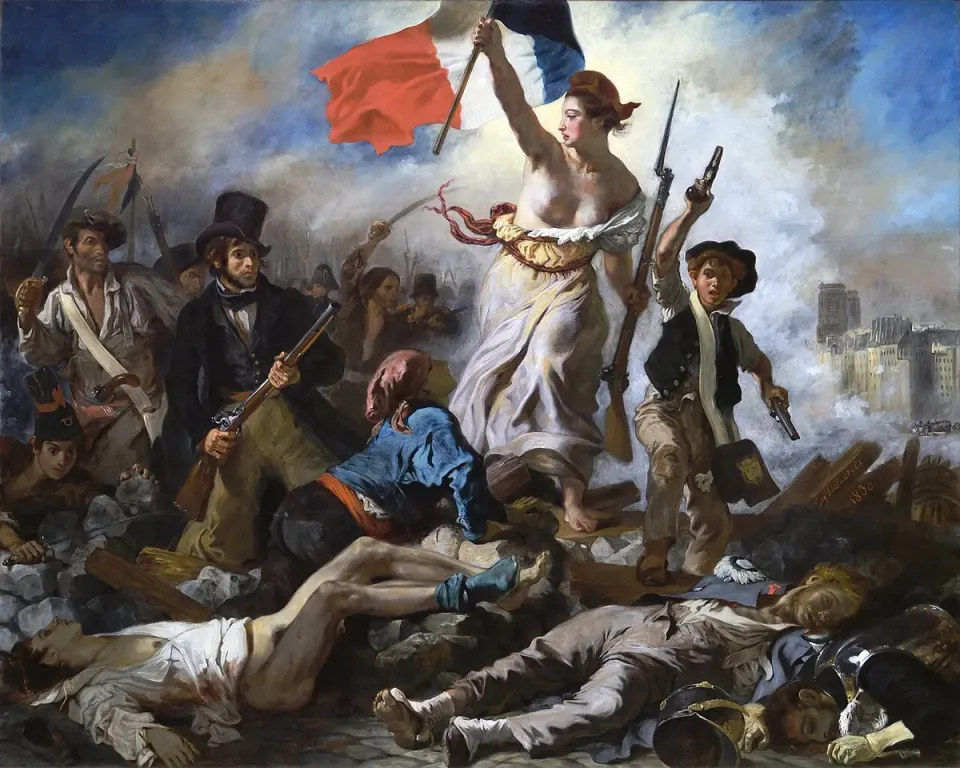
On the diplomatic front, Iranian Foreign Minister Abbas Araghchi has issued a sharp rebuke to French President Emmanuel Macron. Following a weekend of intense rioting and social unrest across France, Macron reportedly suggested that external pressures, including the geopolitical fallout of the US-Iran conflict, were contributing to the chaos in French cities. Araghchi dismissed these claims as a pathetic attempt to shift blame, stating, "It’s too late, Mr. President," and suggesting that the French government's domestic failures cannot be laundered through foreign policy excuses. The unrest in France, characterized by burning barricades and attacks on municipal buildings, has put Macron under immense pressure, drawing unfavorable comparisons to historical French monarchs.
This verbal escalation is likely to further chill relations between Iran and the European members of the P5+1. France has traditionally taken a hardline stance on Iran's regional activities and nuclear program, and this latest exchange signals a breakdown in constructive dialogue. For Iranians, this diplomatic friction often translates into stalled negotiations regarding sanctions relief. As the French government struggles with structural issues in its education system and rising public anger over economic inequality, Tehran appears emboldened to challenge Western narratives, even as it faces its own internal and external economic pressures. The lack of a diplomatic bridge could mean a prolonged period of economic isolation for the Iranian market, keeping the Toman under long-term pressure.
One Year Later: The $100 Million Louvre Mystery Continues
In a story that sounds like a Hollywood thriller, today marks the one-year anniversary of the daring heist at Paris’s Louvre Museum, where thieves made off with $100 million worth of crown jewels. Despite four suspects remaining behind bars, the actual treasures—including historic pieces belonging to Empress Eugenie, the wife of Napoleon III—remain missing. The heist, which took place on October 19, 2025, involved thieves disguised as maintenance workers who bypassed high-tech security systems with surgical precision. The failure to recover these items a year later highlights the sophisticated nature of international art crime syndicates and continues to be a point of embarrassment for French security forces.
While this story may seem distant from the fluctuations of the Tehran stock exchange, it underscores the enduring value of tangible, historical assets during times of global instability. In the Iranian context, where the "Emami" coin and 18k gold are staples of wealth preservation, the security of high-value assets is a recurring theme. The Emami coin currently sits at 265,000,000 Toman, a slight 0.4% decrease from the previous day, yet it remains a primary target for those looking to hedge against the Rial's volatility. The Louvre heist serves as a reminder that even in the world's most protected institutions, the allure of gold and jewels remains a powerful driver of illicit activity, paralleling the domestic rush for gold whenever geopolitical tensions rise.
Frequently Asked Questions
Why did the IRGC claim the tanker hit a mine?
How did China's GDP affect Bitcoin's price?
Why is the price of gold rising in Iran despite a stable Dollar?
The Strait of Hormuz: A Global Energy Choke Point
The Strait of Hormuz is one of the world's most critical maritime choke points, a narrow waterway connecting the Persian Gulf to the Arabian Sea and the broader Indian Ocean. Flanked by Iran to the north and Oman's Musandam peninsula to the south, its strategic importance cannot be overstated. Roughly one-fifth of the world's total petroleum consumption and a significant portion of its liquefied natural gas (LNG) supply pass through this 21-mile wide (at its narrowest) channel daily. This makes any disruption, like a "tanker blast" or increased military presence, an immediate cause for "supply fears" in global energy markets.
Its status as a choke point means that a blockage or significant threat to shipping in the Strait of Hormuz can send shockwaves through the global economy. The sheer volume of oil and gas transported makes it indispensable for major energy consumers worldwide, particularly in Asia, Europe, and North America. When geopolitical tensions rise in the region, as indicated by the presence of forces like the IRGC Navy, the potential for disruption directly translates into higher oil prices, increased shipping insurance costs, and heightened uncertainty for businesses and consumers globally.
Historically, events in the Strait have consistently demonstrated its pivotal role. From tanker wars in the 1980s to more recent incidents involving vessels, any perceived threat to navigation immediately triggers a global response. Understanding the Strait of Hormuz as a choke point is crucial for comprehending the intricate relationship between geopolitics, energy security, and the stability of international trade. It underscores how localized events in strategically vital areas can have far-reaching economic and political consequences across continents.
Topics
Related Articles