UK Steel Crumbles Under Energy Costs as Iran Urges OIC Action Amid Global Market Volatility
بحران انرژی در صنعت فولاد بریتانیا و فراخوان ایران برای مداخله سازمان همکاری اسلامی در چالشهای منطقهای
British steelmakers face a three-year low in competitiveness due to soaring electricity costs linked to regional conflicts. Meanwhile, Iran's foreign minister calls for a more active OIC role as global energy projects face activist shutdowns and Arctic thawing releases toxic heavy metals.
At time of publishing
USD
262,000
Toman
Gold 18K
26.05M
Toman / gram
Bitcoin
$82,811
US Dollar
Tether
259,493
Toman
British Steelmakers Crippled by Rising Energy Premiums
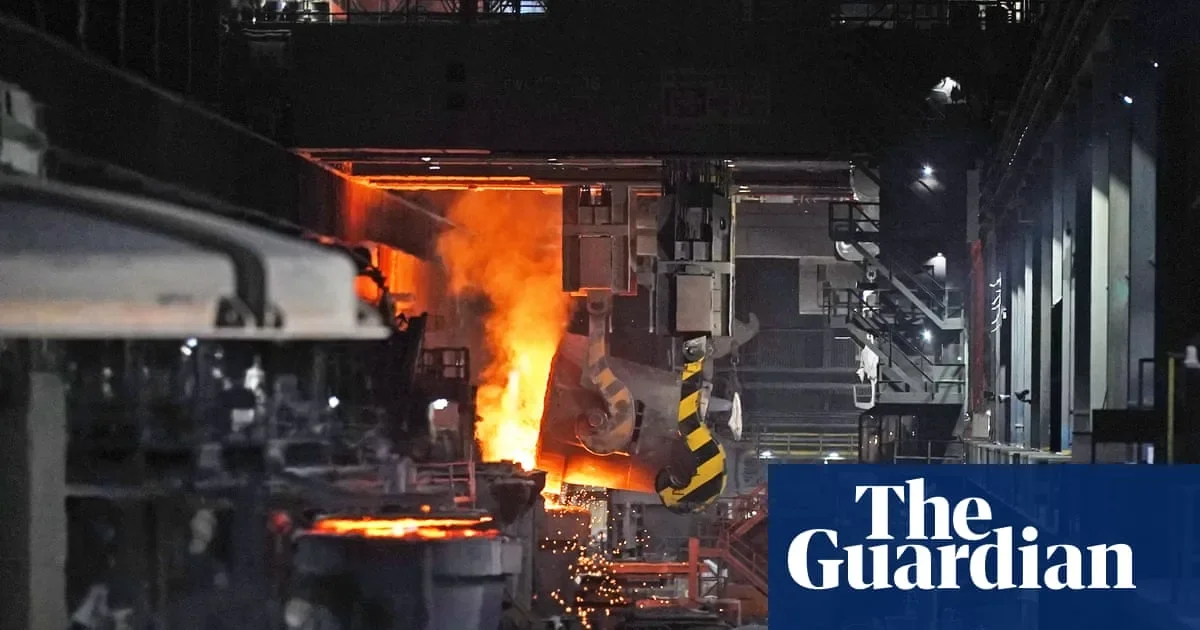
The British steel industry is currently facing its most precarious position in over three years, as electricity costs soar far beyond those of its European Union rivals. Recent analysis by the lobby group UK Steel reveals that the premium paid by British manufacturers over their French counterparts has surged to nearly £30 per megawatt hour (MWh). This widening gap is not merely a localized economic quirk; it is a direct consequence of the ongoing geopolitical instability in the Middle East. The US-Israeli conflict involving Iran has significantly disrupted global gas markets, and because the UK remains heavily reliant on gas for its marginal electricity pricing, the industrial sector is bearing the brunt of the volatility.
For the average Iranian reader or investor, this development underscores how regional tensions translate into direct economic pressure on Western industrial giants. While the UK attempts to transition its energy grid, the immediate reality is a loss of competitiveness that threatens thousands of jobs and the long-term viability of domestic steel production. If British steel cannot compete on price due to energy overheads, it opens the door for cheaper imports, potentially shifting the balance of trade and influencing global commodity prices for scrap and finished metal. This situation serves as a stark reminder that energy security is now the primary determinant of industrial survival in the 21st century.
Iran Calls for OIC Intervention Amid Regional Security Alerts
In Tehran, Foreign Minister Abbas Araghchi has officially called upon the Organization of Islamic Cooperation (OIC) to adopt a more assertive role in addressing the myriad challenges facing the Islamic world. According to reports from the state-run IRNA, Araghchi emphasized the need for collective action to resolve internal differences and confront external pressures. This diplomatic push comes at a time of heightened regional tension, with Al Jazeera reporting a ramp-up in fighting in Yemen and US embassies across the Middle East issuing fresh security alerts for American citizens. The Iranian government's move appears to be a strategic attempt to consolidate regional support and mitigate the diplomatic isolation that often accompanies intensifying sanctions and military friction.
However, the efficacy of the OIC as a decisive geopolitical actor remains a subject of debate. While the rhetoric from Tehran suggests a desire for unity, the underlying reality is a region deeply divided by competing interests and historical rivalries. For the markets, this diplomatic maneuvering is a signal of high-stakes positioning. Investors are watching closely to see if these calls for cooperation lead to a genuine de-escalation or if they are merely a precursor to a new phase of regional realignment. The continued security alerts from US missions suggest that, despite the talk of diplomacy, the risk of miscalculation remains at a multi-year high, keeping a permanent risk premium on oil and gold prices.
Arctic Thawing and Energy Activism Disrupt Global Stability
Beyond the corridors of power, the physical environment is sending its own shockwaves through the global economy. In the remote Norwegian town of Longyearbyen, residents have been warned that their tap water is no longer drinkable. Scientists have linked this to the thawing of permafrost, which has exposed bedrock and allowed heavy metals to leach into the local water supply. This is not just a local tragedy for Svalbard; it is a canary in the coal mine for Arctic infrastructure globally. As the climate warms at an accelerated pace in the north, the cost of maintaining habitable environments and industrial outposts is set to skyrocket, creating a new category of environmental debt for nations with northern territories.
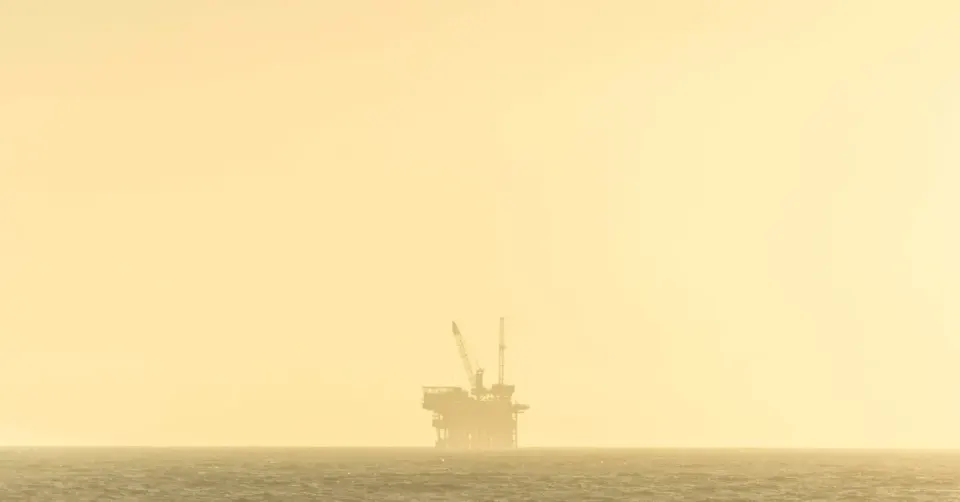
Simultaneously, the energy sector is facing internal disruption from direct action. In Australia, a $12.5 billion gas project operated by Woodside Energy was forced to shut down operations after Greenpeace activists boarded an offshore platform. This incident highlights the growing friction between traditional energy extraction and environmental activism, which is increasingly capable of causing material financial losses. With the activists facing up to 10 years in prison, the legal stakes are rising just as fast as the operational risks. For global energy markets, these shutdowns contribute to a sense of supply fragility, ensuring that even minor protests can have outsized effects on LNG pricing and investor sentiment.
Local Market Update: Gold Rises as Rial Remains Under Pressure
As of 11:00 Tehran time on Monday, October 19, 2026 (دوشنبه ۲۷ مهر ۱۴۰۵), the Iranian domestic market is reflecting the broader global uncertainty. The US Dollar (USD) sell rate saw a marginal decrease, moving from 262,200 to 262,000 Toman (-0.1%), showing a brief period of consolidation after recent volatility. However, the safe-haven demand remains robust in the precious metals sector. Gold 18k per gram rose from 25,852,994 to 26,051,525 Toman, marking a 0.8% increase within the last 24 hours. Similarly, the Emami coin edged up from 266,000,000 to 266,500,000 Toman (+0.2%), indicating that local investors are still hedging against potential regional escalations.
In the cryptocurrency space, Bitcoin continues to hold a strong position at $82,811, benefiting from a general flight to digital assets as traditional currencies face inflationary and geopolitical headwinds. The global price of gold remains at a historic high of $4,189.00 per ounce, further fueling the domestic rise in coin and bullion prices. For the Iranian household, these numbers represent a persistent challenge to purchasing power, as the cost of living continues to be tethered to the fluctuating fortunes of the Rial and the unpredictable nature of international diplomacy. The slight dip in the USD rate should not be mistaken for a trend, as the underlying drivers of currency depreciation—sanctions and regional instability—remain firmly in place.