Lavrov Lands in Tehran for Hormuz Security Talks as Tech Stocks Rebound and Robinson Faces Trial
سفر لاوروف به تهران برای امنیت هرمز؛ بازگشت غولهای تکنولوژی و محاکمه جنجالی در انگلیس
Russian Foreign Minister Sergey Lavrov arrives in Tehran to mediate regional security and the Strait of Hormuz crisis, while global tech stocks see a major recovery led by Micron and Nvidia. In the UK, the trial of far-right activist Tommy Robinson for harassing journalists highlights growing tensions over media freedom.
At time of publishing
USD
262,400
Toman
Gold 18K
26.11M
Toman / gram
Bitcoin
$82,424
US Dollar
Tether
260,460
Toman
The Legal Battle Over Media Intimidation: The Robinson Trial
The trial of far-right activist Tommy Robinson, whose real name is Stephen Yaxley-Lennon, has opened in the United Kingdom with explosive allegations regarding the use of 'bullyboy' and intimidatory tactics. Prosecutors detailed how Robinson allegedly targeted journalists from MailOnline, Andrew Young and Jacob Dirnhuber, in a manner designed to cause fear and distress. This case is not merely a local criminal matter; it represents a significant flashpoint in the ongoing global struggle between populist movements and the established media. For observers in the Middle East and beyond, the trial serves as a case study in how social media figures can leverage their following to pressure traditional reporting, often bypassing legal norms to exert personal influence over the narrative.
Robinson has denied all charges, but the testimony provided on Monday suggests a calculated effort to silence critics through direct confrontation and online mobilization. This development comes at a time when the role of the independent press is under scrutiny worldwide. The outcome of this trial will likely set a precedent for how democratic legal systems handle digital-age harassment and the protection of journalists from organized intimidation. As the far-right continues to gain traction in various Western jurisdictions, the boundaries of legitimate protest versus criminal harassment are being redrawn in the courtroom.

Lavrov’s Diplomatic Surge: Security in the Strait of Hormuz
Russian Foreign Minister Sergey Lavrov has arrived in Tehran for high-stakes discussions centered on regional security and the ongoing volatility in the Strait of Hormuz. This visit is particularly significant as Gulf Cooperation Council (GCC) states have reportedly pressured Moscow to use its influence with the Iranian government to de-escalate tensions and ensure the reopening of critical shipping lanes. The Strait of Hormuz remains the world’s most vital oil chokepoint, and its partial closure or continued instability has direct consequences for global energy prices and the economic stability of the Islamic Republic. By positioning itself as a mediator, Russia is attempting to solidify its role as a primary power broker in the Middle East, filling a perceived vacuum left by shifting American priorities.
For the Iranian economy, these talks are a double-edged sword. While Russian mediation could provide a diplomatic off-ramp that prevents further military escalation, it also highlights the regime's increasing reliance on Moscow amidst heavy Western sanctions. Domestically, the Toman has shown slight movement; the USD sell rate moved from 262,200 to 262,400 (+0.1%) over the last 24 hours. The market is clearly in a 'wait-and-see' mode, weighing the possibility of a security breakthrough against the risk of continued maritime conflict. If Lavrov’s visit fails to produce a concrete roadmap for maritime safety, the pressure on the Iranian currency could intensify as shipping insurance costs and trade delays mount.
Market Rebound: Tech Stocks and the Gold Surge
After a bruising selloff that rattled global investors, technology stocks have staged a remarkable comeback this Monday. Leaders in the semiconductor industry, such as Micron and Nvidia, are seeing renewed buying interest as the market prepares for a pivotal week of corporate earnings and tech conferences in Europe. This rebound suggests that the fundamental demand for AI-related infrastructure remains robust, despite temporary macro-economic jitters. Investors are now closely watching Meta’s upcoming earnings report, which is expected to serve as a bellwether for digital advertising and AI spending trends for the remainder of the year. This optimism in the West has provided a stabilizing backdrop for global sentiment, even as regional geopolitical risks persist.
In the local Iranian market, however, the primary story remains the surge in precious metals. Gold 18k/gram rose significantly from 25,852,994 to 26,109,238 Toman, marking a 1.0% increase in just 24 hours. This move reflects a broader flight to safety among domestic investors who are hedging against regional instability and the potential for higher global inflation. While the Emami coin saw a more modest rise of 0.2% to 266,500,000 Toman, the consistent upward trajectory of gold prices indicates that the public remains skeptical of long-term currency stability. Bitcoin, meanwhile, is trading at a high of $82,424, maintaining its position as a preferred digital alternative for those looking to move capital outside of the traditional banking system.
Trump’s Sanctions Waiver and the Energy Rift
In a move that has sent shockwaves through the geopolitical landscape, Donald Trump has defended his decision to waive certain sanctions against Russia, specifically those aimed at the energy sector. Trump argued that the waiver is a necessary tool to keep the Kremlin at the negotiating table, but the decision has deepened the rift between Washington and Kyiv. Critics, including some within the U.S. Congress, argue that providing sanctions relief—particularly on Russian diesel and energy exports—undermines the effort to pressure Moscow over its actions in Ukraine. This policy shift signals a more transactional approach to foreign policy, where energy stability is prioritized over strictly punitive measures.
This development has direct implications for the global energy market and, by extension, Iran’s own energy strategy. If Russia is allowed more flexibility in its energy exports, it could compete directly with Iranian oil in the 'shadow markets' of Asia. Furthermore, the tension between the U.S. and its European allies over how to handle Russian energy could lead to a fragmented sanctions regime, creating both opportunities and risks for regional players. As the rift with Ukraine deepens, the global energy map is being redrawn, with traditional alliances being tested by the pragmatic needs of domestic economies and fuel price stability.
Frequently Asked Questions
چرا سفر لاوروف به تهران برای بازار اهمیت دارد؟
علت رشد ۱ درصدی طلا در بازار امروز چه بود؟
معافیتهای تحریمی ترامپ برای روسیه چه تاثیری بر ایران دارد؟
The Strait of Hormuz: Global Chokepoint and Geopolitical Flashpoint
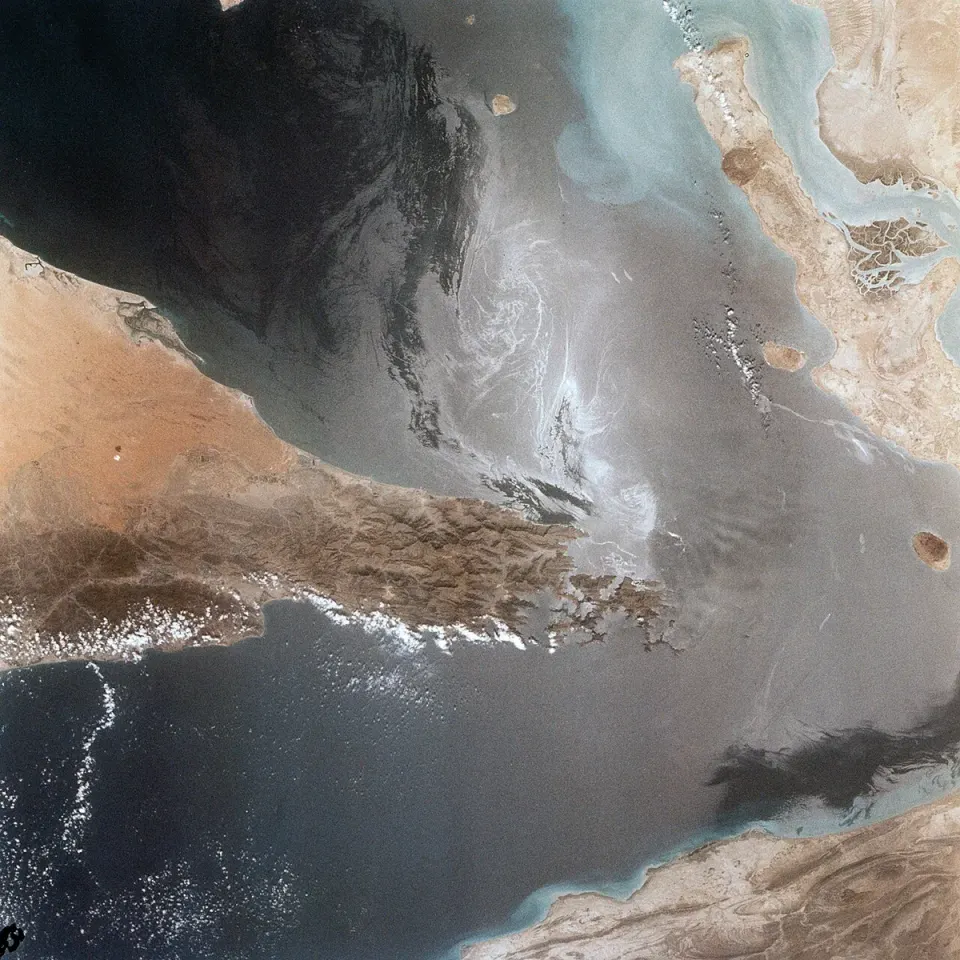
The Strait of Hormuz is a narrow, strategically vital waterway connecting the Persian Gulf with the Gulf of Oman and the Arabian Sea. At its narrowest point, it is only about 21 nautical miles (39 kilometers) wide, yet it serves as the sole maritime passage for much of the world's crude oil and liquefied natural gas (LNG) from the Middle East to global markets. Its geographical position makes it an indispensable artery for international trade, particularly for energy supplies originating from major oil-producing nations like Saudi Arabia, Iran, Iraq, Kuwait, Qatar, and the UAE.
Economically, the Strait of Hormuz is unparalleled in its importance. Roughly one-fifth of the world's total petroleum liquids consumption, and a significant portion of global LNG, transits through this strait daily. Any disruption to traffic in this choke point can have immediate and severe repercussions on global energy prices, supply chains, and the stability of the world economy. The sheer volume of energy resources passing through makes it a critical determinant of global energy security and a focal point for international economic policy.
Beyond its economic role, the Strait of Hormuz is a perpetual geopolitical flashpoint. Its strategic significance has made it a theater for regional rivalries and international power struggles, primarily involving Iran, which controls its northern coast, and various Western powers, particularly the United States, which maintains a significant naval presence in the region to ensure freedom of navigation. Tensions often escalate over issues like maritime security, territorial claims, and the broader geopolitical competition for influence in the Middle East.
Discussions surrounding "Hormuz security talks," such as those involving Russian Foreign Minister Lavrov in Tehran, underscore the strait's ongoing importance in international diplomacy. These talks often revolve around ensuring safe passage for commercial shipping, preventing piracy, and managing potential military confrontations. The stability of the Strait of Hormuz is not merely a regional concern; it is a global imperative, directly impacting everything from energy prices to international relations and the balance of power in one of the world's most volatile regions.
Topics
Related Articles