
Kenya Cult Leader Convicted; Amazon Funds Nuclear Power; Iran Reviews Defense Readiness
رهبر فرقه در کنیا محکوم شد؛ آمازون سرمایهگذار نیروگاه اتمی؛ ایران آمادگی دفاعی را بازنگری میکند
A Kenyan cult leader has been found guilty of murder for his role in the deaths of over 190 followers, including children, who were instructed to starve themselves. Meanwhile, Amazon has announced funding for a new nuclear power plant in Indiana, signaling a significant investment in carbon-free energy. Separately, Iran's Armed Forces chief has called for a comprehensive review of defense preparedness in light of recent global conflicts.
At time of publishing
USD
261,900
Toman
Gold 18K
26.19M
Toman / gram
Bitcoin
$81,942
US Dollar
Tether
261,710.384
Toman
Kenyan Cult Leader Found Guilty in Mass Starvation Deaths
A Kenyan court has convicted self-proclaimed pastor Paul Mackenzie of murder, alongside approximately 30 co-defendants, for orchestrating a horrifying mass starvation cult. The victims, tragically including 190 children and one adult, were followers of Mackenzie's 'Good News International Church' who were allegedly instructed to starve themselves to death in preparation for the apocalypse. This verdict follows an extensive investigation that began in 2023 after authorities received a tip, leading to the discovery of mass graves in the Shakahola forest.

This landmark ruling brings a measure of justice for the victims and their families, highlighting the devastating consequences of radical religious extremism and the manipulation of vulnerable individuals. The case has drawn international attention to cult dynamics and the importance of safeguarding against such abuses. For Kenya, this conviction represents a critical step in addressing a national tragedy and ensuring accountability for those who prey on religious fervor for nefarious purposes.
---
Amazon Invests in Nuclear Power for Carbon-Free Energy
Amazon has entered into a significant agreement with X-energy and American Electric Power (AEP) to fund the construction of a new nuclear energy facility in Indiana. This initiative aims to provide up to 960 megawatts of carbon-free electricity, intended to power Amazon's regional operations and contribute to the broader energy grid. The proposed plant will replace the decommissioned Breed Generating Station in Sullivan County, marking a substantial commitment by one of the world's largest tech companies to decarbonization efforts.
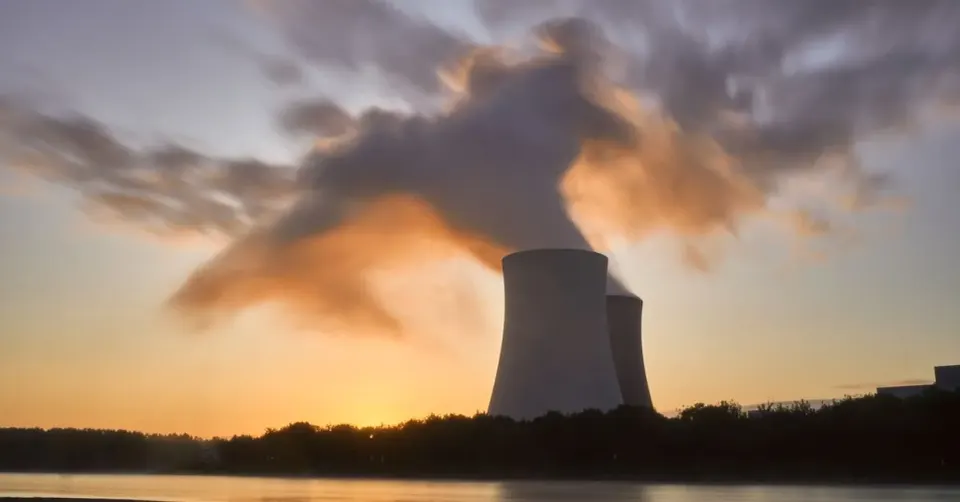
This move by Amazon underscores a growing trend among major corporations to invest in advanced, low-carbon energy sources to meet their sustainability goals and reduce their environmental footprint. The funding of nuclear power, often seen as a complex and capital-intensive endeavor, signals a strategic pivot towards reliable, baseload renewable energy solutions. For the energy sector and climate policy, it demonstrates a potential pathway for private capital to accelerate the deployment of next-generation nuclear technology, crucial for achieving ambitious climate targets worldwide.
---
Iran Reviews Defense Preparedness Amid Global Instability
Major General Ali Abdollahi, the Chief of Staff of Iran's Armed Forces, has officially called for a thorough review of the nation's defense preparedness. This directive comes in the wake of recent global conflicts and emphasizes the need to enhance military capabilities by learning from contemporary warfare, which is increasingly characterized by technological advancements, hybrid tactics, and intelligence-driven operations.
The general's statement highlights Iran's strategic assessment of the evolving geopolitical landscape and the changing nature of military engagement. By urging the armed forces to adapt their strategies and capabilities based on lessons learned from recent wars, Iran signals its intent to maintain a robust defense posture in a volatile international environment. This focus on preparedness is crucial for regional stability and reflects a broader global trend of nations re-evaluating their military readiness in response to persistent conflicts and emerging threats.
---
Markets See Mixed Signals: Gold Rises, Bitcoin Stalls
Global markets are presenting a complex picture today. The price of 18k gold per gram in Iran saw a notable increase of 1.3%, rising from 25,852,994 to 26,185,419 Toman. The Emami coin also experienced a slight uptick of 0.2%, moving from 266,000,000 to 266,500,000 Toman. This indicates continued demand for gold as a safe-haven asset, likely influenced by regional geopolitical tensions and broader economic uncertainties.

In contrast, Bitcoin experienced resistance at the $83,000 mark, failing to break through as US bond yields reversed higher, impacting equities. The USD/IRR exchange rate saw a minor dip, moving from 262,200 to 261,900, a decrease of 0.1%. While specific market drivers for this slight Toman appreciation are not detailed, it suggests a marginal strengthening of the local currency against the dollar. These mixed movements reflect a cautious market sentiment, with investors balancing the allure of gold against the volatility of cryptocurrencies and the fluctuating performance of major fiat currencies.
Frequently Asked Questions
What was the outcome of the trial for the Kenyan cult leader?
What is Amazon's role in the new Indiana nuclear plant?
Why is Iran reviewing its defense preparedness?
How did the Iranian market perform today?
What is happening with Bitcoin?
How Private Investment Powers the Next Wave of Nuclear Energy
The global push for clean, reliable electricity has revived interest in nuclear power, but building a new plant still costs billions of dollars and takes decades. Traditionally, governments shouldered most of the financial risk, but today a growing number of private firms are stepping in to fill the funding gap. Companies like Amazon have begun to allocate capital to nuclear projects, not because they want to run power plants themselves, but because they see stable, low‑carbon electricity as a strategic asset for their massive data‑center operations.
One of the most common mechanisms for private involvement is the Power Purchase Agreement (PPA). Under a long‑term PPA, a corporate off‑taker agrees to buy a fixed amount of electricity at a predetermined price for 10‑20 years. This contractual certainty reduces the perceived risk for lenders and investors, allowing developers to secure cheaper debt and equity financing. Amazon’s recent commitment to a nuclear project in Indiana, for example, includes a multi‑year PPA that guarantees a steady revenue stream once the plant is online.
Private capital also brings operational expertise and a focus on cost efficiency. Investors demand rigorous project management, transparent reporting, and innovative construction techniques such as modular reactors that can be factory‑built and assembled on site. These approaches can shorten construction timelines and lower capital expenditures, making nuclear more competitive with natural‑gas and renewable alternatives.
However, private financing does not eliminate all challenges. Nuclear projects still face regulatory hurdles, public opposition, and the need for robust safety standards. Moreover, the long‑term nature of PPAs means corporations must anticipate future energy prices and policy environments, which can be uncertain. Balancing these risks with the promise of clean baseload power is at the heart of today’s nuclear renaissance.
Understanding how corporate PPAs and private equity reshape nuclear financing helps explain why a tech giant like Amazon is suddenly a key player in the energy sector. It also illustrates a broader trend: as the world decarbonizes, the lines between traditional utilities and technology companies are blurring, creating new pathways for investment in low‑carbon infrastructure.
Topics
Related Articles