Starshield Speed Caps Cripple Ukraine’s Frontline as Tehran-Berlin Tensions Flare
محدودیت سرعت استارشیلد در جبهه اوکراین؛ تنش دیپلماتیک تهران و برلین بالا گرفت
President Zelensky reports that Starshield speed limits are hindering drone operations, while Tehran summons the German ambassador amid escalating diplomatic friction. Meanwhile, global oil prices surge past $100 as the Hormuz crisis intensifies.
At time of publishing
USD
262,100
Toman
Gold 18K
26.15M
Toman / gram
Bitcoin
$81,905
US Dollar
Tether
260,215
Toman
Starshield Speed Limits Throttling Frontline Operations
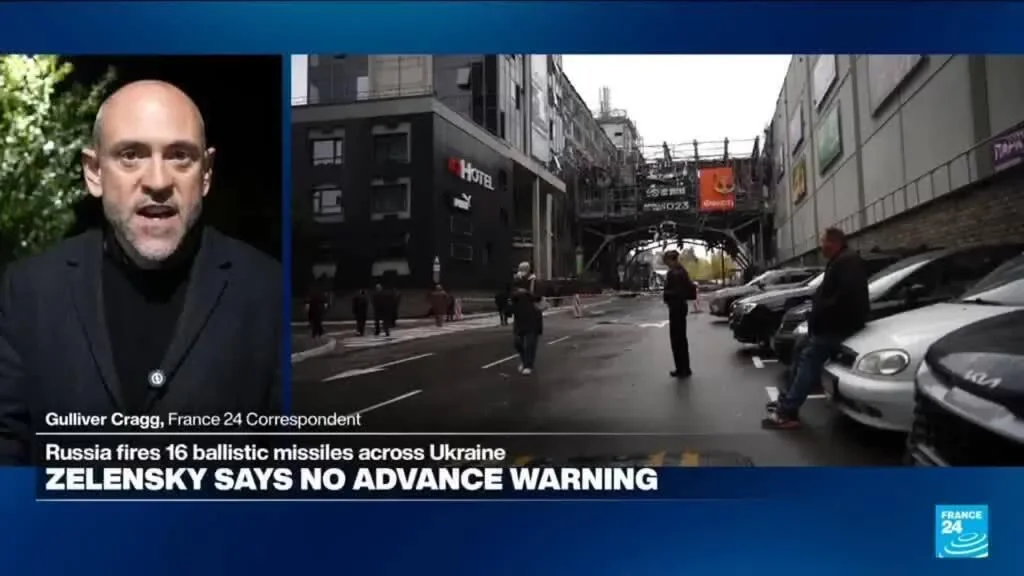
In a significant revelation from the Ukrainian front, President Volodymyr Zelensky has reported that speed limits imposed on the Starshield satellite system—the military-grade version of SpaceX’s Starlink—are severely hindering frontline response times. According to Zelensky, equipment is failing to function at speeds between 130 and 160 kilometers per hour, which is critical for the coordination of high-speed drone strikes and rapid mobile maneuvers. This technical bottleneck suggests a deliberate or systemic constraint in how satellite data is processed for high-velocity assets, potentially to prevent the technology from being integrated into certain classes of long-range autonomous weaponry.

The implications of these speed caps are profound for modern electronic warfare. Ukrainian units rely heavily on real-time data to navigate the dense electronic jamming environment of the Donbas. If the hardware 'locks out' at high speeds, it effectively grounds the most effective tactical drones that require low-latency communication to hit moving targets. This development comes as Ukraine successfully demonstrated a world-first drone-led evacuation of a wounded soldier, highlighting the paradoxical nature of the current tech landscape: while innovation reaches new heights, the infrastructure supporting it remains subject to the strategic whims and technical limitations of private and foreign providers.
Tehran Summons German Ambassador Amid Deepening Diplomatic Chill
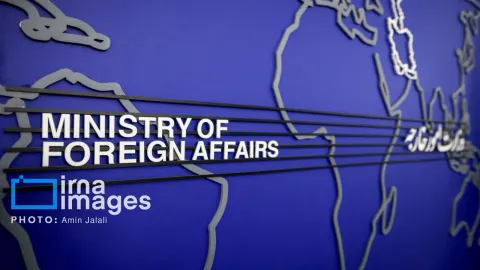
The Iranian Ministry of Foreign Affairs has officially summoned the German ambassador to Tehran, marking a sharp escalation in the diplomatic friction between the Islamic Republic and the European Union. The summons was triggered by what Iranian state media characterized as "repeated and baseless accusations" made by German officials. While the specific nature of the allegations was not detailed in the official IRNA report, the move follows a pattern of increasing Western pressure regarding Iran's regional activities and internal policies. The Ministry conveyed a "strong protest" against Berlin's approach, which it described as contemptible.

For Iranian markets, these diplomatic spats are rarely just political theater. Historically, a breakdown in relations with major European trade partners like Germany serves as a leading indicator for currency volatility. Although the USD to IRR rate remained relatively stable today at 262,100 Toman, the underlying tension often translates into a "risk premium" in the gold market. Gold 18k rose by 1.2% today, reaching 26,150,791 Toman per gram. Investors in Tehran are increasingly looking at gold and hard currency as hedges against a potential total collapse of the already frayed nuclear-related diplomatic channels, especially as European rhetoric hardens in tandem with Washington's stance.
Oil Breaks $100 as Hormuz Crisis Hits Global Supply Chains
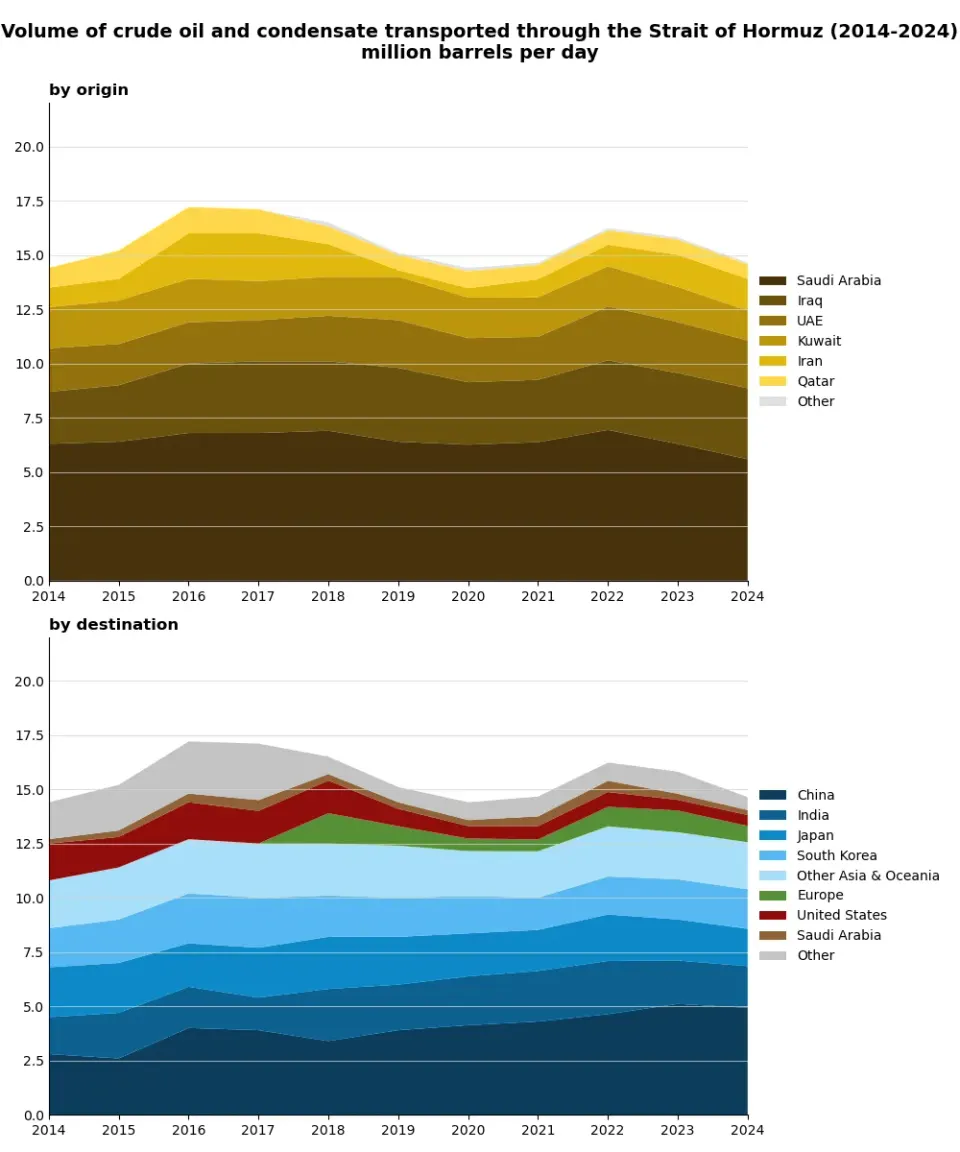
Global energy markets are in a state of high alert as West Texas Intermediate (WTI) crude surpassed the $100 per barrel mark for the first time in a month, closing at $101.30. This rally was ignited by reports from U.S. Central Command confirming the sinking of a Singapore-flagged container ship in the Strait of Hormuz following a projectile strike attributed to the Iranian Revolutionary Guard Corps (IRGC). Brent crude followed suit, jumping over 3% to trade at $109.50. The disruption in one of the world's most vital maritime chokepoints has sent shockwaves through global logistics, with insurance premiums for tankers in the Persian Gulf reportedly skyrocketing within the last 24 hours.
The economic fallout is already visible in neighboring Pakistan, where GDP growth has slowed to 2.0%, significantly below analyst expectations. The combination of soaring energy costs and the interruption of LNG supplies from Qatar is strangling industrial output in the region. For the average Iranian consumer, while high oil prices theoretically increase state revenue, the reality of sanctions means this wealth rarely trickles down to stabilize the Toman. Instead, the geopolitical risk associated with the Hormuz incident is driving up the cost of imported goods, further fueling the domestic inflationary cycle that has kept the Emami coin at a staggering 266,500,000 Toman.
Mastercard Deploys AI to Shield Stablecoin Payments
In the world of digital finance, Mastercard has unveiled a new suite of fraud-fighting tools specifically designed for the stablecoin market. Announced at the Money20/20 conference, this API-based system integrates blockchain analytics with traditional payment intelligence to flag suspicious transactions before they are settled on-chain. This move is a clear attempt by legacy financial institutions to bring regulatory order to the decentralized world, specifically targeting scams and potential sanctions exposure. By screening for high-risk wallets in real-time, Mastercard aims to bridge the gap between the speed of crypto and the security of traditional banking.
For the Iranian crypto community, which relies heavily on Tether (USDT) to bypass traditional banking restrictions, this increased surveillance is a double-edged sword. While it may reduce the prevalence of local peer-to-peer scams, it also signals a future where stablecoin movements are as heavily monitored as SWIFT transfers. As Bitcoin hovers around $81,905, the focus is shifting from simple price speculation to the infrastructure of survival. The integration of such tools suggests that the era of "anonymous" stablecoin usage is rapidly closing, as global payment giants demand total visibility to comply with international anti-money laundering (AML) standards.
Frequently Asked Questions
چرا استارشیلد در سرعتهای بالا قطع میشود؟
اثر غرق شدن کشتی در تنگه هرمز بر بازار ایران چیست؟
ابزار جدید مسترکارت چه خطری برای کاربران ایرانی تتر دارد؟
How Satellite Internet Speed Caps Affect Modern Warfare
Satellite constellations such as SpaceX’s Starlink – and its classified military variant, Starshield – have become a lifeline for forces operating in contested environments. By beaming broadband connectivity directly to ground terminals, they bypass damaged terrestrial networks and enable real‑time video, command‑and‑control data, and even the streaming of sensor feeds from drones. However, the very advantage of a global, low‑orbit network can be blunted when the provider imposes speed or data‑rate caps, limiting how much information can be pushed through at any moment.
In a battlefield like Ukraine’s frontlines, where drones equipped with high‑resolution cameras and AI‑driven analytics are used to locate artillery or guide missiles, bandwidth becomes a tactical commodity. A cap that throttles the uplink to a few megabits per second forces operators to compress video, reduce frame rates, or prioritize only the most critical packets. The result is a slower situational picture, delayed targeting decisions, and a higher risk of friendly fire. The same principle applies to any nation that relies on satellite links for secure communications, including Iran’s forces operating near the Strait of Hormuz.
Speed limits are not only technical; they are also political tools. Starshield’s contracts with the U.S. Department of Defense include clauses that allow the service to be throttled or even shut down in response to diplomatic disputes—such as the rising tension between Tehran and Berlin over sanctions and espionage accusations. When a nation’s military or critical infrastructure is cut off, the impact ripples through the economy, influencing commodity markets like oil and gold, and even affecting exchange rates such as the Iranian toman.
Understanding the interplay between satellite bandwidth, military effectiveness, and geopolitics helps explain why a headline about “speed caps” can signal more than a technical inconvenience. It hints at the broader strategic calculus of who controls the data pipeline in modern conflicts and how that control can be leveraged—or weaponized—by state and non‑state actors alike.