
Iranian Drones Strike US Patriot Systems in Kuwait as Gold Prices Retreat 1.3% Amid Escalation
حمله پهپادی ارتش ایران به سامانههای پاتریوت در کویت؛ ریزش ۱.۳ درصدی قیمت طلا در آستانه تنشهای جدید
The Iranian Army has targeted US air defense systems at Kuwait’s Ali Al Salem base, marking a sharp escalation in regional hostilities. Simultaneously, domestic gold prices in Iran have dropped 1.3% as markets digest the geopolitical shock and Nvidia faces a leadership transition.
At time of publishing
USD
266,700
Toman
Gold 18K
24.44M
Toman / gram
Bitcoin
$64,619
US Dollar
Tether
269,796
Toman
Iranian Drones Target US Assets in Kuwait
In a significant escalation of regional tensions, the Iranian Army’s Public Relations Office has officially announced that its combat drones successfully targeted US Patriot air defense systems and missile launch platforms at the Ali Al Salem Air Base in Kuwait. This operation, reported by state-run media, comes as a direct response to recent American military movements in the Persian Gulf, including a reported strike on Iran's Qeshm Island. The use of precision loitering munitions against high-value air defense assets suggests a shift in tactical engagement, moving from proxy skirmishes to direct claims of responsibility by the regular armed forces.

The geopolitical landscape in the Gulf remains extremely volatile as Kuwait and Bahrain both reported multiple drone and missile interceptions throughout the morning of Wednesday, November 18, 2026. While US officials have yet to confirm the extent of the damage at Ali Al Salem, the psychological impact on regional energy corridors is immediate. Shipping lanes near the Strait of Hormuz are currently under high alert, with insurance premiums for tankers expected to surge. This development places immense pressure on the diplomatic efforts currently underway in Shenzhen, where global leaders are attempting to find a de-escalation path.
Gold Retreats as Markets Price in Regional Risk
Despite the drums of war beating louder in the Persian Gulf, Iran's domestic gold market has shown a surprising downward correction. Gold 18k per gram moved from 24,751,835 to 24,435,569 Toman, marking a 1.3% decline over the last 24 hours. Similarly, the Emami coin dropped from 252,000,000 to 251,000,000 Toman (-0.4%). This price action suggests that while the military situation is worsening, traders may be liquidating assets to cover margins or shifting toward the US Dollar, which remained remarkably stable at 266,700 Toman (0.0% change).

The disconnect between regional conflict and gold prices can be attributed to broader global trends. With the US Dollar Index showing strength and international gold prices hovering around $3,780.37 per ounce, the local market is balancing between domestic fear and global technical resistance. However, analysts warn that this period of relative stability in the currency market may be short-lived. If the military confrontation in Kuwait leads to a prolonged disruption of oil exports, the pressure on the Toman could intensify, potentially breaking the current 266,700 ceiling as demand for safe-haven liquid assets peaks.
Nvidia’s Leadership Crisis and the AI Economy
The global technology sector is reeling from the aftermath of Jensen Huang’s exit from Nvidia, a move that has sent shockwaves through the US economy. As one of the most influential figures in the artificial intelligence boom, Huang's departure comes at a critical juncture when Nvidia is reporting bumper results but facing questions about its long-term financing discipline. The company’s interim leadership has emphasized a more "disciplined" approach to financing "neocloud" customers—startups that rely heavily on Nvidia chips to build AI infrastructure. This shift could slow the pace of AI expansion if smaller players find it harder to secure the hardware needed for large-scale model training.
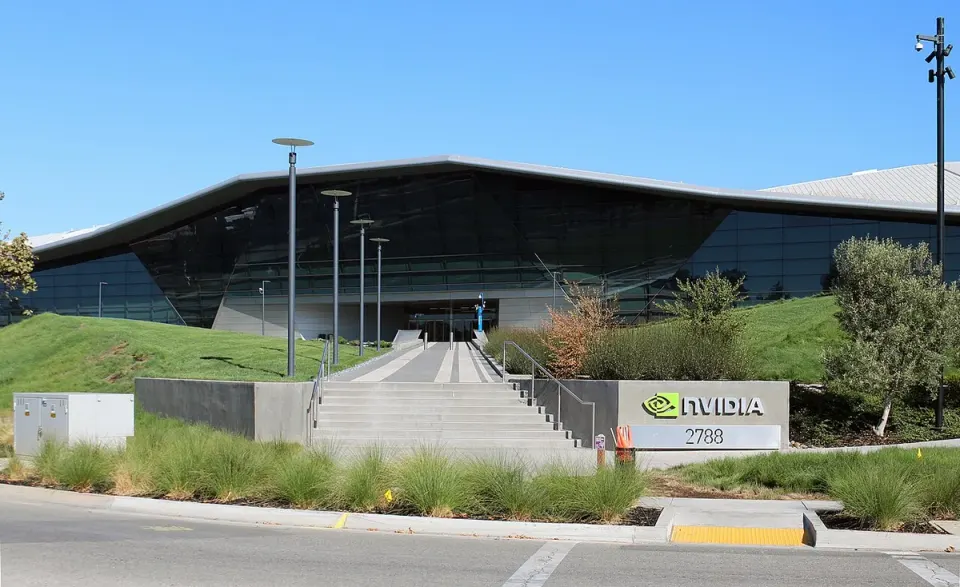
Adding to the sector's volatility, Anthropic’s upcoming IPO prospectus has been described by investors as a "dystopian science fiction" narrative, highlighting the existential risks associated with advanced AI. While Ark Invest has been selling off Nvidia shares—divesting approximately $85 million recently—it has shifted focus toward other on-chain crypto and tech stocks. For the Iranian reader, this global tech turbulence matters because it dictates the risk appetite of international investors. A slowdown in the AI sector or a crash in major tech stocks often leads to a flight to quality, which historically strengthens the US Dollar against emerging and sanctioned currencies like the Toman.
Data Breaches and the Erosion of Institutional Trust
In a story highlighting the growing risks of digital centralization, the National Health Service (NHS) in England has reported over 3,000 incidents of staff "snooping" on private patient records over the last five years. This revelation has sparked a massive outcry from privacy advocates who argue that such breaches erode the fundamental trust between citizens and state institutions. As more healthcare systems move toward AI-integrated databases, the potential for unauthorized access increases, posing a significant risk to personal data sovereignty. This incident serves as a global warning about the vulnerabilities of large-scale digital infrastructures that lack transparent oversight.
For the broader global economy, these breaches are more than just privacy concerns; they represent a significant liability for the digital economy. As trust in centralized institutions falters, there is a growing movement toward decentralized identity and on-chain data management. In markets like Iran, where digital censorship and data privacy are already sensitive topics, the global shift toward more secure, decentralized alternatives is likely to gain momentum. The NHS scandal reinforces the argument that without robust, automated protections, human curiosity and malice will remain the weakest links in any digital security chain.
Frequently Asked Questions
چرا قیمت طلا با وجود اخبار جنگی کاهش یافته است؟
اهمیت پایگاه علیالسالم کویت در این درگیری چیست؟
خروج جنسن هانگ از انویدیا چه تاثیری بر سرمایهگذاران دارد؟
Understanding the Patriot Missile Defense System
The Patriot (Phased Array Tracking Radar to Intercept on Target) system is the United States’ premier ground‑based air‑defense platform, originally deployed in the 1980s to counter Soviet ballistic missiles. It combines a phased‑array radar, a command‑and‑control suite, and missile launchers that fire two primary types of interceptors: the PAC‑2 (hit‑to‑kill) and the newer PAC‑3 (hit‑to‑kill with kinetic energy). The radar can track dozens of targets simultaneously, providing a “fire‑and‑forget” capability that allows multiple missiles to engage a single incoming threat.
While Patriot excels against high‑altitude, high‑speed threats like aircraft and short‑range ballistic missiles, its effectiveness against low‑observable, slow‑moving small unmanned aerial systems (UAS)—the type of drones Iran has been fielding—has been a subject of debate. Drones can fly at low altitudes, use terrain masking, and present a small radar cross‑section, making them harder for traditional radar to detect and prioritize. To address this gap, the U.S. and its allies have integrated counter‑UAS (C-UAS) solutions, such as directed‑energy lasers, electronic jamming pods, and dedicated short‑range missile systems, often mounted alongside Patriot batteries.
In recent incidents, such as the reported strike on the Ali Al Salem Air Base in Kuwait, Iranian drones reportedly targeted Patriot batteries, highlighting both the strategic importance of these systems and their vulnerabilities. The attack underscores a broader trend: adversaries are increasingly using swarms of inexpensive drones to overwhelm sophisticated air‑defense networks, forcing a shift toward layered defense architectures that combine traditional missile interceptors with agile C‑UAS technologies.
For policymakers and defense planners, the key lesson is that air‑defense must be multi‑layered. Relying solely on long‑range missile systems like Patriot can leave gaps against low‑altitude, low‑cost threats. Integrating radar upgrades, AI‑driven threat classification, and rapid‑response C‑UAS assets creates a more resilient shield capable of protecting critical assets—such as forward operating bases and strategic infrastructure—from the evolving drone menace.
Topics
Related Articles