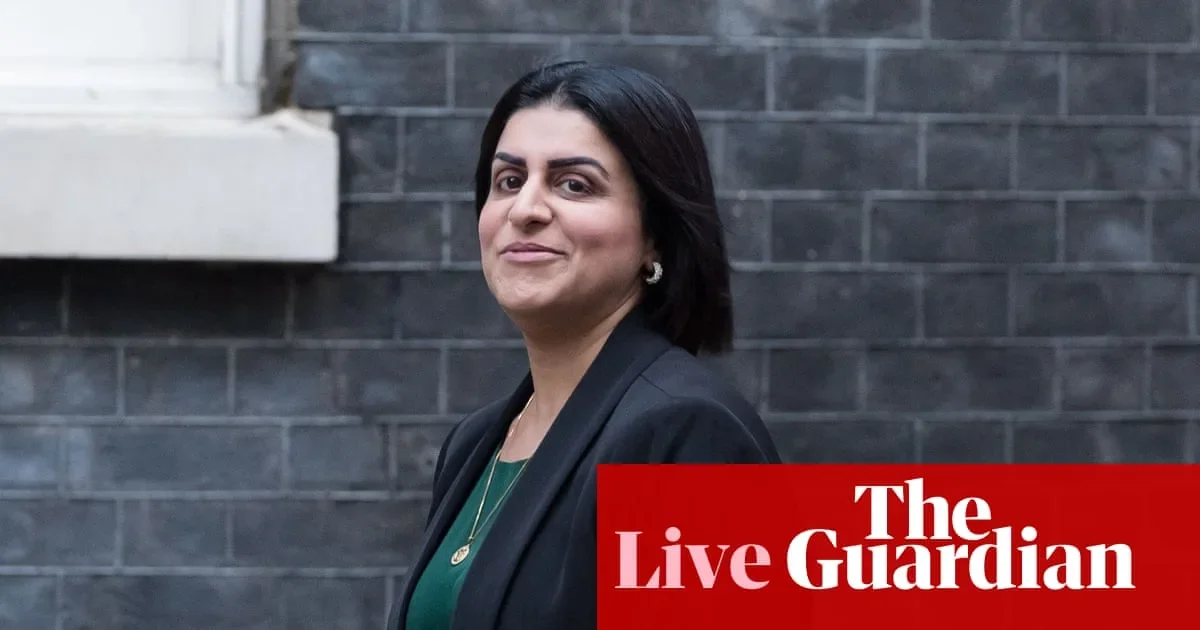
Shenzhen Summit Under Shadow of Dirty-Bomb Allegations as Gold Slips 1.2%
سایه اتهام «بمب کثیف» بر نشست شنژن؛ طلا ۱.۲ درصد عقبنشینی کرد
As Trump, Xi, and Putin prepare for a historic trilateral meeting in Shenzhen, new allegations of an Iranian 'dirty bomb' plot have spiked tensions. Meanwhile, gold prices in Iran have dropped 1.2% as markets weigh geopolitical risks against a steadying dollar.
At time of publishing
USD
267,000
Toman
Gold 18K
24.46M
Toman / gram
Bitcoin
$64,138
US Dollar
Tether
269,808
Toman
The Shenzhen Trio and the 'Dirty Bomb' Shadow
President Donald Trump has arrived in the Chinese tech hub of Shenzhen for the APEC summit, setting the stage for what many are calling a modern-day Yalta Conference. The world is watching as Trump prepares to meet with Chinese President Xi Jinping and Russia’s Vladimir Putin. The stakes are extraordinarily high, with the leaders expected to discuss the ongoing wars in Ukraine and the Middle East, as well as global nuclear disarmament. However, the atmosphere has been further electrified by Trump's recent comments regarding intelligence reports. He stated that the U.S. is taking "seriously" reports that Iran might be planning a "dirty bomb" attack in Washington, D.C., a claim that the Iranian Foreign Ministry has dismissed as "baseless" and provocative.
This meeting in Shenzhen is not just about diplomacy; it represents a potential redrawing of the global order. Critics and observers from Eastern Europe, the Baltic states, and Taiwan are reportedly nervous that their security interests could be sacrificed in a complex geopolitical trade-off between the three superpowers. The concept of "Chinamaxxing," which Xi is championing at the summit, suggests a future where China is the central node of global trade, potentially leaving the European Union in what Putin described as a "humiliating decline." For Iranian observers, the outcome of these talks could dictate the next phase of sanctions or diplomatic isolation, especially given the gravity of the dirty-bomb allegations looming over the proceedings.
UK’s 'Two-Tier' Policing Crisis and Social Stability
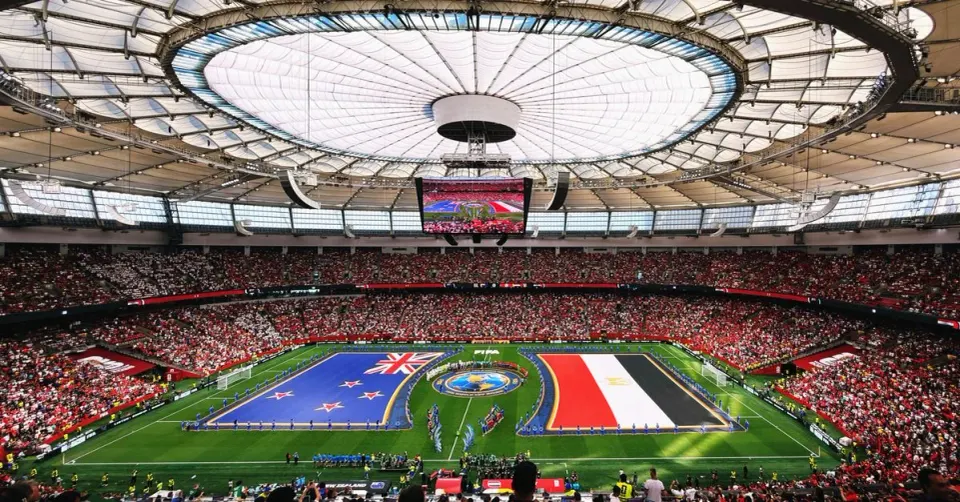
In the United Kingdom, Home Secretary Shabana Mahmood is set to deliver a pivotal speech to the National Police Chiefs’ Council, addressing a "corrosive and growing perception" of two-tier policing. This term refers to the belief among segments of the public that law enforcement treats different groups—often divided by political affiliation or ethnicity—with varying degrees of leniency or severity. This debate has gained significant traction following recent protests and civil unrest in the UK, creating a sense of social friction that Mahmood aims to de-escalate. The government is under pressure to prove that the rule of law remains impartial, a cornerstone of British democratic stability.
Why does this matter to the global reader? The UK remains a critical financial and diplomatic hub. Any perception of internal instability or a breakdown in the fairness of its judicial and policing systems can impact investor confidence and social cohesion. For the Iranian diaspora and those watching Western political trends, the UK’s struggle with internal social harmony serves as a barometer for how Western democracies are handling the pressures of migration, identity politics, and populist rhetoric. If the UK fails to address these perceptions, it could face a more fragmented social landscape, potentially leading to policy shifts that affect international trade and diplomatic priorities.
Crypto Justice and the Retreat of Gold
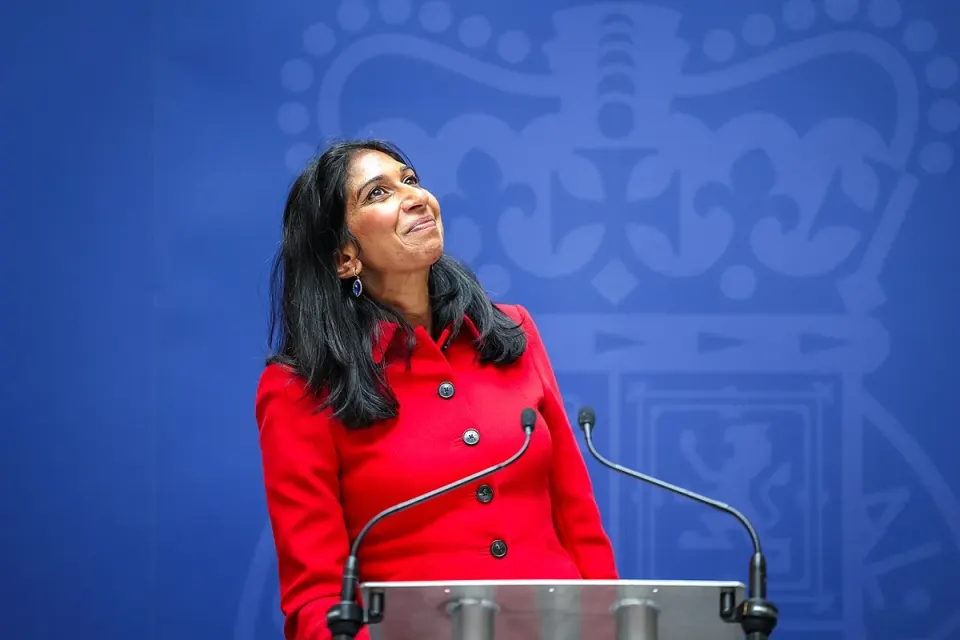
On the financial front, the legal system has finally caught up with one of the most notorious figures in recent crypto history. Tyler Buchanan, a Scottish hacker and member of the "Scattered Spider" group, has been sentenced to six years in prison in the United States. Buchanan was involved in a sophisticated phishing and SIM-swapping scheme that resulted in the theft of over $11.6 million in cryptocurrency. This sentencing highlights the increasing reach of international law enforcement in the digital asset space and serves as a warning to those exploiting the vulnerabilities of crypto holders. It also emphasizes the need for Iranian investors, who are increasingly turning to digital assets to hedge against inflation, to prioritize institutional-grade security for their holdings.
Meanwhile, the Iranian markets are showing a rare moment of cooling. Gold 18k per gram fell from 24,751,835 Toman to 24,463,271 Toman, marking a 1.2% decrease over the last 24 hours. This retreat comes despite the heightened geopolitical rhetoric in Shenzhen, suggesting that local traders might be taking profits or reacting to a slightly more stable USD/IRR rate, which moved only marginally from 266,700 to 267,000 Toman (+0.1%). Bitcoin, while steadying around the $64,000 mark, remains sensitive to the broader tech market's performance, particularly following Nvidia’s latest earnings report. The interplay between traditional safe havens like gold and the volatile crypto market continues to define the current investment landscape in Tehran.
Frequently Asked Questions
چرا قیمت طلا در ایران با وجود اخبار جنگ کاهش یافته است؟
اهمیت نشست شنژن برای ایران چیست؟
اتهام «بمب کثیف» چیست و چه تبعاتی دارد؟
Understanding Safe-Haven Assets in Times of Geopolitical Uncertainty
In an unpredictable global landscape, investors often seek refuge in what are known as safe-haven assets. These are investments expected to retain or even increase in value during periods of market turbulence, economic downturns, or geopolitical crises. The fundamental appeal of a safe haven lies in its perceived ability to protect wealth when other, riskier assets are declining. Historically, gold has been the quintessential safe-haven asset, a role it continues to play today amidst events like international summits shadowed by serious allegations.
Gold's enduring status as a safe haven stems from several unique characteristics. Unlike paper currencies or digital assets, gold is a tangible commodity with intrinsic value, scarcity, and a long history as a medium of exchange and store of wealth across diverse cultures. It is not subject to the credit risk of a particular government or corporation, nor can it be easily devalued by quantitative easing or inflationary policies in the same way fiat currencies can. This makes it a preferred choice for investors looking to hedge against inflation, currency depreciation, and systemic financial risks.
Typically, when geopolitical tensions escalate—such as "dirty-bomb allegations" or major international standoffs—investors tend to flock to gold, driving up its price. This "flight to safety" reflects a desire to move capital out of riskier investments (like stocks or emerging market bonds) and into assets perceived as more stable and reliable. The expectation is that in times of crisis, the demand for gold will rise as a universal store of value, independent of the specific political or economic woes affecting individual nations.
However, the relationship between geopolitical risk and gold prices is not always straightforward. While the general tendency is for gold to appreciate during crises, other market forces can sometimes exert counteracting pressure. For instance, a stronger U.S. dollar (another common, though less direct, safe haven) can make gold more expensive for holders of other currencies, potentially dampening demand. Similarly, rising real interest rates, profit-taking by short-term traders, or a perception that a crisis is being contained or is less severe than initially feared, can lead to gold prices slipping even amidst ongoing tensions, as might have been observed in the headline scenario. This complexity highlights that while gold offers a hedge, its price movements are influenced by a multifaceted interplay of global economic indicators, currency valuations, and investor sentiment.
Topics
Related Articles