Beyond Xinbi: A Step-by-Step Guide to Securing Your Crypto in Iran Amid Global Sanctions
فراتر از شینبی: راهنمای گامبهگام امنیت داراییهای دیجیتال در برابر تحریم و کلاهبرداری
The US seizure of the Xinbi marketplace and $52 million in crypto serves as a stark reminder of the risks inherent in centralized platforms. This guide teaches you how to move your assets to self-custody while navigating today's volatile 234,000 Toman exchange rate.
At time of publishing
USD
234,500
Toman
Gold 18K
24.22M
Toman / gram
Bitcoin
$78,175
US Dollar
Tether
234,422.381
Toman
The Xinbi Lesson: Why Centralized Platforms Are a Trap
Today's news that the US Department of Justice has sanctioned the Xinbi scam marketplace, seizing its Telegram channels and restraining over $52 million in cryptocurrency, should be a wake-up call for every Iranian investor. While Xinbi was specifically targeted for money laundering and scamming, the mechanism of the seizure—tracking 47 linked wallets and freezing centralized assets—highlights how vulnerable users are when they don't control their private keys. In the Iranian context, where the USD/IRR rate sits at a sensitive 234,500 Toman, losing access to digital assets isn't just a technical glitch; it is a financial catastrophe that wipes out years of savings.
Centralized exchanges (CEXs) and marketplaces often feel convenient, but for Iranians, they represent a double-edged sword. Not only are you at risk from the platforms themselves potentially being scams, but global regulatory bodies can freeze these entities at a moment's notice. When Bitcoin is trading at $78,175, the stakes are too high to leave your wealth in a 'black box' where you are not the true owner of the coins. If the platform is sanctioned or its liquidity is seized, your 'balance' on the screen becomes a meaningless number.

Step 1: Migration to Non-Custodial Wallets
The first and most critical step is moving your USDT and Bitcoin out of any centralized exchange or marketplace that requires a login. Non-custodial wallets, such as Trust Wallet or hardware options like Ledger and Trezor, allow you to hold your own 'seed phrase.' This 12 or 24-word phrase is the only thing that actually proves ownership of your crypto on the blockchain. Even if the wallet developer goes bankrupt or is sanctioned, your funds remain accessible through any other compatible wallet interface.
Given the current market context where Bitcoin ETFs have seen a second straight day of outflows totaling $120 million, the market is in a state of 'bull flag' consolidation. This is exactly the time when you should ensure your long-term holdings are secure. By moving your assets to a hardware wallet, you decouple your financial fate from the legal troubles of foreign entities. Remember: if you don't own the keys, you don't own the coins.
Step 2: Monitoring the 'Tether Gap' and Global Sentiment
In Iran, the price of USDT often deviates from the free market USD rate due to local demand and liquidity. Currently, with USDT at 234,422 Toman and the USD sell rate at 234,500, the gap is narrow, indicating a relatively stable demand environment despite the 0.4% dip in the Toman's value over the last 24 hours. However, global sentiment is shifting. While Bitcoin holds the $78,000 level, other major coins like Dogecoin have sunk 5%, led by rising Treasury yields and shifting global energy policies.
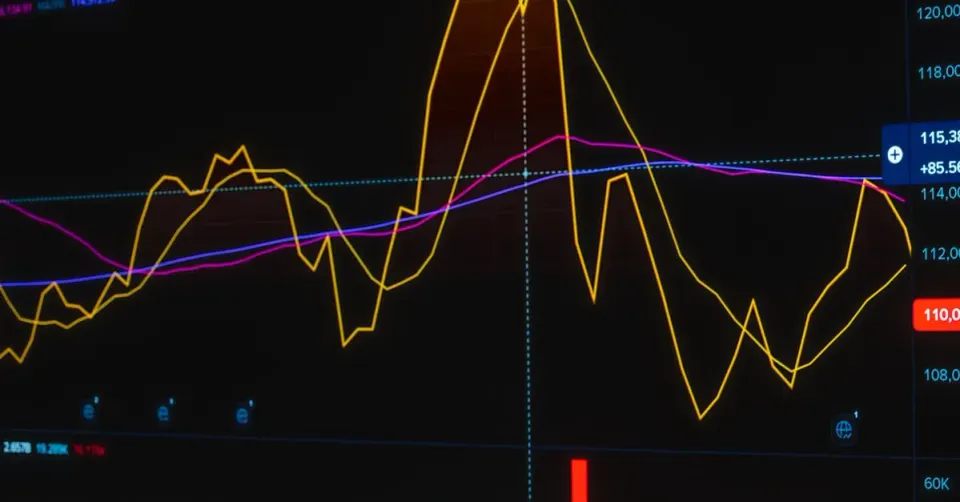
Investors should use free tools like TradingView to set price alerts for both the global BTC/USDT pair and the local USDT/IRR rate. This allows you to react to 'flash crashes' or sudden spikes without needing to keep your apps open all day. Furthermore, keep an eye on broader tech and climate news; for instance, the recent study showing climate feedback loops could worsen global warming by 30% suggests that energy-intensive industries, including crypto mining, may face stricter global regulations in the coming years, potentially affecting long-term supply dynamics.

Step 3: Hedging Against Local Depreciation
With Gold 18k trading at 24,223,186 Toman per gram and Emami coins at 241 million Toman, many Iranians use gold as a primary hedge. However, crypto offers a liquidity advantage that physical gold does not. If you are holding crypto to protect against the depreciation of the Toman, consider a 'barbell strategy': keep 70% of your holdings in stablecoins like USDT (stored in a cold wallet) and 30% in high-conviction assets like Bitcoin. This protects your purchasing power while allowing you to benefit from the current bull market.
As we see retail giants like John Lewis reporting widened losses of £124 million due to dipping shopper confidence, it is clear that the global economy is in a fragile state. In such times, the 'safest' asset is the one you can access instantly without a middleman. By following these steps—securing your keys, monitoring the local-to-global price gap, and diversifying your storage—you transform your crypto from a risky gamble into a resilient financial fortress.
Concept Diagram
Frequently Asked Questions
آیا صرافیهای ایرانی هم ممکن است دارایی کاربران را مسدود کنند؟
تفاوت کیفپول امانی و غیرامانی چیست؟
چرا قیمت تتر با قیمت دلار در بازار آزاد متفاوت است؟
Understanding Self-Custody of Cryptocurrencies
In the world of digital assets, the concept of self-custody is paramount, especially for individuals navigating complex financial landscapes or seeking true autonomy over their funds. Simply put, self-custody means you, and only you, hold the private keys to your cryptocurrency. Unlike keeping your funds on an exchange or with a third-party custodian, self-custody puts you in complete control, making you your own bank. This principle is fundamental to the decentralized ethos of cryptocurrencies like Bitcoin, empowering users to manage their assets without reliance on intermediaries that could be subject to hacks, insolvency, or governmental sanctions.
The primary advantage of self-custody lies in its ability to mitigate third-party risks. When your crypto is on an exchange, you effectively trust that entity with your funds. If the exchange is hacked, goes bankrupt, or freezes accounts due to regulatory pressure or sanctions, your assets could be at risk or inaccessible. Self-custody, by contrast, removes these vulnerabilities, offering censorship resistance and ensuring that as long as you secure your private keys, your funds remain yours and accessible, regardless of external events affecting financial institutions or borders.
Achieving self-custody typically involves using a cryptocurrency wallet where you control the private keys. The most secure method is often a hardware wallet, a physical device that stores your private keys offline, making them immune to online hacks. Other options include software wallets (desktop or mobile apps) or even paper wallets, though these require greater diligence in securing the physical or digital key information. Regardless of the method, the responsibility for safeguarding your private keys—which are essentially the proof of ownership for your crypto—falls entirely on you. Losing them means losing access to your funds forever, making careful backup and security practices crucial.
Understanding and implementing self-custody is not just a technical detail; it's a philosophical shift towards financial sovereignty. It demands a higher level of personal responsibility but offers unparalleled security and independence in return, particularly vital in environments where traditional financial systems might be unstable or restrictive. For anyone serious about digital asset security, mastering self-custody is an essential step.