
How to Hedge Against Toman Volatility Using Small-Scale Digital Assets and Fractional Gold
چگونه با سرمایه اندک در برابر نوسانات ریال بیمه شویم؟ راهنمای کاربردی تتر و طلای خرد
Global energy tensions between India and the US over Russian oil are shifting market sentiment. Learn how to use today's slight price dip to build a defensive portfolio using USDT and fractional gold without needing millions in capital.
At time of publishing
USD
229,200
Toman
Gold 18K
23.24M
Toman / gram
Bitcoin
$76,632
US Dollar
Tether
227,998
Toman
The Macro Backdrop: Why Global Tensions Impact Your Pocket
Today’s market is being shaped by a high-stakes geopolitical standoff. India has officially pushed back against United States threats of tariffs regarding its continued purchase of Russian oil. The Indian Foreign Ministry made it clear that energy security remains their priority, regardless of Washington’s attempts to squeeze Russian exports. For an Iranian investor, this isn't just international news; it's a signal of a shifting global financial order. When major economies like India defy the dollar-based sanction regime, it creates volatility in global energy prices and, by extension, the strength of the USD against emerging market currencies.
While the world watches the diplomatic spat between New Delhi and Washington, the local Iranian market has seen a slight cooling. Today, the USD sell rate dropped by 0.7% to 229,200 Toman, and 18k gold fell by 1.1% to roughly 23.2 million Toman per gram. In a market characterized by chronic inflation, these red candles are not a sign of a trend reversal, but rather a strategic window for those who missed the previous rally. Hedging is no longer a luxury for the wealthy; it is a survival tactic for anyone holding Rial.

Step 1: Utilizing USDT for Liquid USD Exposure
The first and most accessible tool for the average Iranian is Tether (USDT). Unlike physical dollar bills, which carry a high premium and storage risks, USDT allows you to peg your savings to the dollar with zero physical footprint. With the current USDT rate at 227,998 Toman, it is trading at a slight discount compared to the physical 'Sana' or open market rate. This 'gap' is your first win.
To hedge effectively without large capital, you should automate your savings. Instead of waiting to save 100 million Toman, convert small portions of your weekly income—even as little as 1 or 2 million Toman—into USDT. This strategy, known as Dollar Cost Averaging (DCA), protects you from the psychological trap of trying to 'time the bottom.' Given the uncertainty in the Middle East and the potential for 'space weaponization' and other high-tech risks discussed by global security researchers recently, keeping your assets liquid and digital is a prudent move against physical regional instability.
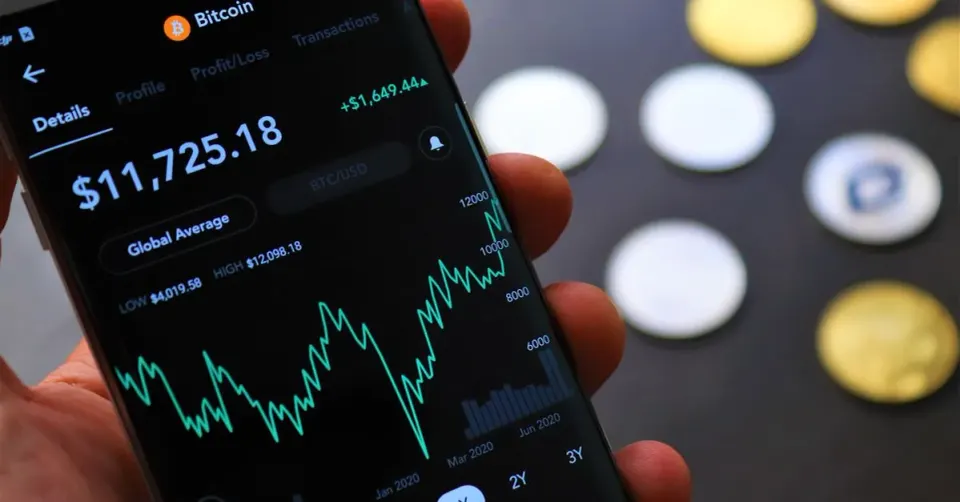
Step 2: Transitioning to Fractional Gold
While USDT protects against Toman depreciation, gold protects against the devaluation of the US Dollar itself. Today’s 1.1% drop in 18k gold is a prime example of why you should look at 'melted gold' (Abshodeh) or fractional digital gold rather than the Emami coin. An Emami coin currently sits at a staggering 232,000,000 Toman. For most young professionals, this is an unreachable target. However, many reputable Iranian platforms now allow the purchase of gold by the milligram.
By buying gold in small increments, you avoid the 'bubble' (Hobab) often associated with physical coins. The 'bubble' on an Emami coin can sometimes represent 15-20% of its price—money that is lost the moment the market cools. Melted gold or 18k gram purchases track the global ounce price more closely. With the gold ounce currently at $4,308.80, the global trend remains bullish despite local fluctuations. Diversifying between USDT for liquidity and fractional gold for long-term value is the most robust way to ensure your purchasing power doesn't vanish overnight.

Step 3: Monitoring the 'Black Swans'
Finally, a successful hedging strategy requires staying informed about 'Black Swan' events. The recent reports from Microsoft and Anthropic regarding 'silicon species' and the potential for uncontrolled AI to rival human decision-making suggest that the next decade's volatility might not just be economic, but technological. Similarly, as the IRGC warns of 'firm responses' to any enemy miscalculations, the geopolitical risk premium in Iran remains high.
Use free tools like price alerts on your phone to track the 230,000 Toman resistance level for the USD. If the price breaks above this with high volume, it may be time to increase your hedge. Conversely, days like today, where we see a -0.7% to -1.1% pullback across the board, are the days to execute your buy orders. Don't wait for a crisis to act; the best time to build a shield is when the sun is out, however briefly it may shine.
Concept Diagram
Frequently Asked Questions
چرا خرید تتر از خرید دلار کاغذی بهتر است؟
آیا خرید طلای ۱۸ عیار بهتر از سکه امامی است؟
تنش هند و آمریکا چه ارتباطی به قیمت دلار در ایران دارد؟
Currency Hedging: Protecting Purchasing Power in Volatile Markets
Currency hedging is a financial strategy designed to protect an investor or entity from losses due to fluctuations in exchange rates. In simple terms, it's about minimizing the risk that a currency's value will depreciate significantly, thereby eroding the purchasing power of one's savings or investments. This strategy becomes particularly critical in economies experiencing high inflation and rapid currency devaluation, where the local currency's value can plummet against major international currencies, making imported goods more expensive and reducing the real value of domestic assets.
Traditionally, currency hedging involves complex financial instruments like forward contracts, options, or swaps, primarily utilized by large corporations or institutional investors engaged in international trade or investment. However, for individual investors in economies with restricted access to international financial markets or facing severe local currency volatility, alternative assets have emerged as practical hedging tools. These alternatives aim to provide a store of value that is less susceptible to domestic economic pressures and currency depreciation.
One such alternative is the use of stablecoins like USDT (Tether). USDT is a cryptocurrency designed to maintain a stable value relative to a specific fiat currency, most commonly the US Dollar. By holding USDT, individuals can effectively convert their local currency into a digital asset pegged to a more stable international currency, bypassing traditional banking channels and capital controls. This allows them to preserve their wealth in a form that is less vulnerable to the rapid depreciation of their national currency, offering a digital hedge against local economic instability.
Another accessible hedging tool is fractional gold investment. Gold has historically been considered a safe-haven asset, meaning its value tends to hold or even increase during times of economic uncertainty, inflation, and currency depreciation. Fractional gold allows individuals to invest in small portions of gold, making it accessible to a broader range of investors who might not be able to afford full gold bars or coins. This method democratizes access to a traditional inflation hedge, enabling individuals to diversify their portfolios and protect their purchasing power against the erosive effects of a volatile local currency.