Hormuz at the Brink: Iran Warns of Total Closure as Tensions Explode Following U.S. Strike
تنگه هرمز در آستانه انسداد؛ هشدار جدی امنیت ملی در پی حمله ادعایی آمریکا و جهش قیمت طلا
Global energy markets are on edge this morning after a top Iranian security official warned of a total closure of the Strait of Hormuz. This escalation follows reports of a U.S. strike on Iranian soil and intensifying rhetoric from Donald Trump regarding mysterious 'Pickaxe Mountain' sites.
At time of publishing
USD
192,700
Toman
Gold 18K
18.75M
Toman / gram
Bitcoin
$62,982
US Dollar
Tether
194,341
Toman
Market Open — Geopolitical Risk Drives Gold Higher
The Tehran market opened this Saturday with a palpable sense of caution as geopolitical headlines dominated the overnight cycle. The Iranian Toman showed surprising resilience against the US Dollar, with the greenback slipping slightly from 192,800 to 192,700 Toman, a marginal decrease of 0.1%. This stability in the currency market likely reflects heavy central bank intervention or a 'wait-and-see' approach by major traders before the week's full liquidity kicks in.
However, the real story lies in the gold market. 18-karat gold jumped by 0.9%, rising from 18,576,573 to 18,745,094 Toman per gram. This surge tracks a massive spike in global spot gold, which is currently trading at a historic $4,043.70 per ounce. Investors are clearly fleeing to safe-haven assets as the rhetoric between Tehran and Washington reaches its most volatile point in years. Meanwhile, Bitcoin remains in a 'choppy' phase, hovering near $62,982 as traders weigh the impact of potential regional instability on global liquidity.
The Hormuz Ultimatum: Security Officials Warn of Total Blockade
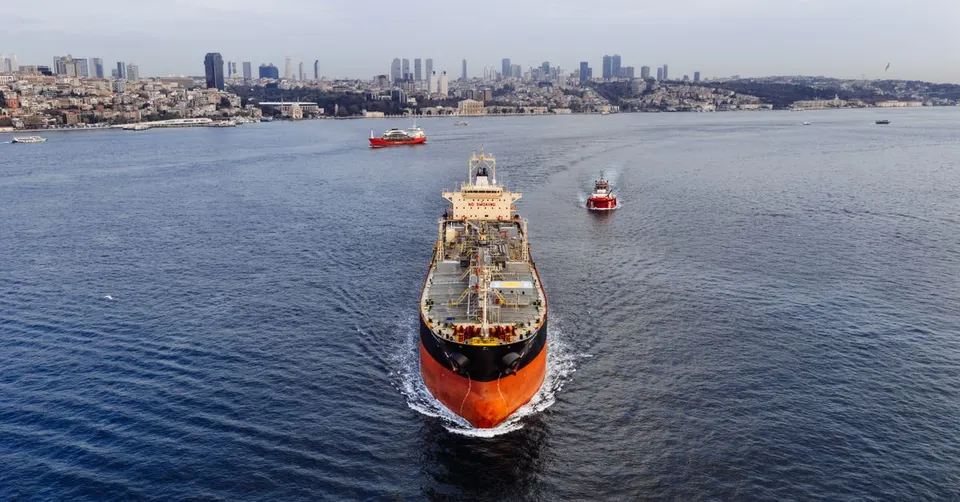
In a move that has sent shockwaves through global energy corridors, Mohammad Bagher Zolghadr, Secretary of Iran’s Supreme National Security Council, warned overnight that continued 'US warmongering' would lead to a further tightening and potential total closure of the Strait of Hormuz. According to reports from the state-affiliated IRNA, Zolghadr claimed that the maritime blockade is a direct response to what he termed U.S. aggression. This is not mere rhetoric; the Strait of Hormuz is the world's most important oil transit chokepoint, with nearly 20% of global oil consumption passing through its narrow waters daily. Any prolonged disruption would likely send Brent crude into triple digits almost instantly.
This escalation follows a deeply concerning report from the New York Times, which suggests that evidence indicates the U.S. dropped a high-capacity bomb on a residential area within Iran, resulting in the deaths of at least three civilians. While the U.S. military has not officially confirmed the specific target, the fallout from this kinetic action has unified various regional factions. The timing is particularly sensitive, as state media recently highlighted the funeral of the late Leader of the Islamic Revolution as a symbol of 'Shia unity,' suggesting that the domestic and regional political landscape is bracing for a protracted confrontation.
The 'Pickaxe Mountain' Mystery: Trump’s New Target?
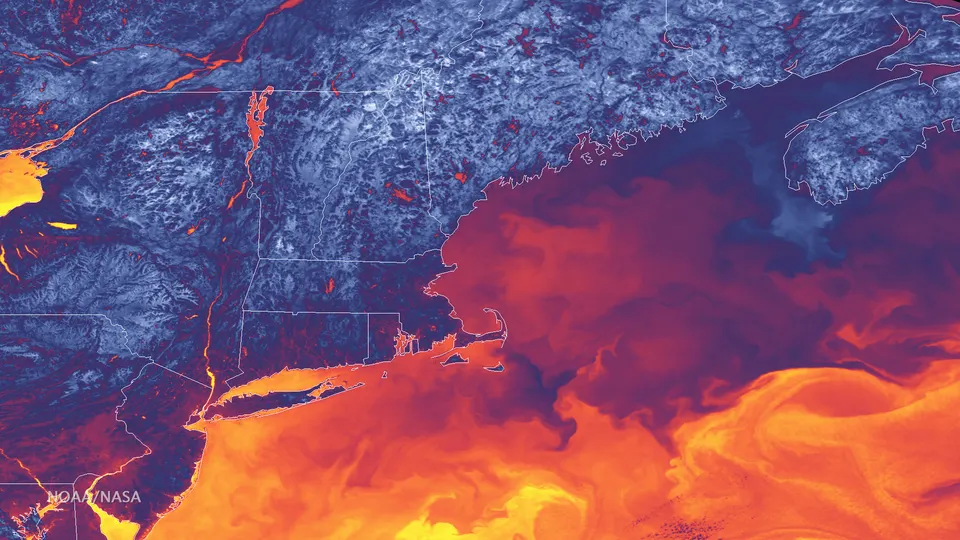
Adding a layer of surrealism to the brewing conflict, Donald Trump has repeatedly mentioned a site he calls 'Pickaxe Mountain,' threatening to target it with military force. BBC Verify has been working to identify the location, using satellite imagery to analyze reinforced underground structures in central Iran. While some analysts speculate the site could be a highly sophisticated cryptocurrency mining facility used to bypass sanctions, others fear it is a new tier of hardened nuclear or missile infrastructure. The ambiguity of the site’s purpose has only fueled Trump's aggressive stance, with him claiming at Camp David that the U.S. is 'hitting them very hard.'
For the average Iranian, this rhetoric translates directly into market anxiety. The fear is that a strike on such a facility—whether it is for mining Bitcoin or military purposes—would trigger a massive retaliatory cycle. This uncertainty is why we are seeing the 0.9% jump in local gold prices this morning. When the drums of war beat this loudly, the Toman's purchasing power becomes secondary to the physical security of gold coins and international assets. The 'choppy' behavior of Bitcoin, as noted by analysts, also reflects this confusion: is crypto a hedge against war, or a risk asset that will be sold off during a liquidity crunch?
Global Abyss: From French Megafires to Financial Stability
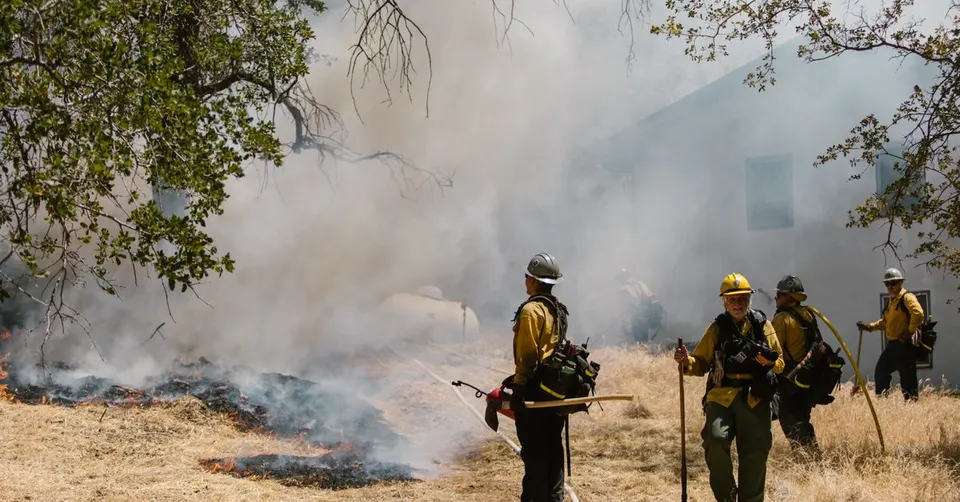
While the Middle East simmers, Western Europe is facing a different kind of existential threat. In France, firefighters are engaged in a 'war of attrition' against a 'megafire' near Bordeaux that has already displaced over 200,000 people. The scale of the destruction—over 42,000 hectares of forest—has led European Central Bank (ECB) officials to issue a rare and stern warning. Frank Elderson of the ECB stated that the climate crisis and the collapse of 'ecosystem services' now pose a direct threat to core financial stability. This marks a shift in how central banks view environmental disasters: they are no longer just tragedies, but systemic risks to the banking sector.
What this means for the global reader is a tightening of credit and a shift in investment flows. As the ECB begins to factor 'nature-related risks' into its stress tests, companies with high environmental footprints may find it harder to secure low-interest loans. Between the threat of a closed Strait of Hormuz and the economic fallout of European megafires, the global economy is staring into what French officials called 'an abyss.' For the Iranian reader, this global instability reinforces the need for a diversified portfolio that isn't solely dependent on local cycles or a single commodity.
Frequently Asked Questions
Why did gold prices jump while the US Dollar remained stable in Tehran?
What is 'Pickaxe Mountain' and why is it significant for markets?
How does the closure of the Strait of Hormuz affect the global economy?
Why is the ECB warning about climate change as a 'financial stability' risk?
Strategic Maritime Chokepoints: Why the Strait of Hormuz Matters
The Strait of Hormuz is one of the world’s most critical maritime chokepoints – a narrow sea passage that funnels a disproportionate share of global trade. Roughly 20% of the world’s oil consumption passes through this 21‑mile-wide corridor, linking the Persian Gulf’s prolific producers with markets in Europe, Asia and the United States. Because the waterway is so tight, any threat of closure—whether from military action, mines, or a deliberate blockade—creates immediate supply‑side anxiety that ripples through commodity markets.
When a chokepoint is perceived as vulnerable, traders price in a geopolitical risk premium. In August 2026, heightened U.S.–Iran tensions sparked rumors of a total Hormuz shutdown, and the price of gold, traditionally a safe‑haven asset, spiked sharply as investors fled the uncertainty surrounding oil supplies. The spike illustrates how a disruption in one commodity (crude oil) can affect seemingly unrelated assets through macro‑financial channels such as currency movements, inflation expectations, and portfolio rebalancing.
Historically, the Strait has been a flashpoint. During the 1980s Iran‑Iraq war, Iran mined the waters, prompting the U.S. Navy’s Operation Earnest Will to escort tankers. More recently, in 2019, a series of missile attacks on oil tankers briefly forced ships to reroute around the longer Cape of Good Hope, temporarily raising global oil prices by over $5 per barrel. These episodes underscore the strategic leverage that a nation can wield by threatening a chokepoint, and why governments maintain naval patrols and diplomatic pressure to keep the passage open.
The broader lesson for investors and policymakers is that geopolitical risk is a quantifiable factor in commodity pricing models. Analysts now routinely incorporate scenario analysis for Hormuz‑related disruptions when forecasting oil, natural gas, and even precious metals. Understanding the mechanics of chokepoints helps decode why a regional dispute can trigger worldwide price swings and why institutions like the ECB are increasingly assessing climate‑related financial risks that could intersect with geopolitical instability.
In short, the Strait of Hormuz exemplifies how geography, politics, and finance intertwine. A seemingly narrow strip of water can dictate the flow of energy, shape global markets, and influence the price of gold—making it a vital concept for anyone following international economics or investment strategy.
Topics
Related Articles