Nord Stream Trial Rocks Europe as Evidence Points to Ukraine; Tehran Markets Edge Higher on Saturday Open
سرنخهای اوکراینی در دادگاه نورد استریم؛ نوسان مثبت طلا و سکه در آغاز هفته تهران
A breakthrough in the Nord Stream sabotage investigation points toward a Ukrainian suspect in Hamburg, while Tehran's markets open the week with a 1.1% jump in Emami coins and a steady USD.
At time of publishing
USD
267,800
Toman
Gold 18K
26.67M
Toman / gram
Bitcoin
$82,772
US Dollar
Tether
266,577
Toman
Market Open — Saturday, October 10
The Tehran market opened this Saturday, October 10, 2026, with a cautious but upward bias in the precious metals sector. The US Dollar (USD/IRR) saw a marginal increase of 0.1%, moving from 267,400 to 267,800 Toman. While the currency remained relatively stable, gold and coins showed more significant momentum. Gold 18k per gram rose by 0.6% to reach 26,674,823 Toman, tracking a global gold ounce that remains exceptionally high at $4,195.60.
The standout performer this morning is the Emami coin, which surged by 1.1% over the last 24 hours, climbing from 270,000,000 to 273,000,000 Toman. This jump suggests a local hedging sentiment as investors look toward physical assets amid shifting regional rhetoric. Meanwhile, in the digital space, Bitcoin continues its institutional consolidation phase, trading at $82,772, maintaining its position as a dominant global liquidity sink despite lower volatility compared to previous cycles.
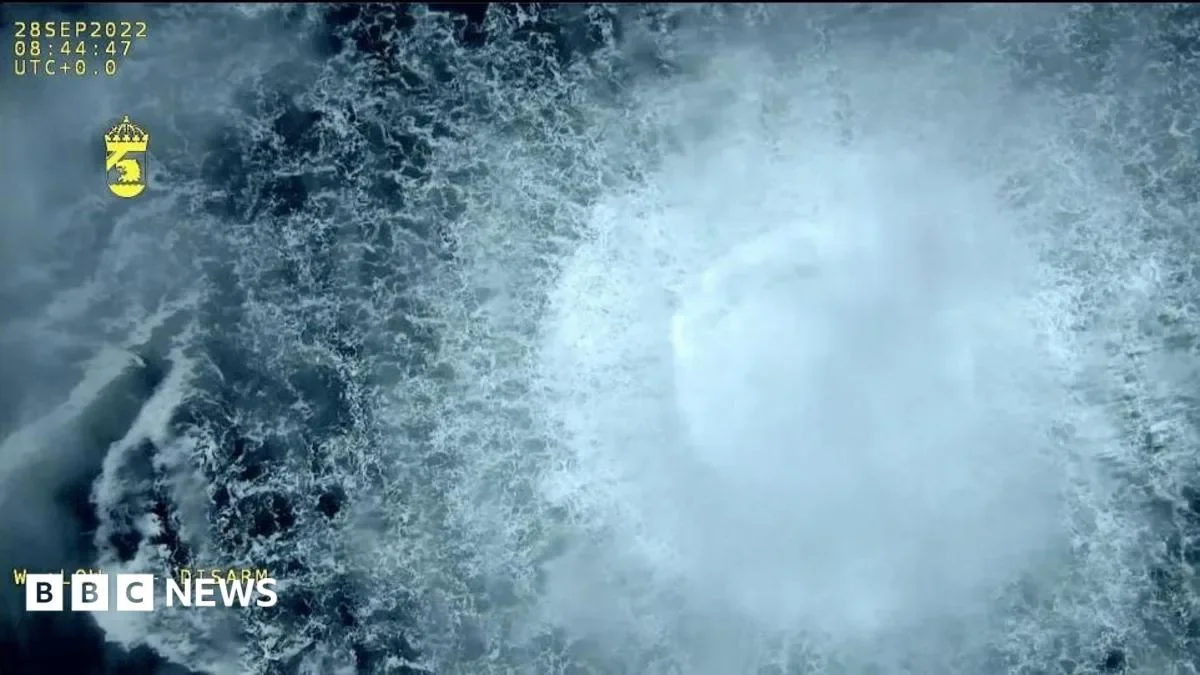
Nord Stream Sabotage: The Ukrainian Trail in Hamburg
After four years of international mystery and geopolitical finger-pointing, the investigation into the Nord Stream pipeline explosions has reached a critical turning point. German authorities in Hamburg have brought a Ukrainian man to trial, accusing him of direct involvement in the sabotage of the undersea pipelines that once funneled Russian gas to Europe. This development is not just a criminal proceeding; it is a diplomatic landmine. For years, Western allies have debated whether the attack was a Russian 'false flag' or a rogue Ukrainian operation. The evidence now being presented in court suggests the latter, potentially straining the relationship between Berlin and Kyiv at a sensitive moment in the ongoing conflict.
The trial reveals how German federal police painstakingly reconstructed the movements of a small sailing yacht and analyzed forensic data to trace the suspects. What this means for the broader world is a potential shift in European energy policy and security alliances. If a Ukrainian link is definitively proven in a court of law, it could embolden political factions in Germany that are already skeptical of continued military and financial aid to Ukraine. For energy markets, it serves as a stark reminder of the vulnerability of critical infrastructure, keeping the 'risk premium' on natural gas prices elevated as winter approaches.

Tehran’s Diplomatic Duality: Warnings and Dialogue
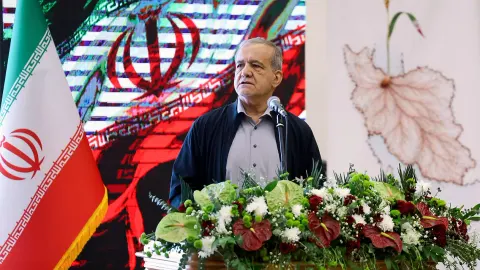
On the domestic front, the headlines are dominated by a sharp contrast in rhetoric from Iran's top officials. Parliament Speaker Mohammad Bagher Ghalibaf issued a stern warning to the United States, claiming that Washington will eventually "kneel" before Iran, echoing historical patterns of defeated empires. This hardline stance serves to satisfy the domestic conservative base and signal strength to regional adversaries. However, this was balanced by President Masoud Pezeshkian’s call for a more nuanced regional diplomacy. Pezeshkian emphasized that meetings should lead to genuine crisis management and conflict prevention, rather than just ceremonial dialogue.
This 'good cop, bad cop' dynamic is a familiar feature of Iranian foreign policy, but it carries extra weight today as the region remains on edge. For the average Iranian reader, this duality creates a complex environment for economic planning. While the President seeks to lower tensions—which would theoretically stabilize the Rial—the Parliament’s aggressive rhetoric keeps the threat of further sanctions or escalations alive. This tension is exactly what we see reflected in the 1.1% rise in coin prices this morning; the market is pricing in the possibility that diplomacy might not be enough to ward off future volatility.
Hurricane Isaias Slams Florida: A Test for US Infrastructure
In the United States, Hurricane Isaias has made landfall near Destin, Florida, as a powerful Category 2 storm. With sustained winds of 105 mph and life-threatening storm surges of up to 7 feet, the storm is currently hammering the Gulf Coast. Beyond the immediate humanitarian concern, this is a significant economic event. The Gulf of Mexico is a critical hub for US energy production and refining. While crude oil production is at record highs, any disruption to refining capacity could worsen the existing diesel crisis, where inventories are already at 20-year lows.
FEMA is facing its first major test of the season, and the economic fallout could ripple through global markets. If the storm causes long-duration power outages or damages port infrastructure, we could see a spike in logistics costs and energy prices. For Iranian observers, US domestic instability or economic shocks often translate into shifts in US foreign policy focus or changes in global oil demand, making the path of Isaias a relevant factor even thousands of miles away.
Frequently Asked Questions
چرا قیمت سکه امامی بیش از دلار رشد کرده است؟
اثبات نقش اوکراین در انفجار نورد استریم چه تأثیری بر بازار دارد؟
آیا طوفان ایسایاس بر قیمت بنزین در ایران اثر میگذارد؟
Understanding Iranian Financial Markets: The Saturday Open and Key Local Indicators
For most of the global financial world, the trading week commences on Monday and concludes on Friday. However, the mention of "Tehran Markets Edge Higher on Saturday Open" immediately signals a unique characteristic of Iran's financial landscape. Due to the observation of Friday as the main weekend day in Iran, in line with the Islamic calendar, the Tehran Stock Exchange (TSE) and other local markets typically operate from Saturday through Wednesday. This distinct calendar means that Iranian markets often react to global events that unfold during their Friday holiday, leading to potentially significant movements on their Saturday opening.
The Saturday opening is more than just a scheduling quirk; it reflects a different rhythm of economic activity and information processing. While global markets might have digested a week's worth of news by Friday close, Iranian investors are often responding to a concentrated influx of international and domestic developments that occurred during their extended weekend. This can lead to sharp adjustments, as seen when markets "edge higher" or lower, depending on the nature of the news, from commodity price shifts to geopolitical announcements.
Beyond the trading calendar, local indicators like the "Emami Coin Price" offer crucial insights into the Iranian economy. The Emami gold coin is a widely recognized and traded asset in Iran, often serving as a barometer for inflation, currency stability, and investor sentiment. In an economy frequently subject to sanctions, currency fluctuations, and high inflation, gold coins like the Emami become a popular hedge against economic uncertainty, reflecting a deep-seated preference for tangible assets over volatile fiat currency. Its price movements are closely watched by both ordinary citizens and market analysts as a real-time indicator of economic health and public confidence.
Understanding these unique aspects—the Saturday-Wednesday trading week and the significance of local commodities like the Emami coin—is essential for anyone seeking to comprehend the dynamics of Iranian financial markets. They are not merely isolated features but interconnected elements that reflect a broader economic environment shaped by local customs, geopolitical pressures, and the constant search for stability amidst change.