The Shenzhen Trio: Xi, Putin, and Trump Redraw the Map as Gold Dips and Oil Defies Geopolitical Tensions
سهگانه شنژن؛ تقسیم غنایم جهانی میان شی، پوتین و ترامپ و واکنش سرد بازارها به تنشهای ایران
As world leaders gather for a high-stakes APEC summit in Shenzhen, a potential 'new Yalta' agreement threatens to reshape global alliances. Meanwhile, gold prices soften and oil remains surprisingly stable despite legal escalations between the US and Tehran.
At time of publishing
USD
266,700
Toman
Gold 18K
24.49M
Toman / gram
Bitcoin
$64,623
US Dollar
Tether
269,796
Toman
Market Open — Stability in Currency, Softness in Gold
The Iranian markets opened this Wednesday, November 18, 2026, with a sense of cautious anticipation. The US Dollar (USD/IRR) remains unchanged at 266,700 Toman, showing a 0.0% delta over the last 24 hours. This stagnation reflects a market that is 'holding its breath' as geopolitical giants meet in China. While the currency remains flat, the precious metals sector has seen a noticeable retreat. Gold 18k per gram dropped by 1.0%, falling to 24,493,282 Toman, while the Emami coin decreased by 0.4%, now priced at 251,000,000 Toman.
This downward movement in gold, despite the global uncertainty, suggests that local investors might be profit-taking or shifting liquidity toward other assets in anticipation of the APEC summit outcomes. Bitcoin continues to trade in a consolidated range at $64,623, reflecting a broader global crypto market that is looking for a fresh catalyst. For the Iranian observer, the primary focus remains the stability of the Rial against the backdrop of massive shifts in international diplomacy that could either tighten or loosen the current economic constraints.
The Shenzhen Summit: A New Yalta or a Global Carve-Up?
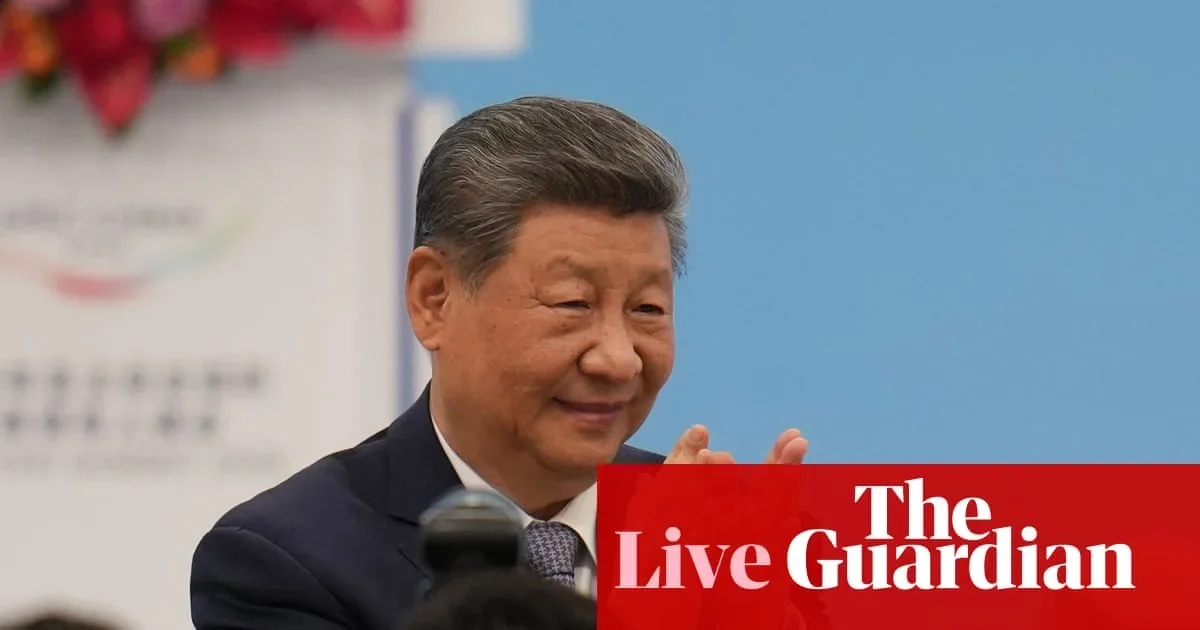
The eyes of the world are fixed on the Chinese tech hub of Shenzhen, where the APEC summit has become the stage for a historic meeting between President Xi Jinping, Vladimir Putin, and Donald Trump. Xi Jinping has opened the summit with a clear 'Chinamaxxing' message, advocating for global cooperation on AI and free trade, even as new US chip restrictions loom. The presence of Trump alongside the Russian and Chinese leaders has sparked intense speculation about a 'grand bargain'—a geopolitical trade-off that could redefine spheres of influence for decades to come.

For countries like Ukraine, Taiwan, and notably Iran, the mood is one of profound anxiety. As diplomatic correspondents have noted, if you are not at the table, you are likely on the menu. There is a growing fear that Trump, in his characteristically transactional style, might endorse a Putin-envisioned carve-up of interests in exchange for trade concessions from Beijing or a settlement in Eastern Europe. Marco Rubio, now Secretary of State, has added fuel to the fire by suggesting Trump is also serious about renewing direct talks with Kim Jong-un, signaling an era of 'leader-to-leader' diplomacy that bypasses traditional multilateral frameworks.
This summit is not just about trade; it is about the fundamental architecture of the 21st century. If a trilateral understanding is reached in Shenzhen, Iran could find its strategic patience tested. Any deal that stabilizes US-China trade or settles the Ukraine conflict could leave Tehran isolated if it is not integrated into the new arrangements. The market's current stability in Tehran might be the 'calm before the storm' as the private sector waits to see if Iran will be a participant in this new order or a victim of its consolidation.
Justice in Brooklyn: The Shadow of the Past Over Future Diplomacy
While the leaders talk in Shenzhen, the legal system in the United States continues to process the frictions of the past. Asif Merchant, a Pakistani national with alleged ties to Iran, was sentenced to over 27 years in a US prison on Tuesday. The Brooklyn court found him guilty of plotting to assassinate Donald Trump and other US officials in retaliation for the 2020 killing of Qassem Soleimani. This sentencing serves as a stark reminder of the deep-seated animosity and the 'blood feud' narrative that continues to complicate any potential diplomatic thaw between Washington and Tehran.
The timing of this sentencing is particularly sensitive. As Trump engages with Xi and Putin, the Department of Justice’s firm stance on the Merchant case reinforces the domestic political barriers to any 'grand bargain' involving Iran. For the incoming administration, balancing a desire for transactional foreign policy with the reality of assassination plots targeted at its own leadership is a narrow tightrope. This case keeps the 'terrorist state' label firmly attached to Tehran in the eyes of the US security establishment, making it difficult for even a deal-oriented Trump to offer significant sanctions relief without major concessions.
Oil’s Paradox: Prices Slide Despite Rising Tensions
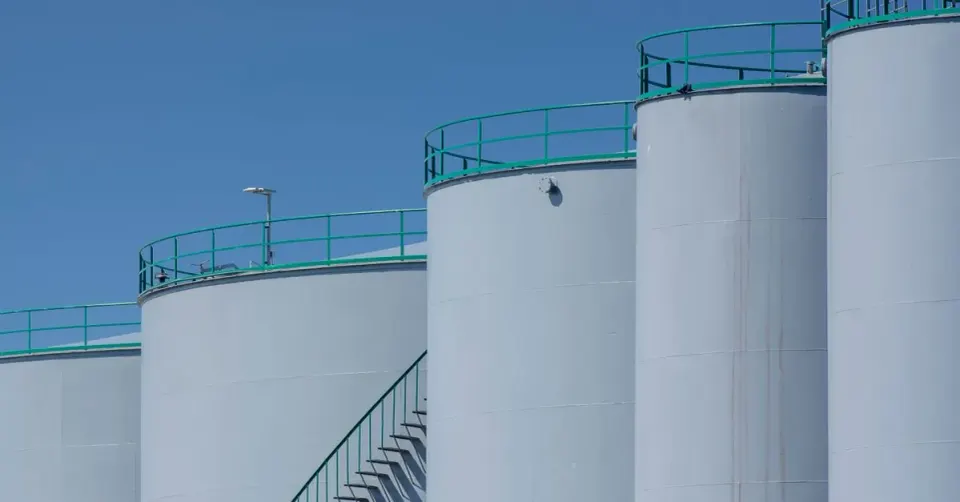
In a surprising turn for energy markets, crude oil prices have extended their decline despite the escalating rhetoric and legal battles between the US and Iran. Brent crude is currently trading at $92.49 per barrel, a sharp drop from the $100 levels seen just a month ago. The catalyst for this move was the American Petroleum Institute (API) report, which showed a significant build of 5.3 million barrels in US crude inventories. This suggests that despite the geopolitical 'noise,' global supply remains robust enough to offset the fear of regional disruptions.
For the Iranian economy, which remains heavily dependent on oil revenues (even through indirect channels), this price slide is a double-edged sword. Lower global prices reduce the overall revenue pool, even if export volumes remain steady. The market seems to be betting that the Shenzhen summit will lead to a more stable, if not more transactional, global environment, reducing the 'risk premium' that usually keeps oil prices elevated during times of US-Iran friction. If the inventory builds continue and a diplomatic breakthrough occurs in China, we could see oil test even lower supports, further pressuring the budgets of energy-exporting nations.
Frequently Asked Questions
چرا قیمت طلا در بازار ایران کاهش یافت؟
تاثیر اجلاس شنژن بر اقتصاد ایران چیست؟
چرا قیمت نفت با وجود تنشهای ایران و آمریکا کاهش یافته است؟
Understanding Geopolitical Risk and its Influence on Commodity Markets
Geopolitical risk refers to the potential for political instability, international tensions, conflicts, or other significant events between nations to disrupt global stability and economic activity. These risks can manifest in various forms, from trade wars and sanctions to military conflicts and leadership changes, and they often have profound and immediate effects on financial markets, particularly commodity prices. Investors and analysts constantly monitor geopolitical developments to anticipate their impact on supply chains, demand forecasts, and overall market sentiment.
For commodities like crude oil, geopolitical risk often translates into supply concerns. Major oil-producing regions, particularly the Middle East, are frequently at the epicenter of political tensions. Any threat to oil production or transit routes can lead to a sharp increase in prices, as markets anticipate supply shortages. Conversely, a reduction in perceived geopolitical risk, or an oversupply from other sources, can lead to price drops, even amidst lingering tensions. The headline's mention of "oil defies geopolitical tensions" suggests that other factors, such as global demand outlook or ample supply, might be overriding the typical risk premium.
Gold, on the other hand, traditionally acts as a "safe-haven" asset during times of heightened geopolitical uncertainty. When political risks escalate, investors often move capital out of riskier assets like stocks and into gold, which is perceived as a store of value that retains its worth even during economic or political turmoil. This increased demand drives up gold prices. Therefore, a "gold dips" scenario, as noted in the headline, could indicate a perceived de-escalation of certain global risks or a shift in investor confidence towards other assets, perhaps due to positive economic data or a belief that major powers are finding common ground.
The interplay between geopolitical developments, such as high-level summits involving leaders like Xi, Putin, and Trump, and commodity prices underscores the complex and interconnected nature of the global economy. These meetings can either exacerbate or alleviate tensions, directly influencing market perceptions of risk and, consequently, the valuations of critical commodities like oil and gold. Understanding this dynamic is crucial for anyone seeking to comprehend global economic trends.
Topics
Related Articles