Gold and IRR Entwined: Navigating the Uncertain Landscape
طلا و ریال در تعامل: بررسی چشمانداز اقتصادی
As global tensions rise, particularly between the US and Iran, the impact on gold and currency markets is becoming increasingly intertwined. With the 24-hour gold price change showing a -0.1% shift and the USD/IRR exchange rate increasing by 0.6%, understanding the nuances of these market movements is crucial. This article delves into the bullish and bearish cases for the USD/IRR and gold, considering real macro factors such as geopolitics and the global rate environment.
At time of publishing
USD
152,550
Toman
Gold 18K
17.84M
Toman / gram
Key figures
US Dollar
152,550
Iranian Toman
↑ 0.59% todayIntroduction to Current Market Dynamics
The recent 24-hour data shows the USD/IRR exchange rate has increased by 0.6%, from 151,650 to 152,550, while the gold price per 18k gram has decreased by 0.1%, from 17,850,547 to 17,836,003. These movements reflect the complex interplay between geopolitical tensions, particularly the US-Iran conflict, and market sentiments.
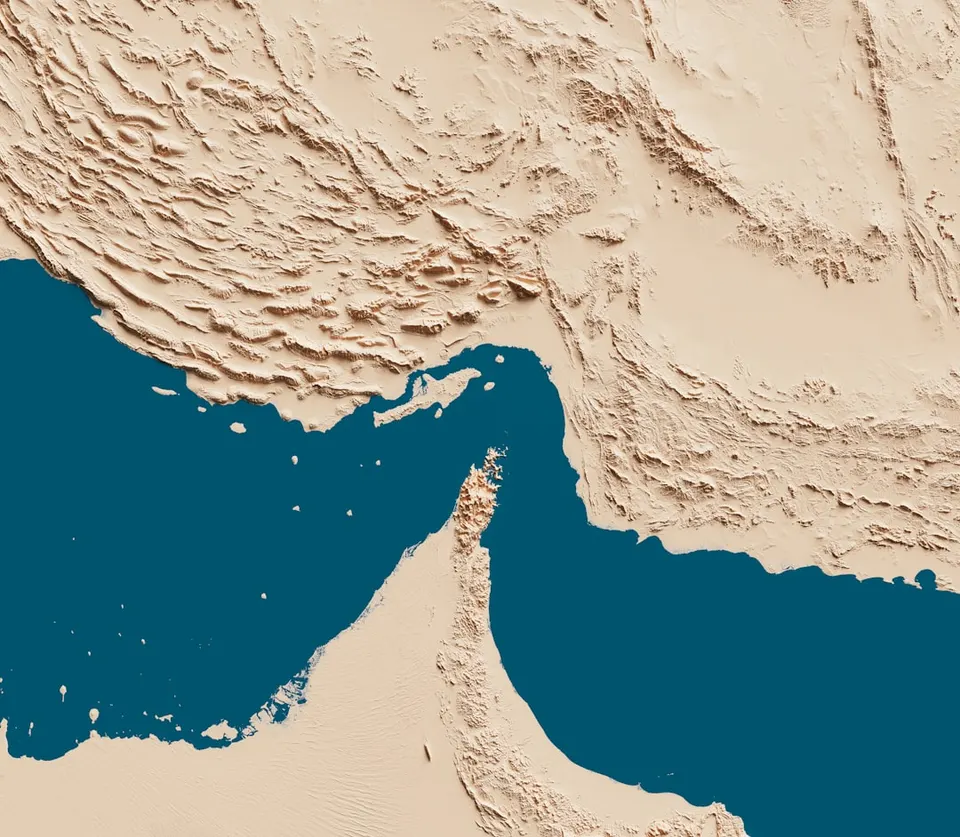
Considering the gold price, the slight decrease could be attributed to investors seeking safer havens due to global uncertainty, yet the minimal change also suggests a degree of market stability.
Bullish Case for USD/IRR and Gold
The bullish case for the USD/IRR is supported by the ongoing geopolitical tensions, which could lead to further currency fluctuations. As the US continues to apply pressure on Iran, the value of the USD might increase in relation to the IRR, especially if Iran's economy faces additional sanctions or if the conflict escalates. For gold, its traditional role as a safe-haven asset could see its value increase if investors become more risk-averse due to the escalating tensions.
Bearish Case for USD/IRR and Gold
On the other hand, the bearish case could be fueled by diplomatic efforts to resolve the US-Iran conflict. If talks between the two nations lead to a de-escalation of tensions, the demand for safe-haven assets like gold might decrease, potentially lowering its price. Similarly, a resolution or significant progress in talks could stabilize the IRR, potentially weakening the USD/IRR exchange rate.
The Impact of Global Events
The global rate environment, influenced by central banks' monetary policies, also plays a significant role in shaping these markets. The recent actions by the US Federal Reserve, for instance, can impact the strength of the USD, which in turn affects the USD/IRR exchange rate. Moreover, seasonal demand for gold, particularly during certain festivals and holidays in significant gold-consuming countries, can influence gold prices.
Understanding these factors is essential for navigating the complex landscape of currency and commodity markets, especially in times of heightened geopolitical uncertainty.
Conclusion and Forward Looking Analysis
In conclusion, the interplay between the USD/IRR exchange rate and gold prices is deeply influenced by geopolitical events, the global rate environment, and seasonal demand factors. As the situation between the US and Iran continues to evolve, along with other global economic factors, investors and market watchers must remain vigilant and adapt their strategies accordingly.
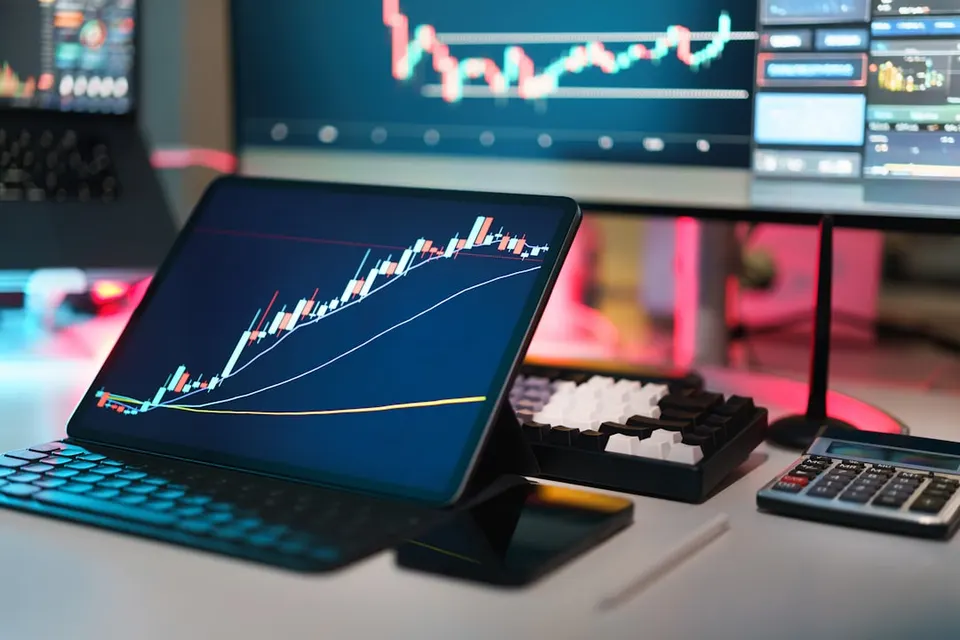
This nuanced view recognizes the potential for both bullish and bearish outcomes, depending on the trajectory of global events and economic policies. It is essential to stay informed about the latest developments and to consider multiple perspectives when analyzing these markets.
Frequently Asked Questions
What is the current USD/IRR exchange rate?
How has the gold price changed in the last 24 hours?
What are the main factors influencing the USD/IRR and gold markets?
Gold as a Safe‑Haven Asset: Why Investors Turn to Gold When Currencies Falter
Gold has long been regarded as a safe‑haven asset, meaning that investors buy it when confidence in other markets—especially currencies and equities—weakens. The metal’s value is denominated in U.S. dollars, so when a local currency like the Iranian rial (IRR) depreciates sharply against the dollar, the price of gold in that currency spikes. This relationship is why headlines that mention "USD/IRR" and "Gold Price" often move together: a weaker rial makes each ounce of gold cost more rials, while the dollar‑denominated price of gold may also rise due to broader market anxiety.
The attraction of gold intensifies during geopolitical tensions and periods of uncertain global rate environments. Central banks may cut or raise interest rates to manage inflation, but policy moves can be slow or contradictory, leaving investors seeking assets that preserve purchasing power. Gold does not yield interest, yet its price often climbs when real yields (interest rates adjusted for inflation) fall, reinforcing its role as a hedge against both inflation and currency risk.
Seasonal demand also plays a part. In many cultures, gold purchases increase around holidays and wedding seasons, adding a predictable upward pressure on price. Meanwhile, commodity markets react to supply‑side shocks—such as mining disruptions or changes in central bank reserves—further influencing daily price swings. Understanding how these factors intersect helps traders anticipate why gold might surge even when other assets are stagnant.
For policymakers and market participants, the key takeaway is that currency depreciation and gold price movements are tightly linked. When a currency like the IRR loses value, households and firms may shift savings into gold, amplifying demand and price. This feedback loop can exacerbate inflationary pressures in the local economy, creating a challenging environment for monetary authorities.
To navigate this landscape, investors monitor a mix of indicators: exchange‑rate trends, central‑bank rate decisions, geopolitical risk indices, and seasonal buying patterns. By keeping an eye on these signals, they can better gauge when gold is likely to act as a true safe haven versus when its price is driven by short‑term market noise.