
Hormuz Transit Regimes and Binance Disputes: Why the Toman Stays Flat While Gold Corrects
سایه رژیم جدید ترانزیتی هرمز و جنجال بایننس؛ چرا دلار درجا زد و طلا عقبنشینی کرد؟
As the USD/IRR exchange rate edges up by 0.1%, the Iranian market is reacting to news of a formalized transit regime in the Strait of Hormuz and a fresh Binance controversy. While gold prices see a 1.1% correction, the interplay between regional energy security and US-Iran peace talks remains the primary driver of volatility.
At time of publishing
USD
179,600
Toman
Gold 18K
19.58M
Toman / gram
Bitcoin
$76,695
US Dollar
Tether
17,710
Toman
Key figures
US Dollar
179,600
Iranian Toman
↑ 0.06% todayBitcoin
$76,695
US Dollar
The Friday Stalemate: Data vs. Sentiment
As of the evening session on Friday, May 22, 2026, the Iranian markets are exhibiting a curious mix of stagnation and sharp corrections. The USD/IRR exchange rate moved from 179,500 to 179,600, a marginal increase of 0.1%, suggesting a market that is largely in a 'wait-and-see' mode. Meanwhile, Gold 18k/gram experienced a more pronounced slide, dropping from 19,788,540 to 19,576,619 Toman, a 1.1% decrease. This divergence highlights a decoupling between currency stability and commodity volatility, as local investors weigh the impact of global gold prices—currently at $4,502.60 per ounce—against domestic geopolitical shifts. The Emami coin remained perfectly flat at 192,000,000 Toman, reinforcing the narrative of a market frozen by high-stakes international developments. Adding to the complexity is the latest friction in the crypto-financial sector. News that Binance is disputing a Wall Street Journal report regarding $850 million in transactions linked to Iranian financier Babak Zanjani has sent ripples through the local USDT market. With the Tether (USDT) price currently sitting at 17,710 Toman, the gap between the physical dollar and its digital counterpart remains narrow, but the reputational risks associated with major exchanges could tighten the screws on Iranian capital flight routes. This controversy arrives just as the market processes the legal discharge of a high-profile jury in the UK, a reminder that legal and regulatory unpredictability remains a constant shadow over international finance and individual security alike.
The Bullish Catalyst: Geopolitical Leverage and Energy Chokeholds
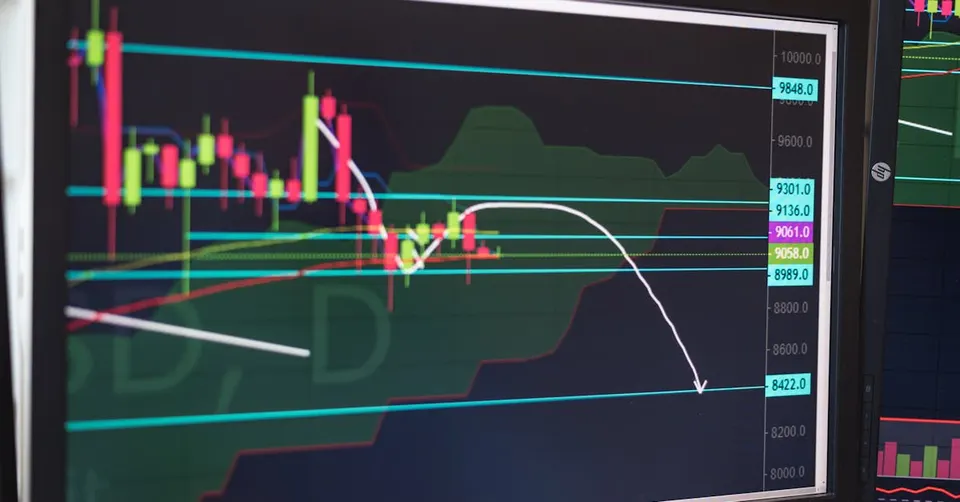
The primary driver for a potential upward move in the USD/IRR rate is the formalization of Iran’s dominance over the Strait of Hormuz. Reports indicate that the Islamic Republic is implementing a new transit regime, effectively taxing or controlling the flow of global energy through this vital chokepoint. In a world where Pakistan is already seeking to host crude reserve sites for Gulf producers to mitigate supply shocks, any friction in the Strait acts as a massive multiplier for risk premiums. If the market perceives these transit fees as a permanent fixture, the cost of imports will rise, and the Toman will likely face renewed downward pressure as the 'Hormuz Premium' is baked into every transaction. Furthermore, the political climate in Washington adds fuel to the bullish case for the dollar. With pressure mounting on the Democratic National Committee over delayed election reports and Marco Rubio attempting to reassure NATO allies amid Trump’s 'disappointment' with Middle East operations, the likelihood of a cohesive US policy toward Iran remains low. Markets loathe uncertainty, and as long as the US political landscape appears fractured, the 'Diplomacy Discount'—the hope that a deal will strengthen the Toman—remains a distant dream rather than a current reality. If peace talks in Ankara fail to yield a breakthrough, we could see the USD break past the 180,000 resistance level with ease.
The Bearish Pressure: Diplomacy and Global Corrections
Conversely, the bearish case for the dollar (and bullish for the Toman) rests on the thin thread of the upcoming US-Iran peace talks. Wall Street has already shown signs of optimism, with the Dow hitting record highs as investors bet on a diplomatic resolution. If these talks produce even a minor de-escalation or a partial lifting of secondary sanctions, the immediate psychological impact could drive the USD/IRR back toward the 170,000 range. The current 1.1% dip in gold prices suggests that some 'war fever' is already leaving the market, as traders rotate out of safe havens and back into riskier assets or cash in anticipation of a cooling regional climate. Additionally, the global energy market is undergoing structural shifts that might limit Iran's leverage. TotalEnergies’ move to sell massive stakes in European renewable portfolios signals a long-term pivot away from the very fossil fuels that give the Strait of Hormuz its strategic weight. While this doesn't change the price of bread in Tehran today, it suggests a global environment where oil-based blackmail has a diminishing shelf life. If Pakistan succeeds in establishing its own crude buffers, the immediate 'emergency' demand that spikes prices during Gulf tensions may be dampened, providing a more stable floor for the Toman in the long run.
The Arzbin Verdict: A Fragile Equilibrium
My nuanced view is that we are witnessing a 'calm before the storm.' The 0.1% move in the dollar is deceptive; it masks a massive amount of internal pressure. The Binance/Zanjani headlines are particularly concerning because they target the primary 'exit ramp' for Iranian capital. If major exchanges become even more restrictive, the demand for physical USD and gold coins within Iran will skyrocket, regardless of what happens in Ankara or Washington. However, the current correction in gold prices indicates that the local market is not yet in a state of total panic. This is an opinion and analysis, not financial advice, but the smart money seems to be hedging—holding some gold while keeping a close eye on the USDT/Toman spread. In the coming days, the two macro factors to watch are the specific terms of the new Hormuz transit regime and the tone of the NATO summit in Ankara. If the transit regime is seen as a 'soft' toll rather than a 'hard' blockade, the market may absorb the cost without a currency crash. But if the US responds with naval escalations, all bets are off. We are in a high-volatility environment where the technical charts matter far less than the headlines coming out of the Persian Gulf and the US State Department.

Frequently Asked Questions
Why did gold prices drop while the dollar remained stable today?
How does the Binance/Babak Zanjani news affect the average Iranian trader?
What is the 'Hormuz Transit Regime' mentioned in the reports?
Is the 180,000 Toman level a major resistance for USD/IRR?
Understanding Strait of Hormuz Oil Transit Fees and Their Economic Impact
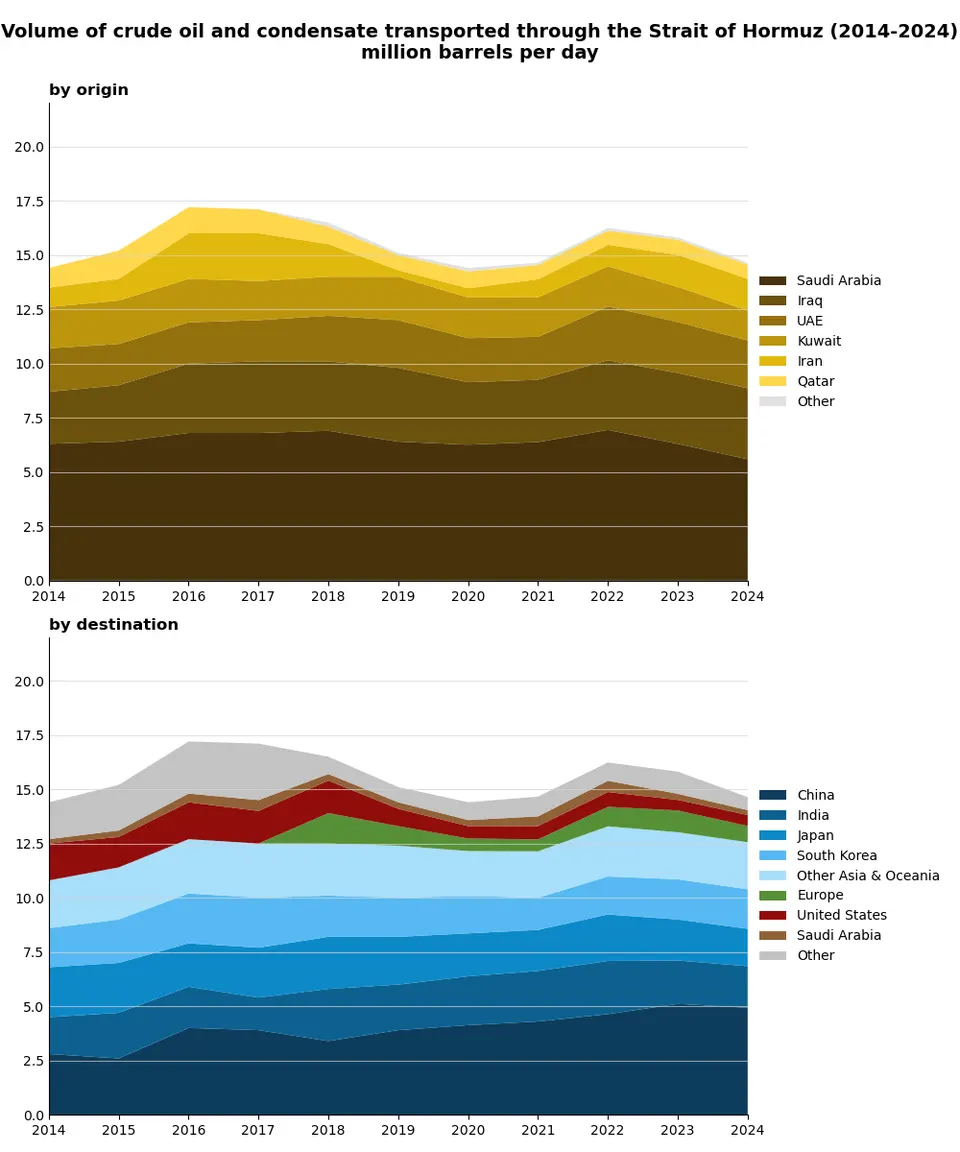
The Strait of Hormuz, a narrow waterway linking the Persian Gulf with the Gulf of Oman, is one of the world’s most critical chokepoints for oil transport. Every day, roughly 20% of global oil passes through this corridor, and the countries bordering the strait—primarily Iran and the United Arab Emirates—collect transit fees from vessels that use the route. A transit fee is a charge levied by a coastal state for the right to navigate its territorial waters, and it is typically calculated as a percentage of the cargo’s value or a fixed amount per barrel. For Iran, these fees have become a vital source of hard‑currency revenue, especially as sanctions limit its ability to sell oil directly on the international market.
Iran’s transit fee regime has evolved in response to both fiscal needs and geopolitical pressure. Historically, the fee hovered around 1–2 % of the cargo’s declared value, but in recent years Tehran has raised it to as high as 3 % to compensate for dwindling export earnings caused by U.S. sanctions. The higher fee not only boosts the government’s foreign‑exchange inflows—supporting the Iranian rial (IRR) and its digital counterpart, the Toman—but also influences global oil pricing. When transit fees rise, shippers may pass the extra cost onto buyers, subtly nudging up benchmark prices such as Brent or WTI.
The revenue from transit fees plays a direct role in the stability of Iran’s exchange rate. Because the fees are paid in hard currencies like the U.S. dollar, they provide a modest buffer against the severe depreciation that the rial has experienced. However, the effect is limited; the overall volume of transit traffic is small compared to Iran’s total oil export capacity, and sanctions often restrict the repatriation of these earnings. Consequently, the Toman can remain relatively flat even as other macro‑economic indicators, like gold prices, fluctuate sharply—a phenomenon observed in recent market data.
Understanding how transit fees work helps explain why discussions about the Strait of Hormuz surface in broader topics such as U.S.–Iran peace talks, regional oil logistics, and even cryptocurrency transactions linked to Iranian entities like Binance. Any shift in the fee structure, whether due to diplomatic breakthroughs or renewed sanctions, would ripple through oil markets, exchange rates, and even the valuation of assets like gold and stablecoins within Iran.