Gold Shines Amid Hormuz Hopes & Dollar Dip: Is Stability Real or Fleeting?
طلا در امیدهای هرمز و افت دلار میدرخشد: آیا ثبات واقعی است یا گذرا؟
Recent market data shows a slight dip in the USD/IRR while gold gains, signaling mixed investor sentiment. This comes as global attention focuses on easing gasoline prices and evolving U.S.-Iran diplomatic efforts concerning the Strait of Hormuz. We delve into the bullish and bearish cases for gold, analyzing macro factors that could shape its trajectory.
At time of publishing
USD
159,150
Toman
Gold 18K
16.19M
Toman / gram
Bitcoin
$64,870
US Dollar
Tether
158,681
Toman
Key figures
US Dollar
159,150
Iranian Toman
↓ 0.38% todayBitcoin
$64,870
US Dollar
Current Market Snapshot: Gold Shines as Dollar Dips Amid Hormuz Hopes
The past 24 hours have presented a fascinating, albeit subtle, shift in the Iranian market, hinting at underlying geopolitical and economic currents. The U.S. Dollar (USD/IRR) saw a slight retreat, moving from 159,750 Toman to 159,150 Toman, marking a modest decline of -0.4%. In stark contrast, the price of 18-karat gold per gram rose from 16,058,451 Toman to 16,185,419 Toman, registering a notable increase of +0.8%. Emami coin, however, remained flat at 163,500,000 Toman, suggesting a mixed sentiment within the precious metals sector, with raw gold showing more immediate responsiveness.
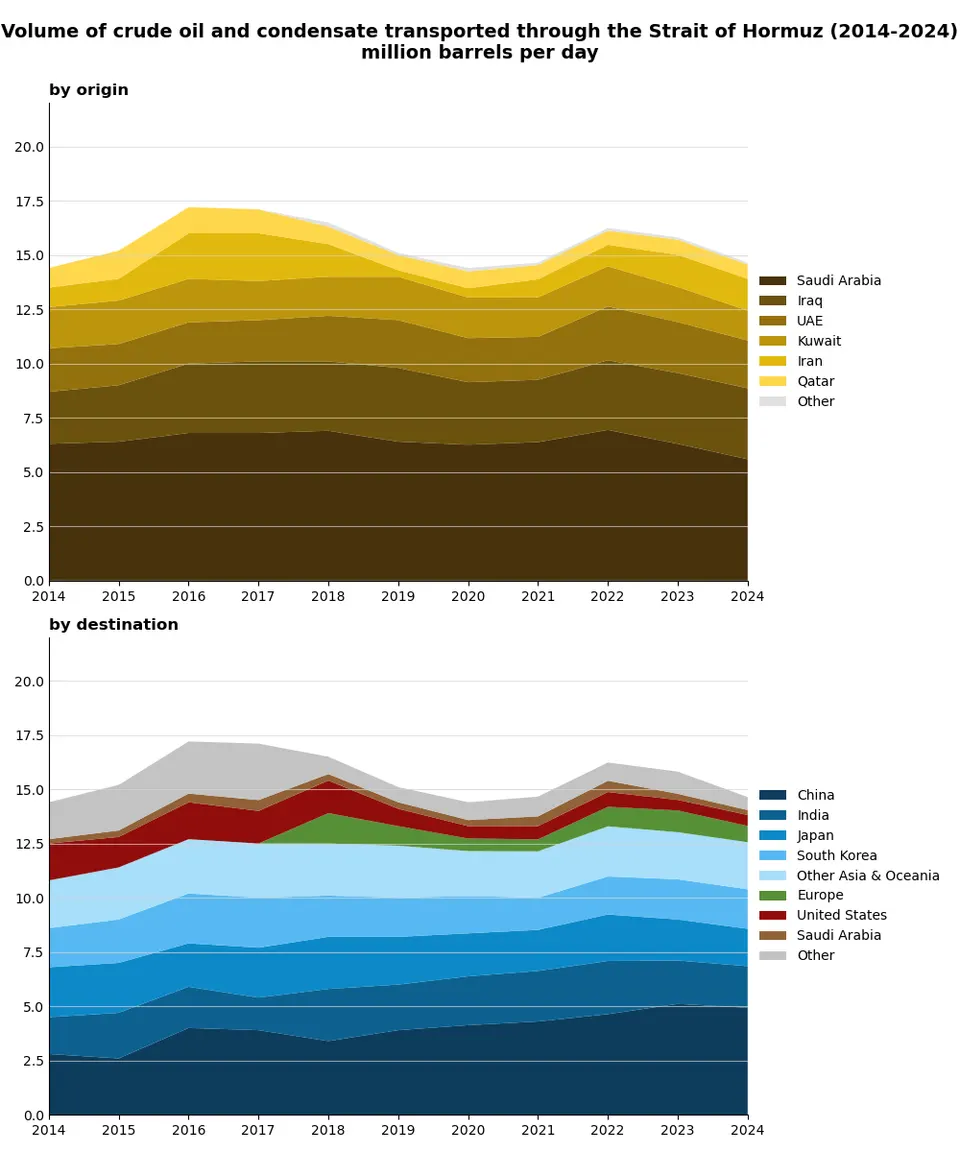
This divergence in performance comes as global attention remains fixated on the energy markets and the strategic Strait of Hormuz. Reports indicate that while gasoline prices have begun to ease from their crisis highs, a full return to "pre-war levels" is still a distant prospect, as highlighted by OilPrice [10]. This ongoing narrative underscores persistent, albeit perhaps diminishing, inflation concerns globally and within the region. The developing U.S.-Iran agreement, which has given traders reason to mark down crude prices in anticipation of reduced disruption, is clearly influencing market psychology, even as President Pezeshkian reiterates Iran's firm stance against "excessive demands" at the negotiating table [11].
The Bullish Case for Gold and Potential IRR Stability
The current market movements offer a compelling bullish argument for gold, even as the dollar shows a slight dip. Gold's 0.8% rise suggests that despite the nascent hopes for de-escalation in the Persian Gulf, investors remain wary of the underlying fragility of global supply chains and persistent inflationary pressures. The recent fuel crisis in Cuba, which has brought schools to a standstill due to U.S. oil blockades [8], serves as a stark reminder of how quickly energy disruptions can cascade into broader economic and social instability. Such global precedents reinforce gold's traditional role as a safe haven asset, especially when regional geopolitical risks, even if seemingly abating, still cast long shadows.
Furthermore, the global monetary policy environment provides additional tailwinds for gold. Comments from market analysts, such as those reported by MarketWatch, suggest that a bull market might not be derailed by Fed rate hikes, particularly under a potentially less aggressive Fed chair like Kevin Warsh [19]. If the Federal Reserve adopts a more dovish stance, or if the threat of rate hikes proves to be more rhetorical than real, the U.S. dollar could face downward pressure. A weaker dollar typically makes gold, priced in dollars, more attractive to international buyers, thereby boosting its demand and price. This interplay of geopolitical hedging and dovish monetary policy expectations creates a strong foundation for gold's continued appeal.
The Bearish Counter-Arguments and Risks for Gold
Despite gold's recent uptick, several factors could temper its enthusiasm or even lead to a reversal. The primary bearish catalyst would be a definitive and sustained de-escalation of tensions in the Strait of Hormuz, coupled with a tangible return of gasoline prices to "pre-war levels." If the developing U.S.-Iran agreement progresses smoothly and demonstrably reduces regional risk, the safe-haven premium currently embedded in gold prices could evaporate. Traders, who are forward-looking, have already begun pricing in a scenario of reduced disruption, and a full realization of this scenario could see capital flow out of gold and into riskier, growth-oriented assets.
Moreover, while some market commentators suggest the Fed might not aggressively hike rates, any unexpected hawkish pivot from global central banks could strengthen the dollar significantly. A robust dollar, driven by higher interest rates or a strong U.S. economic outlook, would naturally put downward pressure on gold. On the domestic front, any significant positive developments in Iran's economic outlook, perhaps spurred by successful diplomatic outcomes or new foreign investment (such as the "Iran move" by Bessent mentioned in Yahoo Finance [13], if interpreted as a positive capital inflow), could lead to increased confidence in the Toman. This could shift local investment away from gold as a hedge, particularly if the Toman stabilizes or strengthens, reducing the need for alternative stores of value. The broader market sentiment, exemplified by news like Micron's stock momentum building from a new Anthropic partnership [20], signals a healthy appetite for growth in the tech sector, potentially diverting investor interest from traditional safe havens.
Arzbin's Nuanced View: Navigating the Golden Crossroads
From Arzbin's vantage point, the current market landscape for gold and the dollar is a complex tapestry woven with threads of geopolitical hope and economic uncertainty. My opinion is that gold, despite the recent diplomatic overtures regarding the Strait of Hormuz, remains a highly relevant and crucial asset for investors seeking to hedge against persistent global and regional volatility. While the slight dip in USD/IRR and the easing of gasoline prices offer a glimmer of optimism, the path to "pre-war levels" is fraught with potential pitfalls and requires sustained, verified stability. The market's forward-looking nature means that any positive news is quickly priced in, but the actual implementation of agreements and the long-term impact on inflation are far from guaranteed.
The two most significant macro factors that could decisively tip the scales are, firstly, the actual, verifiable de-escalation and long-term stability in the Persian Gulf, particularly regarding the Strait of Hormuz and oil flows. A successful and enduring U.S.-Iran agreement that translates into tangible economic benefits and reduced regional risk would undoubtedly diminish gold's safe-haven appeal. Secondly, the global interest rate environment and the Federal Reserve's actual policy decisions will play a critical role. While some anticipate a less aggressive Fed, any unexpected hawkish shift or persistent global inflation could strengthen the dollar and pressure gold, or conversely, a truly dovish stance could further bolster gold. For now, the cautious investor might view gold's recent performance as a testament to its enduring value amidst a world still searching for true calm. We must reiterate that this is analysis, not financial advice, and market conditions can change rapidly.
Watch
‘Americans can expect continued declines in energy prices’: Chris Wright
ABC News