
Emami Coin's Ascent: West Bank Tensions and Iran's Strategic Tech Fuel Gold Demand
صعود سکه امامی: تنشهای کرانه باختری و فناوری راهبردی ایران تقاضای طلا را افزایش میدهد
Gold prices in Iran, particularly the Emami coin and 18k gold, experienced notable gains today, reflecting a broader market response to escalating geopolitical tensions. Developments in the West Bank and Iran's strategic technology announcements are contributing to a heightened demand for safe-haven assets. This report analyzes the forces driving gold's current trajectory and offers a nuanced outlook for investors.
At time of publishing
USD
262,100
Toman
Gold 18K
26.13M
Toman / gram
Bitcoin
$82,140
US Dollar
Tether
260,320
Toman
Key figures
US Dollar
262,100
Iranian Toman
↓ 0.04% todayBitcoin
$82,140
US Dollar
The Current Landscape: Gold Rises Amidst Regional Unease
Today, Monday, October 19, 2026 (دوشنبه ۲۷ مهر ۱۴۰۵), the Iranian gold market showed resilience, with the 18k gold per gram rising from 25,852,994 Toman to 26,127,706 Toman, marking a significant +1.1% increase over the last 24 hours. The Emami coin also saw a modest gain, moving from 266,000,000 Toman to 266,500,000 Toman, up +0.2%. In contrast, the USD/IRR exchange rate remained largely stable, trading at 262,100 Toman for sell, showing a negligible 0.0% change from its previous 262,200 Toman. This divergence highlights a clear preference for gold as a safe haven, even as the national currency holds its ground against the dollar.
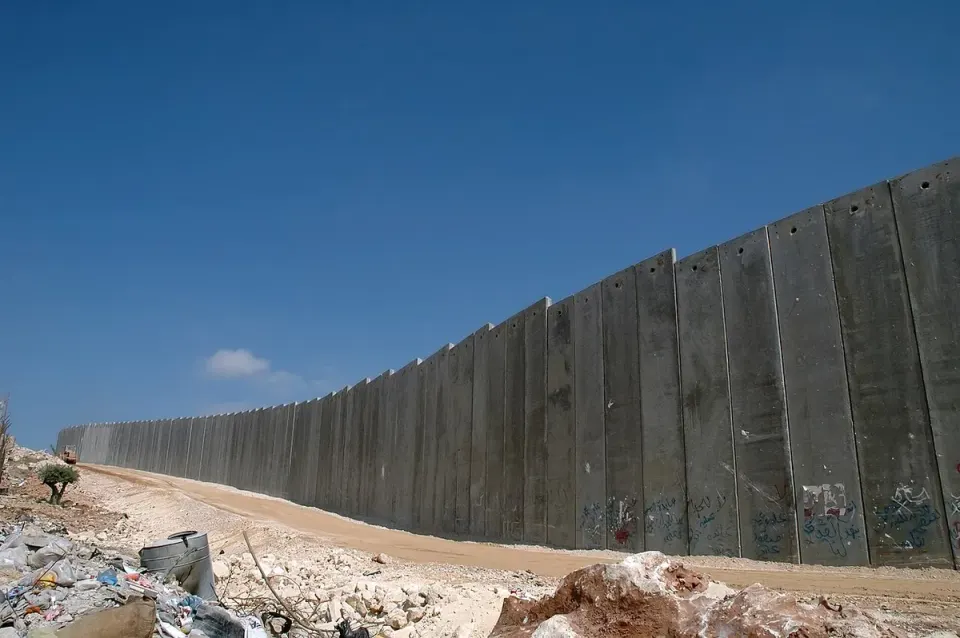
This upward movement in gold prices is not occurring in a vacuum. A recent report from the New York Times indicated that Israeli Police detained 10 individuals over violent settler attacks in the West Bank [12]. Such incidents invariably ratchet up regional tensions, fueling uncertainty across the Middle East. Simultaneously, Iran's nuclear chief, Mohammad Eslami, congratulated the new defense minister, Mehrdad Akhlaghi Ketabchi, and stressed strategic technology development, as reported by IRNA [6]. These signals, while internal, contribute to the broader geopolitical narrative surrounding Iran's strategic posture, which can indirectly influence market sentiment and risk premiums. The cumulative effect of these regional developments, coupled with broader global uncertainties like French Prime Minister's calls for 'local and partial' curfews amidst protests to secure fuel supplies [3, 7, 9] and the ongoing political saga surrounding Catalonia's former rebel president [13], paints a picture of pervasive global and regional instability that historically benefits gold.
The Bullish Argument for Gold's Continued Ascent
The primary driver for gold's bullish outlook remains the persistent geopolitical instability, particularly in the Middle East. The recent detentions in the West Bank [12] are not isolated events but rather symptoms of a deeper, unresolved conflict that keeps the region on edge. For investors, gold acts as a traditional hedge against such uncertainty, offering a tangible store of value when political landscapes are volatile. Any further escalation or lack of clear de-escalation signals will likely continue to channel capital into this precious metal, bolstering its price in Toman.
Furthermore, global energy market dynamics play a subtle yet significant role. While specific oil prices are not the direct focus, news of Mozambique pitching a $250 million gas project to Sasol and ROMPCO [1] underscores the ongoing global demand for energy resources. This demand, combined with supply chain vulnerabilities and broader inflationary pressures, reinforces gold's appeal as an inflation hedge. In an environment where the cost of essential goods and services is always a concern, particularly for Iranian households, gold offers a perceived shield against the erosion of purchasing power. The local demand for physical gold and coins often surges during periods of economic anxiety, creating a self-reinforcing upward pressure on prices within Iran's domestic market.
The Bearish Counter-Arguments and Potential Headwinds
Despite the current positive momentum, several factors could temper gold's ascent or even trigger a reversal. A stronger global U.S. Dollar, for instance, could exert downward pressure on gold prices. While the USD/IRR remained flat today, significant shifts in global monetary policy, particularly from major central banks like the Federal Reserve, could strengthen the dollar against other major currencies. Since gold is universally priced in USD, a stronger dollar makes gold more expensive for holders of other currencies, potentially dampening international demand and leading to price corrections.
Moreover, any substantial de-escalation of geopolitical tensions could quickly erode gold's safe-haven premium. Should diplomatic efforts yield breakthroughs in the Middle East, or if the political stability in Europe (e.g., resolution of French protests, clearer political path for Catalonia [13]) improves significantly, investors might rotate out of gold and into riskier, higher-yielding assets. Such profit-taking, especially after a period of sustained gains, is a natural market phenomenon. The 60th anniversary remembrance of the Aberfan tragedy in Wales [11], while a somber reminder of historical events, generally does not impact markets directly, yet a broader sense of global calm could shift sentiment away from safe havens.
Arzbin's Nuanced View: Geopolitics as the Golden Compass
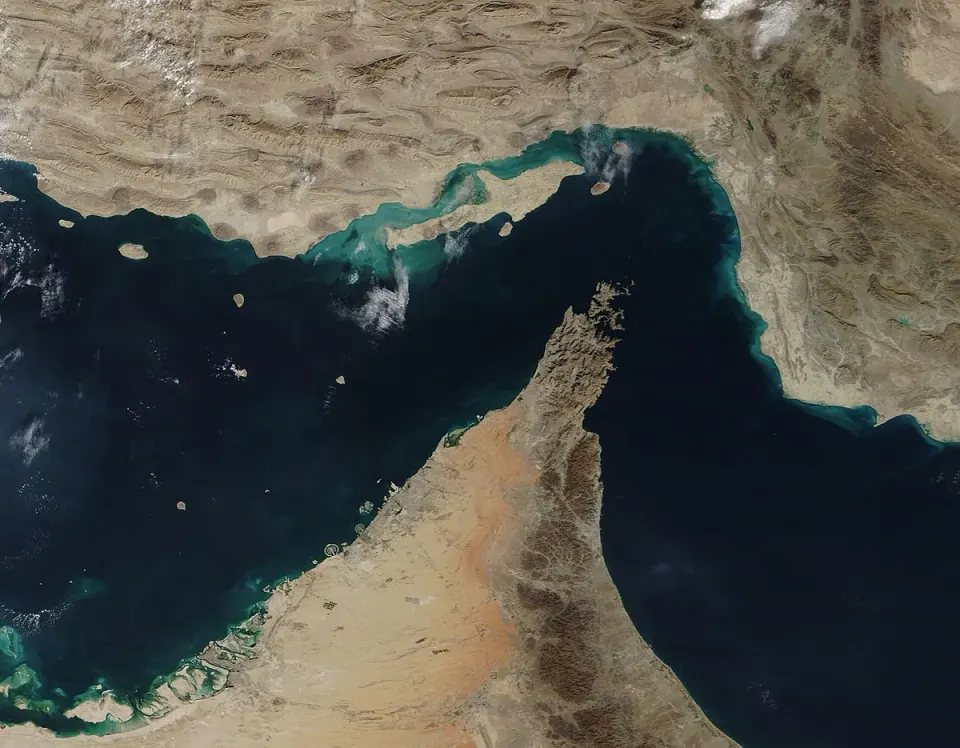
In my opinion, gold's immediate future is inextricably linked to the geopolitical barometer, both regionally and globally. The current environment, characterized by localized flashpoints in the West Bank [12], Iran's continued emphasis on strategic technological development [6], and broader political sensitivities in Europe, provides a robust foundation for safe-haven demand. This confluence of factors suggests that while explosive growth may not be imminent, gold's value is likely to be supported, if not gradually appreciate, in the short to medium term.
However, investors must remain acutely aware of two pivotal macro factors that could tip the scales. Firstly, the global interest rate environment is paramount. Any unexpected hawkish shifts from central banks, particularly the Federal Reserve, could strengthen the dollar and increase the opportunity cost of holding non-yielding gold. Secondly, the overall geopolitical stability in the Middle East remains the most critical determinant. A significant de-escalation, perhaps through unforeseen diplomatic initiatives, could quickly unwind the current risk premium embedded in gold prices. Conversely, further escalation would undoubtedly propel gold higher. As always, these are analyses and opinions, not financial advice or guarantees. The market, especially in times of such complex global dynamics, remains inherently unpredictable.
Frequently Asked Questions
How do West Bank tensions affect gold prices in Iran?
What role does Iran's strategic technology development play in market sentiment?
Is gold a reliable hedge against global energy price fluctuations?
What macro factors should Iranian investors watch for gold's future?
How do local demand dynamics impact Emami coin prices?
Understanding Safe Haven Assets in Times of Uncertainty
In times of geopolitical tension, economic instability, or market volatility, investors and individuals often seek out Safe Haven Assets. These are investments that are expected to retain or even increase in value during periods of market turbulence, offering a refuge from the storm. Unlike typical investments that might track economic growth or corporate earnings, safe havens are valued for their ability to preserve capital and purchasing power when other assets are declining.
The defining characteristics of a safe haven asset include its perceived reliability, liquidity, and a low correlation with other major asset classes. Gold is the quintessential example, having served as a store of value for millennia due to its universal acceptance, limited supply, and intrinsic value. Other assets that can act as safe havens include certain stable currencies like the U.S. Dollar, Japanese Yen, or Swiss Franc, and government bonds from highly stable economies.
The demand for safe haven assets typically surges when global risks escalate. For instance, the headline mentions "West Bank Tensions" and "Geopolitics Middle East." Such regional conflicts and broader geopolitical uncertainties inherently increase the perceived risk in traditional financial markets, prompting a flight to safety. When a country's local currency, like the Iranian Rial (IRR), faces depreciation against major currencies like the USD, or when inflation erodes purchasing power, the appeal of a tangible, globally recognized asset like gold intensifies.
While a safe haven asset's primary role is to protect capital during crises, it often overlaps with the function of an Inflation Hedge—an asset that maintains its value during periods of rising prices. Gold excels in both roles, making it particularly attractive in environments where both geopolitical risks and inflationary pressures are high. The mention of "Emami Coin" in the headline suggests that in sanctioned or volatile economies, even novel digital assets might emerge, attempting to mimic some of gold's safe-haven properties by offering an alternative to traditional, often unstable, financial instruments.
Ultimately, understanding safe haven assets provides crucial insight into investor psychology and market dynamics during periods of stress. It explains why, despite technological advancements and the proliferation of new financial products, timeless assets like gold continue to play a vital role in portfolio diversification and wealth preservation, especially when the global outlook appears uncertain.