Toman Creeps Higher as Gold Surges 1% Amid Hormuz Mines and European Cyber-Chaos
نوسان خزنده دلار و پرواز ۱ درصدی سکه در سایه مینهای هرمز و آشوب سایبری در اروپا
While the USD saw a modest 0.2% rise to 272,300 Toman, the gold market stole the spotlight with a 1% jump in Emami coins. As naval mines disrupt the Strait of Hormuz and cyber-attacks hit European infrastructure, investors are pivoting hard toward safe-haven assets.
At time of publishing
USD
272,300
Toman
Gold 18K
25.82M
Toman / gram
Bitcoin
$77,704
US Dollar
Tether
271,229
Toman
Key figures
US Dollar
272,300
Iranian Toman
↑ 0.18% todayBitcoin
$77,704
US Dollar
Market Realities and the Geopolitical Premium
On this Monday, November 2, 2026, the Iranian markets are navigating a landscape of subtle currency shifts and more aggressive moves in the precious metals sector. The US Dollar (USD/IRR) rose from 271,800 to 272,300 Toman, marking a 0.2% increase over the last 24 hours. However, the real story lies in the gold market, where Gold 18k per gram climbed from 25,721,409 to 25,816,057 Toman (+0.4%), and the Emami coin surged by a significant 1.0%, moving from 261,000,000 to 263,500,000 Toman. This divergence suggests that while the currency remains somewhat tethered by central bank interventions, the 'fear gauge' in the gold market is ticking upward rapidly.
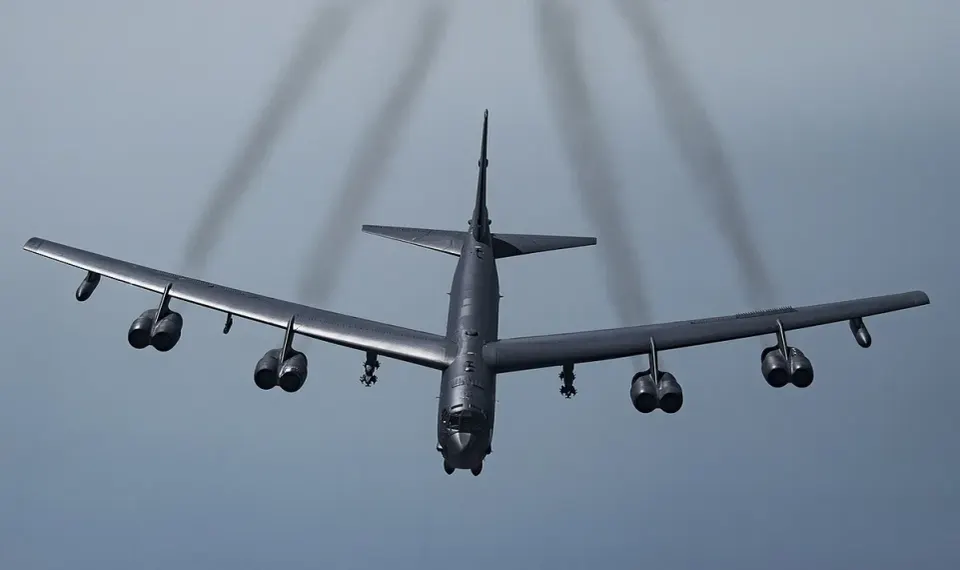
The immediate catalyst for this anxiety is the reported incident east of the Strait of Hormuz, where an oil tanker caught fire after striking naval mines while sailing an 'unauthorized' route. This escalation in the world’s most critical energy chokepoint has reignited fears of a supply shock. Analysts at Goldman Sachs have already signaled that Brent crude could reach $130 or even $140 a barrel if Middle Eastern tensions worsen. For the Iranian reader, this is a double-edged sword: while higher oil prices theoretically help the treasury, the associated geopolitical risk usually drives the Toman down and gold prices through the roof as a domestic hedge.
Cyber-Vulnerability and the Digital Arms Race
Beyond physical mines, a new front has opened in the global conflict: infrastructure cyber-attacks. Supermarkets across Europe, including major chains like IKEA, have seen their temperature-control systems compromised, leading to massive food spoilage and supply chain disruption. This isn't just a technical glitch; it's a demonstration of how 'invisible' warfare can impact the real economy. In this climate of digital instability, Oracle’s announcement of a $20 billion capital raise to fund its AI cloud growth takes on a strategic tone. The 'baddest' players in the tech industry are effectively building digital fortresses, but for the average saver, these headlines only reinforce the value of physical, un-hackable assets like gold.

The market psychology today mirrors the 'footballer’s dilemma' currently being debated in the UK: whether to 'dive' into a position now or wait for a clearer signal from the referees of global policy. Investors are hesitating, much like a striker in the box, weighing the risk of being 'fouled' by a sudden market crash against the reward of a successful hedge. Even personal financial disputes, such as the widely reported case of a stepmother demanding the return of a $40,000 wedding gift, highlight a broader trend: a breakdown in trust and a scramble for liquidity that often precedes major market shifts.
The Nuanced Outlook: Opinion and Analysis
In my opinion, the 1% jump in the Emami coin compared to the 0.2% rise in the USD is the most telling data point of the day. It indicates that the local market is pricing in a 'black swan' event—a sudden, unpredictable catastrophe—that the official currency rate has not yet fully reflected. While the Iranian Economy Minister is seeking Islamic cooperation to counter US pressure, the market seems more focused on the smoke rising from the Gulf than the diplomacy in the boardrooms. The 'risk-off' sentiment is palpable, and gold is the primary beneficiary.

Looking forward, the bear case for the Toman rests on the continued escalation of 'gray zone' warfare—mines and hacks—that bypass traditional sanctions and hit the economy where it hurts. Conversely, the bullish case for stability would require a significant de-escalation in the Hormuz region and a cooling of the cyber-conflict. However, with Goldman Sachs' $130 oil forecast looming, the pressure on the Toman is unlikely to subside soon. We are in a period of high uncertainty where 'trust' is the scarcest commodity, making the tangible safety of gold more attractive by the hour. This analysis is an editorial opinion and does not constitute financial advice.
Frequently Asked Questions
Why is gold rising faster than the US Dollar today?
How do cyber-attacks in Europe affect the Iranian Toman?
What is the impact of the tanker incident near Hormuz?
Is the current rise in gold prices sustainable?
Safe-Haven Assets and Geopolitical Risk
In times of global uncertainty, investors often seek out what are known as safe-haven assets. These are investments that are expected to retain or even increase in value during periods of market turbulence, economic downturns, or geopolitical instability. Unlike riskier assets such as stocks or certain currencies, safe havens are perceived as reliable stores of value, providing a sense of security when the broader financial landscape appears precarious. Their appeal lies in their ability to offer protection against capital loss during crises, making them crucial components of a diversified portfolio for risk-averse investors.
Among the various safe-haven assets, gold stands out as the quintessential example. For millennia, gold has been revered as a universal store of value, transcending national borders and political systems. Its intrinsic value, limited supply, and tangible nature make it a powerful hedge against inflation and currency devaluation. Unlike fiat currencies, gold's value is not directly tied to the fiscal health or policies of any single government, lending it an independence that investors find reassuring when faith in traditional financial instruments wanes. This historical precedent and perceived stability explain why gold prices frequently surge during times of crisis.
Geopolitical events, such as the potential for conflict or instability in critical regions like the Strait of Hormuz, are prime drivers for the demand for safe havens. The mention of "Hormuz Mines" in the headline immediately signals heightened geopolitical risk, which can disrupt global trade, particularly oil supplies, and create widespread economic uncertainty. Such events trigger a flight to safety, as investors pull capital from more volatile assets and reallocate it towards perceived sanctuaries like gold. This increased demand directly contributes to the upward pressure on gold prices, as seen in the reported 1% surge.
While global safe havens like gold react predictably to geopolitical tensions, local currencies, such as the Iranian Toman, operate under a more complex interplay of domestic and international factors. A local currency's movement reflects not only global risk perceptions but also internal economic policies, inflation rates, and specific market dynamics. The Toman "creeping higher" amid a gold surge and geopolitical risk might indicate unique internal market conditions or government interventions, even as the broader market signals a global flight to safety. Understanding these distinct reactions helps to differentiate between universal market responses and localized economic behaviors during times of stress.