The Eerie Silence of the Toman: Markets Pause as Diplomatic Chess Moves to Pakistan
سکوت معنادار تومان در میانه تنشها؛ بازارها چشمانتظار شطرنج دیپلماتیک در اسلامآباد
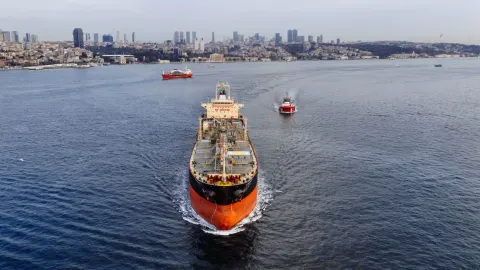
While the Hormuz blockade tightens and gold flirts with historic highs, the Toman has entered a period of strange, calculated stability. With high-level US and Iranian officials meeting in Pakistan, the market is holding its breath for a potential pivot in the current conflict.
At time of publishing
USD
154,050
Toman
Gold 18K
17.74M
Toman / gram
The Strategic Plateau of the Toman
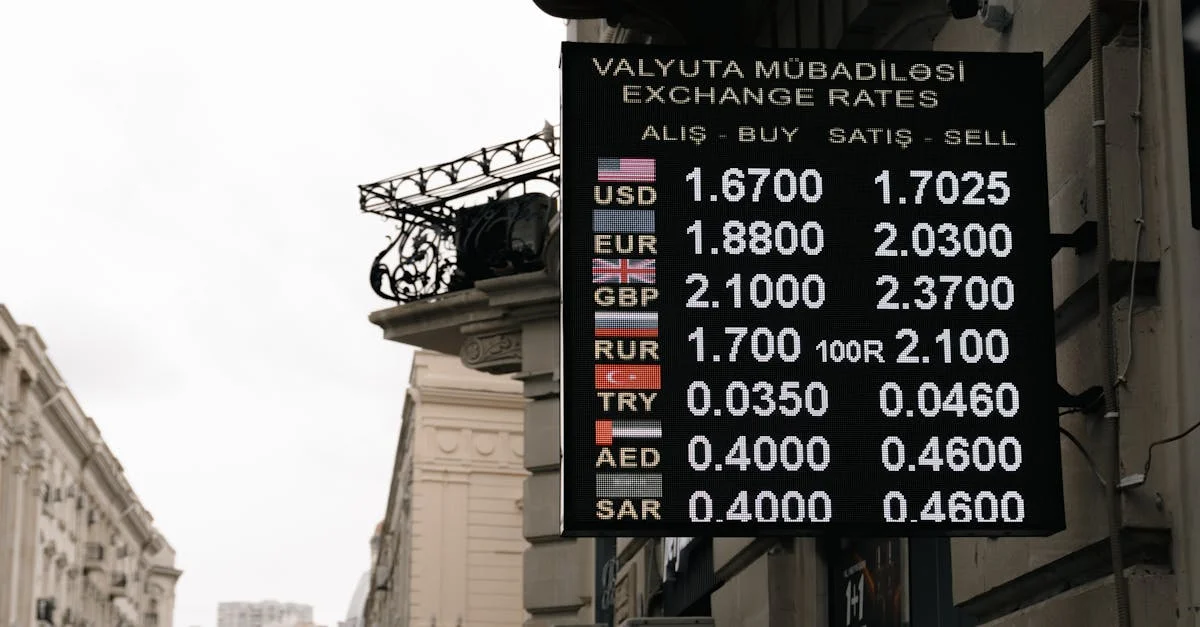
Despite the geopolitical firestorm raging around the Strait of Hormuz and the unprecedented 'shock and awe' AI-driven military strikes of the past weeks, the Iranian Toman ended the week on a note of surprising, almost eerie, stillness. The USD/IRR rate closed at 154,050 Toman, representing a 0.0% change over the last 24 hours. This lack of movement is not a sign of a quiet economy, but rather a market in a state of total suspension. Traders are refusing to take large positions as they digest the reality of a dual blockade in the Gulf, where both Iranian and US forces are now effectively halting the flow of global energy.
This stability suggests that the central bank's intervention tools are working in tandem with a collective 'wait-and-see' approach from the private sector. Usually, such high levels of military tension would trigger a flight to the dollar, but at 154,000, the market seems to have found a temporary psychological ceiling. People are no longer reacting to the daily headlines of the blockade; instead, they are waiting for a structural change in the narrative—either a full-scale escalation or a diplomatic breakthrough. The 0.0% delta on the Emami Coin, holding at 176,000,000 Toman, further underscores this domestic stalemate.
The Islamabad Summit: A Pivot from 'Shock and Awe'?
The most significant development this week isn't on the battlefield, but in the diplomatic corridors of Pakistan. Reports that Jared Kushner and Howard Witkoff are set to meet Iranian Foreign Minister Abbas Araghchi in Islamabad have sent a ripple of cautious optimism through the markets. After eight weeks of relentless pressure, the White House appears to be shifting from a strategy of decapitation and bombardment to one of sustained economic leverage and negotiation. This meeting represents the first real crack in the wall of silence between the two administrations since the conflict began.
For the average Iranian investor, this summit is the single most important variable for the coming month. If these talks yield even a hint of a '21-day ceasefire' or a temporary easing of the naval blockade, we could see a sharp correction in the price of hard assets. However, the stakes remain incredibly high. The EU’s Kaja Kallas has warned that without nuclear experts at the table, any agreement might be hollow. The market is currently pricing in a 50/50 chance of a diplomatic de-escalation, which explains why the Toman has refused to budge from its current 154,050 level.
Gold, Chips, and the Global Macro Shadow
While the Toman stood still, gold continued its ascent, driven by global instability and a weakening confidence in traditional fiat structures. Gold 18k rose by 0.4% in the last 24 hours to reach 17,737,430 Toman per gram, while the global ounce price remains at a staggering $4,723.60. This divergence—where local gold rises while the dollar stays flat—reflects the global surge in bullion prices as central banks and private investors seek the ultimate safe haven. The world is watching a perfect storm of inflation, war, and a potential leadership change at the Federal Reserve, where the dropping of the probe into Jerome Powell has cleared the path for Trump’s nominee, Kevin Warsh.

Beyond the military and monetary, a new crisis is brewing in the technology sector that could impact the broader economy. A severe RAM shortage, exacerbated by labor protests at Samsung and the massive energy demands of AI datacenters, is driving up the costs of everything from smartphones to local AI servers. In the UK, officials have admitted to underestimating AI carbon emissions by a factor of 100, signaling a potential regulatory crackdown on the very technology that is currently powering the US military's 'Project Maven' targeting systems. For investors, the takeaway is clear: we are entering an era where energy and silicon are as volatile and valuable as oil and gold.
The Week Ahead: What to Watch
As we move into the final week of April, all eyes remain fixed on the outcome of the Islamabad talks. Any official joint statement from the US and Iranian delegations will likely trigger immediate volatility in the USD/IRR pair. Additionally, watch the Strait of Hormuz for any shift in the 'blockade' status; even a symbolic passage of a few tankers could relieve the pressure on global oil prices. Finally, keep an eye on the transition at the US Federal Reserve—if Kevin Warsh’s confirmation gains momentum, expect the US Dollar to strengthen globally, putting further pressure on emerging market currencies and potentially ending the Toman’s brief period of stability.
Watch
US-Iran Tensions: Pakistan's Key Role in Mediating Peace Talks | April 2026 Update #breakingnews
Positive Pakistan News
Frequently Asked Questions
Why did the Toman remain stable at 154,050 despite the ongoing military conflict?
What is the significance of the meeting between Kushner, Witkoff, and Araghchi in Pakistan?
Why is local gold 18k rising while the USD/IRR exchange rate remains flat?
How does the global RAM shortage affect the Iranian economy?
The Strategic Chokepoint: How a Strait of Hormuz Blockade Can Ripple Through Global Markets
The Strait of Hormuz, a narrow waterway between Iran and Oman, carries roughly 20% of the world’s petroleum—about 21 million barrels per day—making it one of the most critical maritime chokepoints for energy supplies. Because the strait is so tight (about 21 nautical miles wide at its narrowest point) and heavily trafficked, any threat of a blockade—whether from naval mines, missile strikes, or political intimidation—can instantly tighten global oil supplies, pushing spot prices upward.
When oil prices spike, oil‑importing economies feel the pinch through higher transportation costs, inflationary pressure, and reduced consumer spending. Conversely, oil‑exporting nations like Iran see a short‑term windfall in revenue, but the benefits are often offset by sanctions that limit their ability to sell the oil abroad. For Iran, a blockade can be a double‑edged sword: it may raise global prices, potentially boosting the rial’s purchasing power, yet it also invites tighter sanctions that further depress the Toman’s exchange rate against the USD.
The economic shockwaves extend beyond oil. Higher oil prices typically strengthen the U.S. dollar, which can depress gold prices in dollar terms, but they also drive investors toward safe‑haven assets like gold, creating a complex interplay that analysts try to forecast for years ahead—hence the frequent “gold price forecast 2026” headlines. Moreover, regional instability can affect neighboring markets; for instance, Pakistan’s delicate U.S.–Iran diplomatic talks often hinge on assurances that the strait remains open, as any disruption would exacerbate Pakistan’s balance‑of‑payments challenges and pressure its own currency.
Historically, the strait has seen several close calls, such as the 2019 attacks on oil tankers and the 2020 Iranian missile launches that prompted temporary rerouting of ships. Each incident underscores how a single geopolitical flashpoint can trigger a cascade: from shipping delays and increased freight rates (affecting sectors like Samsung’s RAM supply chain) to central banks—like the Federal Reserve, where figures such as Kevin Warsh weigh inflation risks—adjusting policy in response to volatile commodity prices.
Understanding the strategic importance of the Strait of Hormuz helps explain why a seemingly localized threat can cause markets worldwide to pause, prompting traders to hedge, policymakers to negotiate, and analysts to revise forecasts across currencies, commodities, and even AI‑driven defense projects like Project Maven.