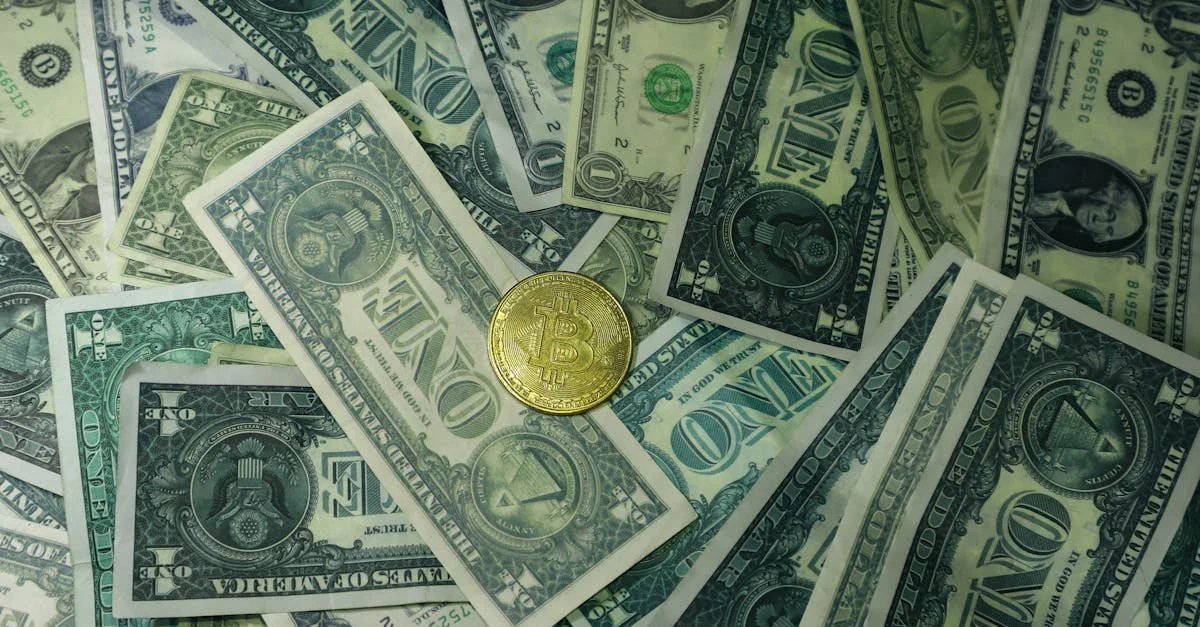
Gold vs. USD: Which Keeps Your Savings Safe in Iran’s Turbulent Market?
طلا در مقابل دلار: کدوم برای پساندازهای شما در بازار ایران امنتره؟
The Iranian rial’s roller‑coaster ride has left many wondering whether a handful of dollars or a gram of 18‑karat gold is the smarter store of value. Using today’s market snapshot, we break down the real cost, liquidity and risk of each option.
At time of publishing
USD
152,550
Toman
Gold 18K
17.60M
Toman / gram
Why the USD Looks Stable on Paper
At first glance, the U.S. dollar seems like a safe haven. The official sell rate sits at 152,550 Toman, unchanged over the past 24 hours. For an Iranian household, that stability can feel reassuring, especially when the rial has been losing ground for months. A dollar can be bought at a bank or an exchange office, and it can be transferred abroad with relative ease compared to other foreign currencies.
However, the apparent steadiness masks hidden costs. To acquire a single dollar you must part with over 150 thousand tomans, a figure that has ballooned from the 2020‑2022 era when a dollar cost roughly 42,000 Toman. Moreover, the dollar’s purchasing power inside Iran is limited: you can’t use it for everyday groceries, utility bills, or school fees without first converting it back, often at a less favorable rate. The “flat‑line” we see today is really a plateau after a long climb, and any future devaluation would instantly erode the nominal value you hold.
Gold’s Tangible Appeal and Recent Dip
Gold, on the other hand, has a physical presence that the dollar lacks. An 18‑karat gram is trading at 17,601,228 Toman, down 1.4 % from yesterday’s 17,860,012 Toman. The dip might look like a warning sign, but it also presents an entry point for investors who have been waiting for a price correction. Unlike the dollar, gold can be used directly as collateral, gifted, or even melted down for cash in a pinch.
Liquidity is a key factor. In Tehran’s bustling bazaars and licensed gold shops, a gram can be sold within minutes, often at a price that reflects the current market rather than an official rate. The downside is storage and security: you need a safe place, and transporting gold across borders carries its own set of customs and legal hurdles. Still, the intrinsic value of gold is recognized worldwide, making it a hedge against both inflation and geopolitical shocks that frequently ripple through Iran’s economy.

What the Numbers Mean for Your Savings
Putting the two together, the dollar’s nominal price is stable, but its real‑world utility is constrained by conversion friction and the ever‑present risk of a sudden devaluation. Gold’s price fell slightly, yet its ability to be liquidated quickly and its status as a universally accepted store of value give it an edge for medium‑term savers.
If you are risk‑averse and need immediate access to cash for daily expenses, holding a modest amount of dollars can be convenient—just remember the hidden conversion cost. For those looking to protect wealth over a longer horizon, especially amid the ongoing sanctions and political uncertainty, allocating a larger share to gold (even if you buy at today’s slightly lower price) may provide a more resilient buffer.
Ultimately, the decision hinges on your personal cash‑flow needs, tolerance for storage risk, and confidence in Iran’s macro‑environment. By comparing the concrete figures—152,550 Toman per dollar versus 17.6 million Toman per gram of gold—you can weigh the trade‑offs with a clearer eye.

Watch
The U.S. Dollar Vs. Gold
Principles by Ray Dalio
Frequently Asked Questions
آیا نگهداری دلار در ایران بهصورت فیزیکی امن است؟
چگونه میتوان طلا را بهسرعت به پول نقد تبدیل کرد؟
آیا اختلاف نرخ خرید و فروش دلار تأثیر زیادی بر سود سرمایهگذاری دارد؟
آیا طلا میتواند بهعنوان پوشش تورم در سالهای آینده عمل کند؟
کدام گزینه برای سرمایهگذاری کوتاهمدت مناسبتر است؟
Gold as an Inflation Hedge: Why It Often Outperforms the Dollar in High‑Inflation Economies
When a country’s currency loses purchasing power rapidly, savers look for assets that can preserve wealth. Inflation hedging is the practice of holding investments whose value tends to rise—or at least hold steady—when prices increase. Gold has historically been the premier inflation hedge because its price is denominated in a global market and is not directly tied to any single nation’s monetary policy.
In economies experiencing hyper‑inflation, such as Iran’s recent rial depreciation, the local currency can lose dozens of percent of its value within months. The U.S. dollar, while generally more stable than the rial, is still subject to exchange‑rate risk and can be affected by sanctions, capital controls, and shifts in U.S. monetary policy. Gold, by contrast, trades on international exchanges, and its price reacts primarily to global supply‑demand dynamics and investors’ expectations of inflation, making it a more resilient store of value.
The mechanism behind gold’s hedge properties lies in its scarcity and universal acceptance. Central banks hold gold reserves precisely because it provides a currency‑independent anchor of wealth. When inflation erodes the real value of paper money, the price of gold in that currency typically rises, offsetting the loss. Empirical studies have shown that over long horizons, gold’s returns correlate positively with inflation rates, especially in emerging markets.
For Iranian households, converting savings into gold—whether physical bars, coins, or exchange‑traded funds—can protect against the rial’s volatility. However, gold also carries costs: storage, insurance, and the need for secure transactions. Moreover, short‑term price swings can be sharp, so investors should consider a diversified approach that may include a modest dollar component alongside gold.
Understanding inflation hedging helps individuals make informed decisions about preserving wealth in turbulent markets. By recognizing gold’s role as a global store of value, savers can better navigate currency crises and safeguard their purchasing power.