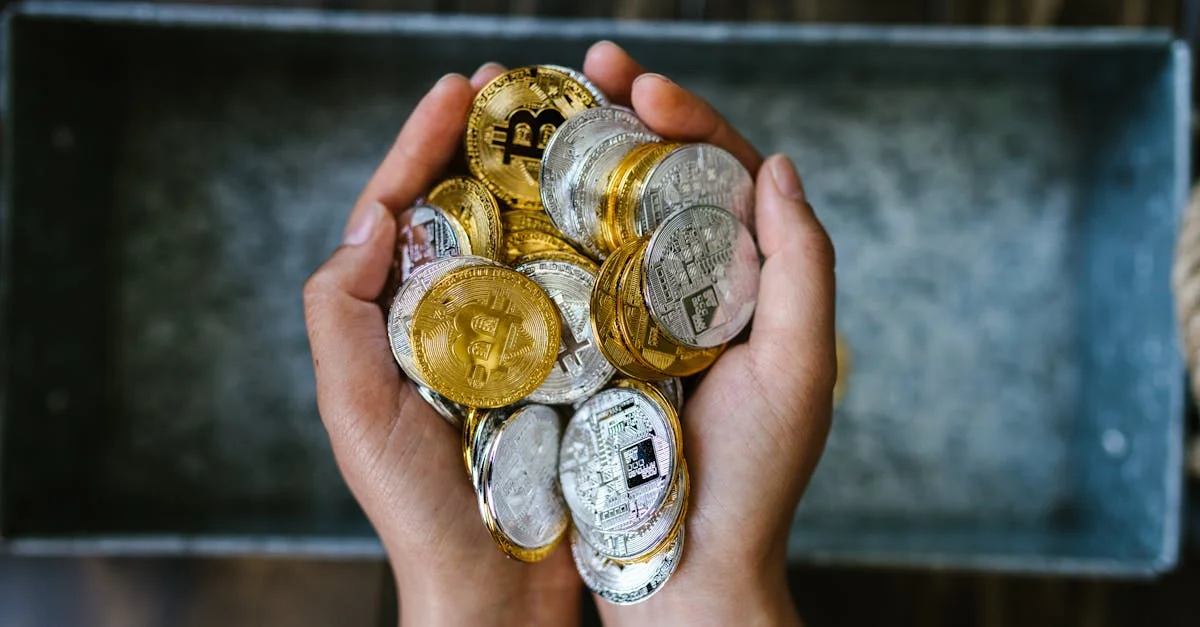
Gold vs. USDT: Navigating Iran's Savings Dilemma Amidst Currency Fluctuations
طلا در برابر USDT: معضل پسانداز ایرانیان در میان نوسانات ارزی
As the Iranian Toman experiences volatility, many turn to savings vehicles like gold and USDT. But which offers better protection and liquidity in today's climate? We break down the pros, cons, and real-world implications for your savings.
At time of publishing
USD
157,750
Toman
Gold 18K
17.89M
Toman / gram
Bitcoin
$78,112
US Dollar
Tether
15,512.6
Toman
The Shifting Sands of Savings: Gold vs. USDT for Iranians
In times of economic uncertainty, the search for stable value becomes paramount. For Iranians, this often means navigating a complex landscape of traditional assets and digital alternatives. With the USD/IRR exchange rate showing a 1.2% increase in the last 24 hours, moving from 155,950 to 157,750 Toman, the immediate need to preserve purchasing power is palpable. This volatility pushes individuals to consider options beyond the depreciating national currency. Two prominent choices emerge: physical gold, a time-tested store of value, and Tether (USDT), a stablecoin pegged to the US dollar. Both offer a perceived hedge against inflation and currency devaluation, but their practicalities, risks, and accessibility differ significantly.
This comparison delves into the current landscape, examining how these assets perform not just in theory, but in the daily reality of Iranian households. We'll look at liquidity, security, accessibility, and the inherent risks associated with each, providing a clearer picture for those looking to safeguard their wealth. Understanding these nuances is crucial for making informed decisions that align with individual financial goals and risk tolerance, especially when the ground beneath traditional savings can shift so rapidly.
What Actually Happened: Market Moves and Geopolitical Ripples
The recent market data paints a picture of ongoing economic pressures. The USD/IRR rate's upward tick is a clear signal of the Toman's weakening against the dollar. Simultaneously, gold prices, while showing 0.0% change for 18k gold per gram at 17,893,023 Toman, remain at a high plateau, reflecting their enduring appeal as a safe haven. The Emami coin saw a modest 0.3% increase, reaching 175,500,000 Toman, indicating continued demand for tangible gold assets. Globally, the news cycle is also a significant factor influencing market sentiment. The trial of an Assad-era official in Syria [5] and ongoing developments in Gaza, with a death toll now at 72,587 [9], contribute to a general sense of regional instability. Such geopolitical events can indirectly impact currency markets and investor confidence, often leading to increased demand for traditional safe havens like gold.
Furthermore, the broader economic climate, including events like Ryanair's decision to shut its Berlin base due to rising German aviation taxes [11], suggests a challenging global economic environment. While seemingly distant, these international economic shifts can influence global capital flows and risk appetite, which in turn can affect the demand for assets like USDT and gold. The crypto market itself is not without its own internal dynamics, with discussions around freezing dormant Bitcoin potentially triggering significant price swings [0]. These interconnected events, from regional conflicts to global economic policy and the internal workings of digital assets, all weave a complex tapestry that directly or indirectly affects the choices available to Iranian savers.
Why This Matters: The Practicalities of Preservation
For an individual in Iran looking to protect their savings, the choice between gold and USDT boils down to practical considerations. Physical gold, represented by coins like the Emami or grams of 18k gold, offers tangible security. Its value is intrinsic and universally recognized, requiring no intermediary for verification or transfer, beyond a trusted jeweler or exchange. However, acquiring and storing physical gold comes with its own set of challenges. There are costs associated with its purchase (like markups) and the inherent risk of theft or loss if not stored securely. Its liquidity can also be a concern; selling large quantities might require time to find a buyer at the desired price, especially outside major urban centers.
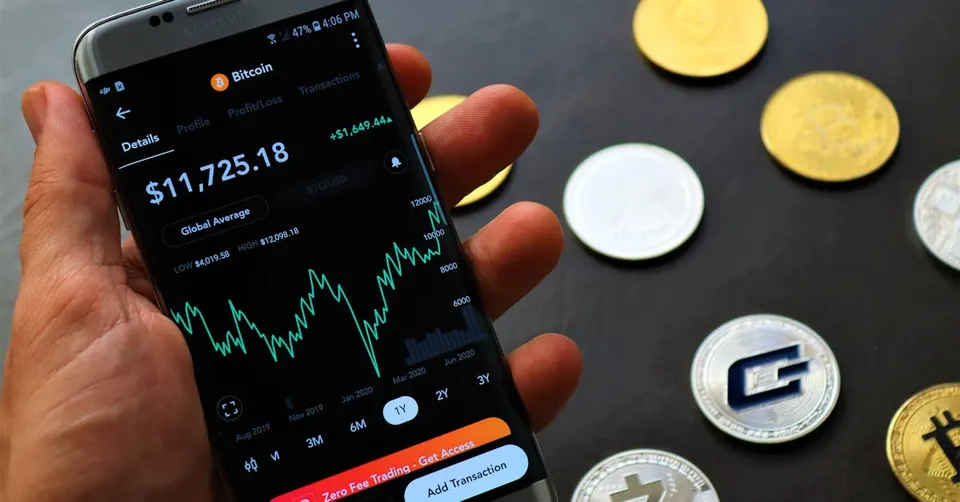
USDT, on the other hand, presents a seemingly more accessible and liquid option, especially for those familiar with digital platforms. With a stated peg to the US dollar, it aims to offer stability and ease of transaction. Acquiring USDT can be done through various online exchanges or peer-to-peer networks, often providing a quicker entry point than physical gold. The ability to transfer USDT globally with relative ease is another significant advantage. However, the risks associated with USDT are of a different nature. Reliance on digital infrastructure means vulnerability to hacks, platform failures, or regulatory crackdowns. Moreover, the stability of USDT itself is not absolute; while pegged to the dollar, its market value can experience fluctuations, and its true backing has been a subject of scrutiny. The perceived stability of USDT is also directly tied to the broader crypto market's sentiment, which can be volatile, as seen in discussions about potential Bitcoin repricing [0].
The Bigger Picture: Long-Term Strategy and Risk Assessment
When considering savings for the long term, the choice between gold and USDT becomes a strategic one, involving different risk profiles and potential rewards. Gold has a proven track record spanning millennia as a store of wealth, weathering economic storms and geopolitical upheavals. Its value is not dependent on any single entity or technological infrastructure. For a 5-year horizon, gold's tangible nature and historical resilience might offer a greater sense of security against systemic risks that could affect digital assets or even fiat currencies. The recent uptick in USD/IRR [1.2%] highlights the ongoing need for such traditional hedges.
USDT, as a relatively new financial instrument, carries the promise of digital convenience and potential for integration into a globalized digital economy. However, its long-term viability is subject to evolving regulatory landscapes, technological advancements, and the inherent risks of the cryptocurrency ecosystem. While it offers a dollar-denominated asset, its stability is contingent on the issuer's reserves and market confidence. For an Iranian saver, the decision hinges on their comfort level with digital assets, their access to reliable exchange platforms, and their assessment of the long-term stability of both the crypto market and the regulatory environment surrounding stablecoins. The geopolitical backdrop, including events like the Syria trial [5] or ongoing conflict in Gaza [9], can amplify the perceived safety of tangible assets like gold, while also influencing the broader risk appetite that affects crypto markets.
Frequently Asked Questions
* Q: How liquid is physical gold (Emami coin, 18k gold) compared to USDT in Iran? A: Physical gold, especially in smaller denominations like grams of 18k gold or even Nim Seke coins, generally offers good liquidity within major Iranian cities through established gold markets and exchange offices. However, selling large quantities might require more time and potentially accepting a slightly less favorable rate. USDT, on the other hand, can be highly liquid on online exchanges and peer-to-peer platforms, allowing for near-instantaneous trading, but its liquidity is dependent on the availability of buyers and sellers on these specific platforms and can be subject to exchange rate volatility against the Toman. * Q: What are the primary security risks associated with holding USDT versus physical gold? A: The primary security risks for USDT include cyber threats such as hacking of exchanges or personal wallets, phishing scams, and potential regulatory actions against stablecoin issuers that could freeze assets or impact their peg. Physical gold's main risks are theft, loss due to unforeseen events like natural disasters, and the need for secure storage solutions, which can incur additional costs. * Q: Can USDT truly be considered a stable store of value given the volatility of the broader crypto market? A: USDT aims to maintain a stable value by being pegged to the US dollar, and it generally trades very close to $1. However, its stability is not absolute. The broader cryptocurrency market's sentiment can influence USDT's market price, and there have been historical instances of minor de-pegging. Furthermore, the actual reserves backing USDT have been a subject of debate and scrutiny, introducing an element of counterparty risk. Therefore, while it offers more stability than volatile cryptocurrencies like Bitcoin, it is not entirely immune to market forces or issuer-specific risks. * Q: How do geopolitical events, like those in Syria or Gaza, influence the choice between gold and USDT for Iranian savers? A: Geopolitical instability often increases demand for traditional safe-haven assets like gold, as investors seek tangible value and a hedge against broader economic or political risks. Events in neighboring regions can heighten concerns about currency stability and economic outlooks in Iran, making gold appear more attractive due to its historical resilience. While USDT also aims to provide a stable dollar-based value, heightened global uncertainty can sometimes lead to increased scrutiny of digital assets and their underlying mechanisms, potentially making gold the preferred choice for those prioritizing absolute security and a long track record.
Concept Diagram
Watch
AI Will Destroy Crypto Before It Saves It [Here's What's Coming]
Crypto Banter
Frequently Asked Questions
How liquid is physical gold (Emami coin, 18k gold) compared to USDT in Iran?
What are the primary security risks associated with holding USDT versus physical gold?
Can USDT truly be considered a stable store of value given the volatility of the broader crypto market?
How do geopolitical events, like those in Syria or Gaza, influence the choice between gold and USDT for Iranian savers?
Stablecoins as an Inflation Hedge in High‑Inflation Economies
A stablecoin is a type of cryptocurrency that aims to maintain a stable value by pegging its price to a reserve asset, most commonly a fiat currency like the US dollar. The most widely used stablecoin, USDT (Tether), claims to be backed 1:1 by US dollars held in reserve, allowing users to move digital dollars quickly and cheaply across borders. Because its price is designed to stay close to $1, stablecoins can serve as a bridge between traditional fiat and the crypto ecosystem, offering the speed of blockchain with the price stability of a fiat currency.
In economies experiencing rapid inflation and currency devaluation—such as Iran, where the rial has lost over 80% of its value in the past decade—people look for assets that can preserve purchasing power. Gold has historically been a go‑to inflation hedge, but it is physically cumbersome and subject to import restrictions. Stablecoins, by contrast, can be stored on a phone and transferred instantly, making them attractive for everyday savings and transactions when local banks impose capital controls.
However, using stablecoins as an inflation hedge is not without risk. The peg integrity depends on the issuer’s transparency and the adequacy of its reserves; any doubts can trigger a loss of confidence and a sudden de‑pegging, as seen in past Tether controversies. Moreover, in sanction‑heavy environments, access to US‑based banking services needed to convert stablecoins back into fiat can be limited, forcing users to rely on informal exchange markets that may offer unfavorable rates.
For Iranians, the choice often boils down to a trade‑off: gold offers a tangible store of value but is illiquid and expensive to transport, while USDT provides digital liquidity but carries counter‑party risk and regulatory uncertainty. Understanding the mechanics, benefits, and pitfalls of stablecoins helps savers make informed decisions about protecting their wealth amid volatile currency fluctuations.