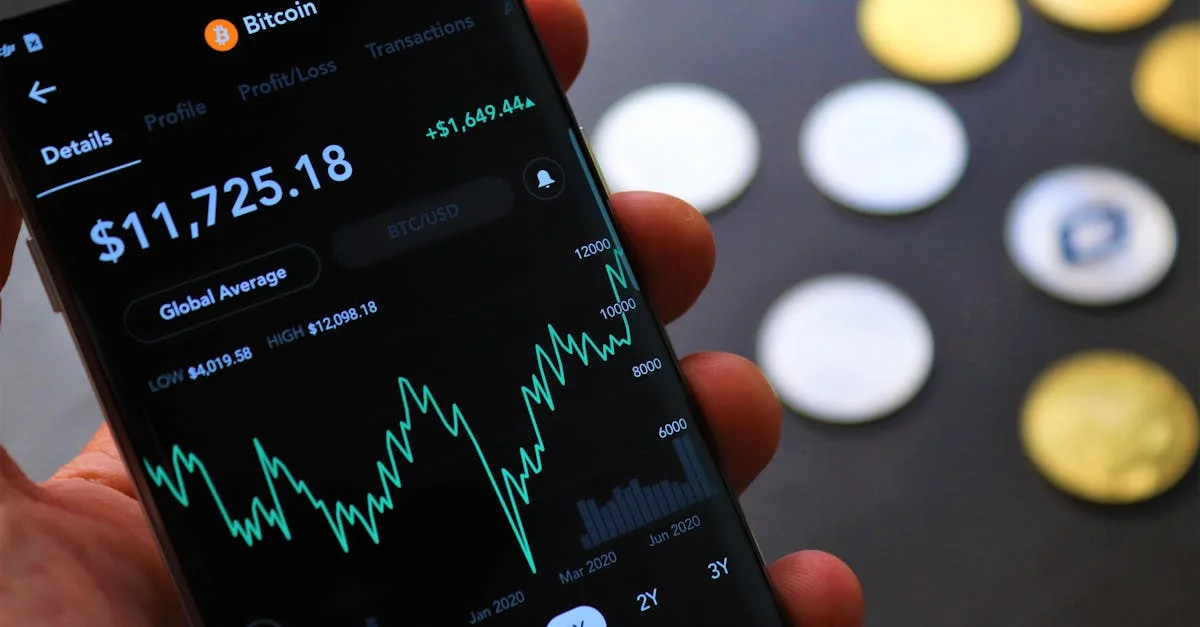
Gold vs. USDT: Navigating Iran's Inflation with Digital Assets
طلا در برابر USDT: مدیریت تورم ایران با داراییهای دیجیتال
As the Toman faces persistent devaluation and geopolitical tensions simmer, Iranians are seeking safe havens. This post dives into whether physical gold or stablecoins like USDT offer a more robust hedge against inflation and instability.
At time of publishing
USD
154,050
Toman
Gold 18K
17.76M
Toman / gram
The Shifting Sands of Value in Iran
The Iranian Toman continues its uphill battle against inflation, a reality starkly illustrated by today's market snapshot. While the USD/IRR pair shows a flat 24-hour performance at 154,050 Toman per dollar, this stability often masks deeper underlying pressures. The cost of tangible assets like gold and precious coins offers a more dynamic view of wealth preservation. An Emami coin, a popular benchmark, has seen a 0.6% dip to 176,000,000 Toman, and 18k gold per gram has also edged down by 0.1% to 17,761,438 Toman. These minor fluctuations, while notable, don't negate the long-term trend of Toman depreciation against hard assets.
This environment compels many to look beyond the national currency. Two prominent alternatives emerge: physical gold and the Tether stablecoin (USDT). Both are seen as potential refuges, but they operate on fundamentally different principles and carry distinct risks. Understanding these differences is crucial for anyone aiming to protect their savings in today's volatile economic landscape. The choice between the tangible security of gold and the digital convenience of USDT involves weighing factors like accessibility, security, regulatory risk, and long-term value preservation.
---
Gold: The Traditional Anchor
Gold has long been the historical bulwark against economic turmoil. Its intrinsic value, scarcity, and global acceptance make it a perennial favorite for wealth preservation. In Iran, the market for gold and coins is well-established, offering relatively high liquidity for those looking to buy or sell. The current price of $4,733.40 per ounce on international markets, when converted, indicates its persistent demand. While the 24-hour price movements in Toman show a slight decrease, this can be attributed to daily market dynamics rather than a fundamental loss of value.
The appeal of gold lies in its tangibility. Owning physical gold provides a sense of security that digital assets cannot replicate. It is largely independent of financial institutions and government policies, offering a degree of insulation from systemic risks. However, gold is not without its drawbacks. Storage and security are significant concerns, and its price can be subject to global market volatility, interest rate changes, and currency fluctuations. Furthermore, the process of buying and selling, especially in large quantities, can involve transaction costs and may not always be as instantaneous as digital transactions.

---
USDT: The Digital Alternative
Tether (USDT) represents the digital frontier of stablecoins, pegged to the US Dollar. Its primary attraction for Iranians is its perceived stability relative to the Toman and its ease of transfer and use within the global digital economy. Unlike Bitcoin or other volatile cryptocurrencies, USDT aims to maintain a fixed value, making it attractive for holding savings or conducting transactions without the wild price swings. Its 24-hour performance is, by design, tied to the USD, which itself is a global benchmark.
The advantage of USDT lies in its accessibility and liquidity within the digital sphere. It can be traded 24/7 on numerous exchanges, often with lower transaction fees than traditional banking or even physical gold trades. For those operating in the digital economy, or needing to move funds internationally quickly, USDT offers unparalleled convenience. However, the risks associated with USDT are significant and often underestimated. It is an IOU from Tether, a company whose reserves and transparency have been subject to scrutiny and legal challenges. Regulatory uncertainty, the risk of de-pegging, and the potential for exchange hacks or freezes are all factors that introduce a layer of digital risk.

---
Weighing the Options for 2025
When considering a hedge against inflation and geopolitical uncertainty for 2025, the choice between gold and USDT hinges on individual risk tolerance and operational needs. Gold offers a historical track record of value preservation, tangible security, and a decentralized nature, but comes with storage challenges and less immediate liquidity for smaller transactions. Its value is influenced by global macroeconomic factors, but it remains a physical asset largely outside the direct control of any single entity.
USDT, on the other hand, provides digital convenience, global accessibility, and a stable peg to the dollar, which is highly attractive for international transactions and quick savings transfers. However, it carries counterparty risk associated with Tether's reserves and regulatory oversight, as well as the inherent risks of digital assets. The decision is not about which is inherently 'better,' but which aligns more closely with your personal financial strategy, your comfort with digital versus physical assets, and your assessment of the specific risks each presents in the Iranian context.
[IMAGE: a split image showing a gold coin on one side and a smartphone displaying a cryptocurrency exchange interface on the other]
---
The Bigger Picture: Geopolitics and Digital Currencies
The ongoing tensions in the Strait of Hormuz, as evidenced by the news headlines concerning potential mine-laying and naval actions, add a significant layer of geopolitical risk to Iran's economic situation. Such events can directly impact the Toman's value, disrupt trade, and increase the appeal of assets perceived as safe havens. The US military's assertive stance, including threats to attack vessels involved in mining, underscores the fragility of regional stability.
This volatile backdrop makes the discussion around gold versus USDT even more pertinent. While gold's value might be influenced by global events, its physical nature offers a distinct form of security. USDT's stability is dollar-denominated, but its accessibility and usability can be indirectly affected by international sanctions or geopolitical maneuvers that target the digital financial infrastructure. The choice therefore also involves an assessment of which asset class is more resilient to the specific geopolitical pressures currently affecting Iran and the wider region.
Watch
USDT vs. USDC vs. DAI: Which Stablecoin is Actually Safe in 2026?
ATH
Frequently Asked Questions
Is USDT truly a stable asset, or does it carry significant risks?
How does the liquidity of gold compare to USDT for an average Iranian investor?
What are the primary security concerns associated with holding gold versus USDT?
How might geopolitical events like the Hormuz tensions affect the value of gold and USDT differently?
Understanding Inflation Hedges: Protecting Wealth in Volatile Economies
In economies facing high inflation and currency devaluation, preserving wealth becomes a paramount concern. This is where the concept of an inflation hedge comes into play. An inflation hedge is an asset or investment that is expected to retain or increase its value during periods of rising prices, thereby protecting the purchasing power of an individual's savings. Unlike cash or traditional bank deposits, which erode in value as inflation surges, an effective inflation hedge acts as a shield against the loss of real wealth.
Assets that serve as inflation hedges typically possess certain characteristics. They often have intrinsic value, are scarce, or are denominated in a stable, globally recognized currency. The underlying principle is that while the cost of goods and services rises, the value of these specific assets should either keep pace or even appreciate, allowing the holder to maintain their economic standing. This strategy is particularly crucial in environments where local fiat currency is rapidly losing its purchasing power, making long-term financial planning challenging.
Historically, gold has been the quintessential inflation hedge, revered for millennia as a store of value due to its scarcity, durability, and universal acceptance. Its value tends to rise when confidence in fiat currencies wanes, making it a safe haven asset. More recently, digital assets like stablecoins such as Tether (USDT) have emerged as modern alternatives. Stablecoins are cryptocurrencies designed to maintain a stable value relative to a specific fiat currency (most commonly the US dollar) or a basket of currencies, by being backed by reserves. For individuals in countries experiencing severe currency depreciation, stablecoins offer a digital, easily transferable means to hold value in a more stable currency, bypassing local currency volatility and offering a new form of inflation protection.