
The Yield Trap: Why Your Gold and Crypto Are Fighting for Survival in a High-Risk Spring
تله سود: چرا طلا و کریپتو در بهار پرریسک ۲۰۲۶ برای بقا میجنگند؟
As global markets chase risky yields from US small caps to DeFi protocols, the Iranian market is witnessing a cooling phase. We compare the sharp drop in Emami coins against the relative stability of the USD and the hidden dangers of high-yield crypto platforms.
At time of publishing
USD
179,900
Toman
Gold 18K
19.78M
Toman / gram
Bitcoin
$78,134
US Dollar
Tether
17,869.9
Toman
The Mirage of Small-Cap Growth and the Toman Reality
Global financial markets are currently caught in a strange paradox that directly echoes in the streets of Tehran. On Wall Street, the small-cap Russell 2000 index has been 'riding high' despite recent setbacks, outperforming almost everything except the tech-heavy Nasdaq in 2026. This surge in risk appetite suggests that global investors are hungry for growth, even as the U.S. economy faces structural issues like a $39 trillion debt. However, for the Iranian saver, this global 'risk-on' sentiment hasn't translated into a local rally. Instead, we are seeing a measured cooling. On Saturday evening, the USD to IRR rate softened from 180,400 to 179,900, a modest 0.3% dip that suggests a temporary ceiling has been reached.
This disconnect between global exuberance and local consolidation is crucial. While American investors gamble on smaller companies, Iranian capital is moving more cautiously. The slight decline in the dollar reflects a market that is waiting for the next geopolitical trigger rather than following the tailwinds of the New York Stock Exchange. For those holding physical cash, this 0.3% movement is a reminder that the USD, while a classic hedge, lacks the 'explosive' potential of other assets during periods of relative diplomatic calm, such as the unannounced visit of Pakistan's Interior Minister to Tehran which hints at regional stabilization efforts.
The Liquidity Premium: Emami Coin vs. 18k Gold
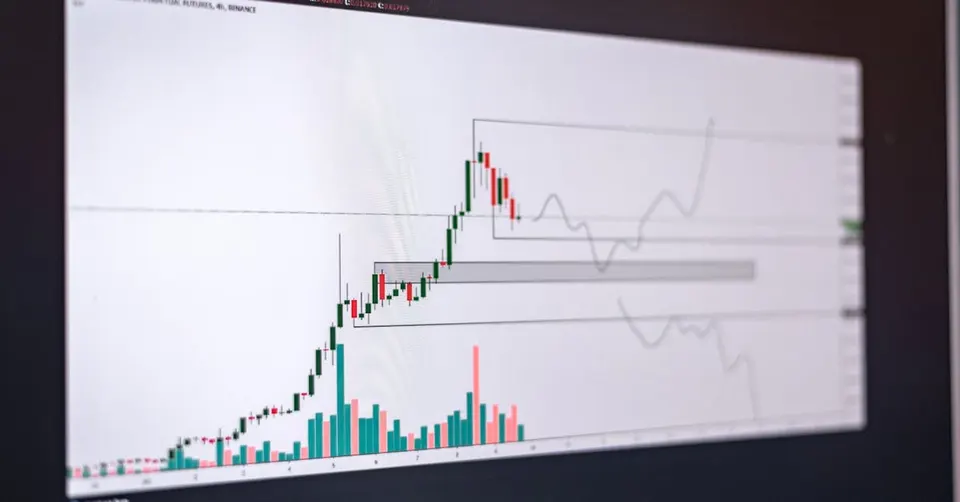
If you looked at your portfolio this evening, you likely noticed a glaring discrepancy: 18k gold per gram fell by a manageable 0.5%, dropping to 19,784,616 Toman, while the Emami coin took a much harder hit, sliding 1.8% to 193,500,000 Toman. This is a classic lesson in the 'liquidity premium' and market bubbles. Emami coins often carry a high psychological premium in Iran; they are the first thing people buy when they are panicked and the first thing they dump when they need cash or when the hype dies down. The nearly 2% drop in coin prices today, compared to the minor dip in raw gold, suggests that the 'bubble' portion of the coin's value is deflating faster than the underlying metal itself.
Choosing between a gold coin and a gram of 18k gold is essentially a choice between volatility and stability. The Emami coin is far more liquid—you can sell it at any exchange in seconds—but you pay for that liquidity with higher volatility. In contrast, 18k gold is the 'slow and steady' vehicle. In a market where global gold remains high at $4,541.20 per ounce, the local dip in 18k gold is a reflection of the Toman's strength rather than a loss of gold's intrinsic value. If you are a long-term saver, the gram of gold offers a smoother ride, whereas the coin is a high-stakes game for those who think they can time the market's peak.
The Yield Trap: DeFi Risks vs. Physical Assets
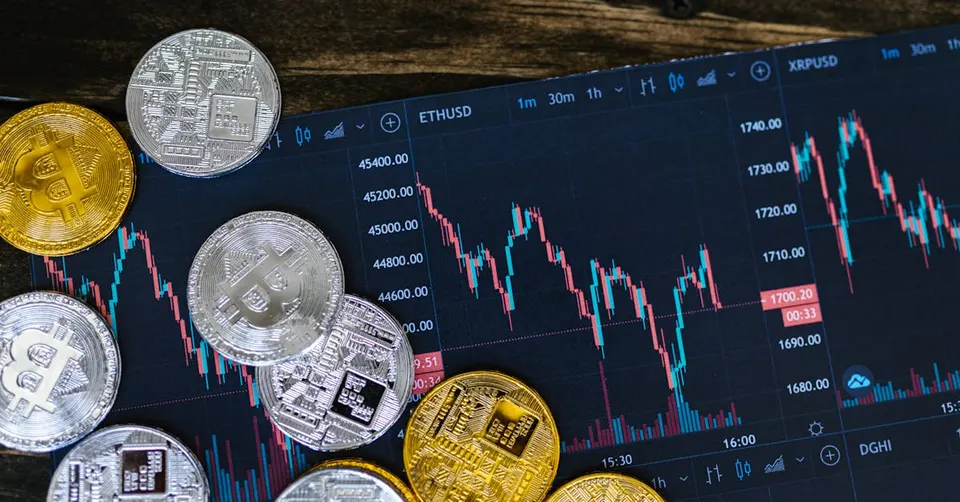
Beyond the physical markets, a more dangerous trend is emerging in the digital space. Global crypto users are increasingly 'choosing juicy yields over protection,' pouring billions into DeFi protocols that are often one hack away from insolvency. We saw this reality bite today with the $293 million KelpDAO hack and the $10 million THORChain exploit. For Iranians using USDT as a savings vehicle, the temptation to 'stake' those dollars for 10-15% returns is high, but the risk is total loss. Bitcoin, currently trading at $78,134, remains the gold standard of digital scarcity, but even it cannot escape the gravity of systemic risk when the platforms holding it are built on 'complexity' rather than security.
When we compare the risk of a New York rail strike shutting down a city to the risk of a DeFi protocol collapsing, the physical world starts to look a lot safer. The 0.3% dip in the physical dollar or the 0.5% dip in 18k gold might feel frustrating, but these assets don't 'vanish' due to a coding bug. In 2026, the real comparison isn't just between gold and the dollar; it's between 'custodial safety' and 'yield-chasing.' As the market cools in Tehran, the smartest move isn't necessarily finding the asset that goes up the fastest, but the one that is guaranteed to be there when the next crisis hits. The current stability in the Toman market is a gift of time—use it to assess whether your 'yields' are worth the risk of a total wipeout.

Concept Diagram
Frequently Asked Questions
Why did the Emami coin drop 1.8% while 18k gold only fell 0.5% today?
Is it safer to hold physical USD or USDT given the recent DeFi hacks?
How does the performance of U.S. small-cap stocks affect the Iranian Toman?
Inflation Hedging: Strategies and Challenges in Volatile Economies
In an era marked by economic uncertainty and fluctuating currency values, understanding inflation hedging is crucial for anyone looking to preserve their purchasing power. Inflation hedging refers to the strategy of investing in assets that are expected to retain or increase their value during periods of rising prices, thereby protecting wealth from the erosive effects of inflation. This concept becomes particularly vital in economies experiencing high inflation rates or significant currency depreciation, where traditional cash savings can rapidly lose their worth.
Historically, assets like gold, real estate, and foreign currencies (such as the US dollar) have been favored as inflation hedges. Gold, often seen as a safe-haven asset, tends to maintain its value when fiat currencies weaken. Real estate can appreciate with rising construction costs and rents, while stable foreign currencies offer a direct hedge against local currency devaluation. More recently, some cryptocurrencies, notably Bitcoin, have been touted as "digital gold" due to their limited supply, attracting investors seeking alternatives to traditional financial systems.
However, these hedging strategies are not without their complexities and risks, especially in volatile or sanctioned economies. The effectiveness of a hedge can be influenced by specific local market dynamics, regulatory changes, and liquidity issues. For instance, while gold is generally a hedge, local gold instruments (like specific coins) might trade at premiums or discounts influenced by local supply, demand, and political factors. Furthermore, the "yield trap" can emerge when high interest rates on traditional savings instruments or bonds make non-yielding assets (like gold or some cryptocurrencies) less attractive, or when the cost of holding such assets outweighs their protective benefits.
Navigating inflation hedging requires a nuanced understanding of both global economic trends and local market specifics. While the core principle is to diversify into assets that resist inflation, the choice of asset, the timing of investment, and awareness of associated risks are paramount. It's essential for investors to research thoroughly and consider their unique economic context to effectively protect their wealth against the unpredictable forces of inflation and currency depreciation.