
USD vs. Gold: Navigating Iran's Turbulent Economic Tides
دلار یا طلا: گذر از امواج متلاطم اقتصادی ایران
With the Iranian Toman experiencing a noticeable dip against the US dollar and gold prices following suit, understanding the nuances between these traditional safe havens is crucial. This comparison delves into the current market dynamics, helping you assess which asset might better weather the storm for your savings.
At time of publishing
USD
257,100
Toman
Gold 18K
25.66M
Toman / gram
Bitcoin
$83,520
US Dollar
Tether
253,711
Toman
The Shifting Sands of Value
The Iranian economy is currently navigating a period of significant currency fluctuation. The US Dollar, a perennial benchmark for value in Iran, has seen its Toman price move from 260,600 to 257,100 in the last 24 hours, marking a 1.3% depreciation of the Toman. This trend, while representing a loss for Toman holders, can be seen as a stabilization or even a slight gain for those holding USD. The current sell rate of 257,100 Toman per USD indicates a persistent demand for the foreign currency, reflecting ongoing economic uncertainties and inflationary pressures within the country.
This movement in the currency markets is closely mirrored in the gold and coin sector. The Emami coin, a prominent gold-based asset, has seen its price drop by 2.5% from 264,500,000 Toman to 258,000,000 Toman. Similarly, 18-karat gold per gram has experienced a 1.0% decline, moving from approximately 25,919,940 Toman to 25,663,696 Toman. These drops, occurring concurrently with the Toman's depreciation against the dollar, suggest a complex interplay of factors, potentially including a slight global easing in gold prices, but more significantly, a shift in investor preference or liquidity needs within the Iranian market.
What's Driving the Changes?
The geopolitical landscape continues to cast a long shadow over Iran's economic stability. Recent reports, such as the IRIA commander's statement regarding an "enemy's crime in Lamerd" attributed to "American enemy" forces [2], highlight persistent tensions. While the specifics of the alleged crime remain vague and media-incapable of full narration, such rhetoric often correlates with heightened regional instability. This, in turn, can fuel demand for safe-haven assets like the US dollar, as individuals and businesses seek to protect their wealth from potential conflict fallout or increased sanctions. The IRGC's Basij forces commander's strong words underscore a narrative of external threat, which can precipitate capital flight or a defensive posture in investment strategies.
Furthermore, Iran's ongoing friction with international actors, as evidenced by Deputy Foreign Minister Kazem Gharibabadi's warning about "far-reaching consequences" following any renewed US military attack [17], adds another layer of uncertainty. Such statements, while asserting national resolve, also signal to global markets and domestic investors the potential for further economic disruption. This environment of heightened geopolitical risk naturally pushes individuals towards assets perceived as more stable, often the US dollar, despite its own inherent volatilities. The threat to regional data centers and internet infrastructure [12] also hints at broader cyber and information warfare concerns, which can indirectly impact market confidence and the flow of capital.
USD vs. Gold: A Strategic Choice for Iranians
For Iranians holding savings, the choice between USD and gold is a perennial dilemma, amplified during times of economic uncertainty. The recent price movements show the Toman weakening against the USD, while gold prices have also seen a slight downturn. If the Toman continues to depreciate, holding USD offers a direct hedge against this loss of purchasing power. For example, if the USD sell rate were to rise back to the 260,600 Toman level seen recently, a holder of USD would see a gain relative to Toman holders. However, USD holdings are not without their risks, including potential government freezes or seizures, and the practicalities of acquiring and storing physical dollars securely.
Gold, on the other hand, has historically been a store of value, particularly during periods of high inflation or currency devaluation. While its price has dipped slightly in Toman terms recently, its intrinsic value is often seen as more resilient over the long term. The current price of an Emami coin at 258,000,000 Toman and 18k gold at 25,663,696 Toman per gram, represents a significant store of wealth. The decision between USD and gold often hinges on an individual's time horizon and risk tolerance. Short-term fluctuations might favor USD for its direct correlation with Toman depreciation, while long-term wealth preservation might lean towards gold's historical stability, especially if global economic instability persists.
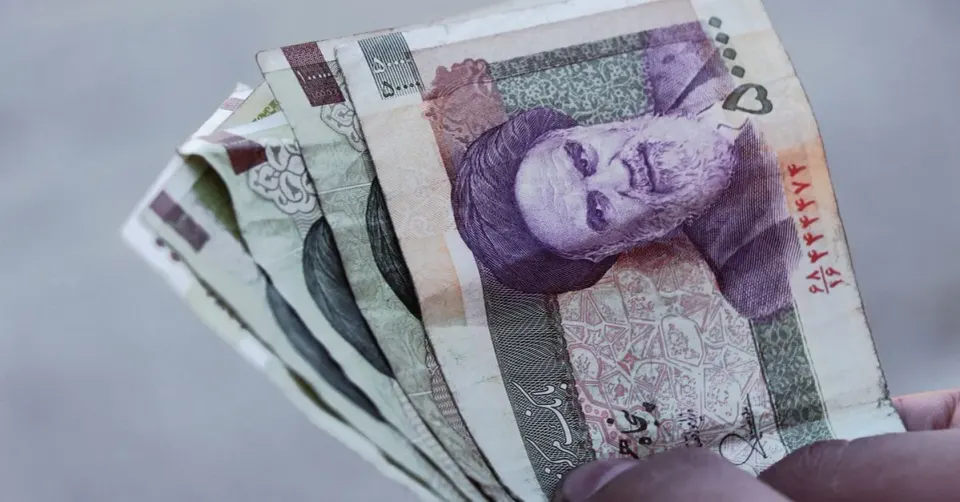
The Broader Economic Picture
The recent market movements in Iran do not occur in a vacuum. Globally, markets are showing mixed signals. Bitcoin, for instance, remains subdued below $84k, weighed down by a broader tech sell-off [9]. This suggests a general aversion to riskier assets, which can impact investor sentiment across the board, including precious metals and currencies. The news of Russia clearing Sberbank for crypto trading [5] indicates a move towards digital assets in some economies, but this is occurring in a context of significant geopolitical and economic fragmentation.
In Italy, a personal finance dilemma highlights broader concerns about inflation and retirement planning [6]. While the individual has substantial assets, the worry about healthcare and long-term care in an inflationary environment is palpable. This resonates with the situation in Iran, where inflation is a persistent concern, eroding the value of savings. The decision to hold USD or gold is, therefore, not just about currency exchange rates, but about preserving purchasing power against the relentless march of inflation and ensuring long-term financial security in an unpredictable world. Even amusement park stocks like Six Flags are seeing significant slumps after fatal incidents [10], illustrating how unforeseen events can dramatically impact asset values across all sectors.

Looking Ahead
As geopolitical tensions persist and economic uncertainties loom, both the US dollar and gold present distinct advantages and disadvantages for Iranian savers. The USD offers a more direct hedge against Toman depreciation in the short term, while gold provides a longer-term store of value and a hedge against broader economic instability. Understanding the current market snapshot—USD sell at 257,100 Toman and Emami coin at 258,000,000 Toman—is essential for making informed decisions. The interplay of global events, regional conflicts, and domestic economic policies will continue to shape the value of these assets, demanding a cautious and informed approach from all investors.
Concept Diagram
Frequently Asked Questions
What is the current exchange rate of USD to IRR?
How has the price of gold changed recently in Iran?
What are the main geopolitical factors affecting the Iranian economy?
Is USD or Gold a better hedge against Toman depreciation?
Gold as a Hedge Against Iran’s Currency Volatility
Why gold matters in Iran
Iran’s economy has been plagued by chronic inflation and a rapidly depreciating rial (or toman, the unofficial unit used in everyday transactions). When the official exchange rate diverges sharply from the black‑market rate, the purchasing power of salaries and savings can evaporate within months. In such an environment, many Iranians turn to assets that are less sensitive to the local currency – the most popular being gold. Because gold is priced globally in U.S. dollars, its value in tomans automatically reflects the prevailing exchange rate, offering a built‑in adjustment mechanism that can preserve wealth when the rial tumbles.
How gold preserves value
Gold’s appeal as a store of value rests on three pillars: scarcity, universal acceptability, and a long‑standing track record of retaining purchasing power over centuries. Unlike the rial, which can be printed at will by the central bank, the supply of gold grows only slowly through mining. When inflation spikes, the price of gold in local currency typically rises faster than the price of everyday goods, meaning that a gram of gold bought today can buy more tomans tomorrow than a bank deposit would. This relationship is why gold often outperforms cash and even many local bonds during periods of high inflation.
Practical ways Iranians invest in gold
In Iran, gold is bought in several forms: bullion bars, 18‑karat jewelry, and locally minted coins such as the “Emami” gold coin. The Emami coin, introduced by the state‑run Central Bank, is priced in tomans and can be traded on both official and unofficial markets, making it a convenient vehicle for small savers. Investors typically store gold at home, in safe deposit boxes, or through informal “gold‑exchange” shops that act as custodians. While physical gold offers tangibility, it also carries storage costs and the risk of theft, so many prefer to keep a modest portion of their portfolio in gold and the rest in diversified assets.
Limitations and geopolitical considerations
Gold is not a panacea. Its price can be volatile, especially when global markets react to geopolitical shocks or changes in U.S. monetary policy. Moreover, sanctions on Iran can restrict the ability to import gold or convert it into foreign currency, creating liquidity constraints. Savers should therefore view gold as a hedge rather than a guaranteed profit‑maker, complementing other strategies such as foreign‑currency accounts (where permissible) or diversified investments abroad.