Missiles, Markets, and the Toman: Why Gold and USDT are Telling Different Stories Tonight
موشک، بازار و تومان؛ چرا طلا و تتر در شب التهاب منطقهای مسیر متفاوتی را میروند؟
As regional tensions boil over with strikes in Kuwait and Bahrain, the Iranian market is behaving unexpectedly. We compare the resilience of physical gold against the regulatory ticking clock of USDT to see which 'safe haven' actually holds water in 2026.
At time of publishing
USD
193,400
Toman
Gold 18K
18.77M
Toman / gram
Bitcoin
$64,520
US Dollar
Tether
193,745
Toman
The War Paradox: Why the Toman Gained Amidst Explosions
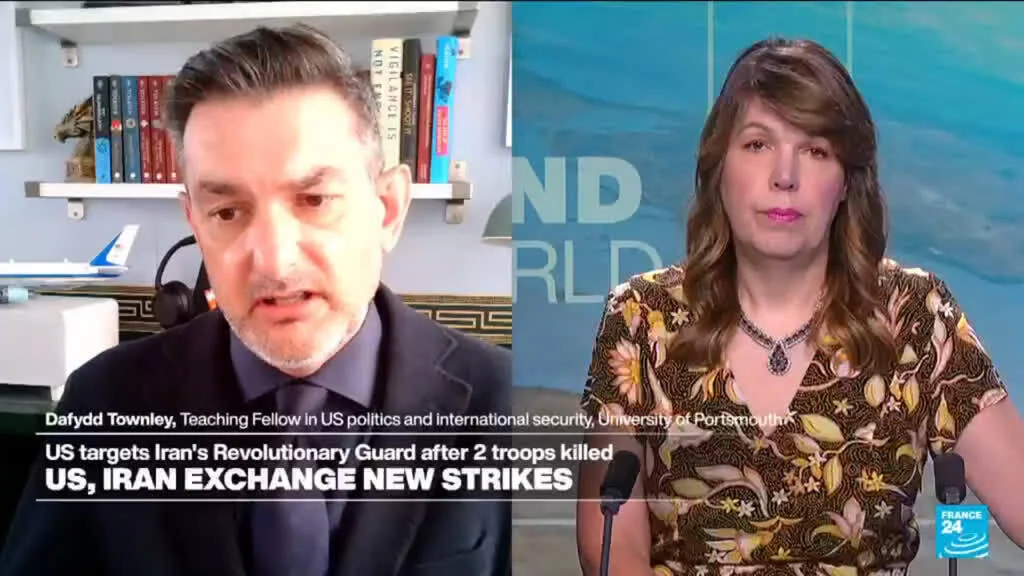
On a Sunday evening that should have seen the Toman plummet, we are witnessing a classic case of market 'exhaustion.' Despite reports from France 24 and the BBC that missiles and drones have been intercepted over Kuwait and Bahrain, and the grim news of American service members killed in Jordan, the USD/IRR rate actually retreated from 195,800 to 193,400 Toman—a 1.2% gain for the local currency. This isn't because the economy is suddenly robust; rather, it's a combination of aggressive Central Bank intervention and the fact that the 'war premium' was already priced in during the morning's panic. For the average Iranian saver, this creates a confusing narrative: the headlines scream 'wider war,' but the price tag on the dollar says 'wait.'
This discrepancy suggests that while the geopolitical risk is real, the immediate liquidity in the Tehran bazaar is being tightly controlled. The Iranian government often utilizes these moments of high tension to flush out amateur speculators who buy at the peak of the news cycle. If you bought USD at 195,000 this morning based on the news of the Jordan attack, you are already down 1.2% by dinner. This highlights the primary risk of physical currency in Iran: it is highly susceptible to short-term psychological manipulation and state-led 'price corrections' that can wipe out gains even when the news remains objectively bad.

Gold vs. Coin: The Liquidity Trap
When we look at gold, the story becomes even more nuanced. Today, 18k gold per gram fell by 1.4%, dropping to 18,772,796 Toman. Interestingly, the Emami coin was more resilient, losing only 0.5% to stand at 189,000,000 Toman. Why the gap? The Emami coin carries a significant psychological premium or 'bubble.' In times of crisis, Iranians flock to the coin because of its perceived high liquidity—you can sell a coin at any corner shop in the Grand Bazaar in seconds. However, that premium makes the coin a more expensive entry point compared to 18k melted gold or 'Abshodeh.'
If your goal is long-term preservation, 18k gold is currently 'cheaper' relative to its global value, especially with the global ounce hovering at a staggering $4,019.30. The 1.4% drop in local gold today reflects a cooling of domestic demand as buyers hesitate, waiting to see if the US retaliation for the Jordan deaths will target Iranian soil directly. The government's claim that US strikes hit an 'under-construction nuclear plant' has added a layer of nuclear-risk pricing that makes gold a more attractive long-term bet than paper currency, even if the daily fluctuations are volatile. Between the two, the Emami coin remains the king of liquidity, but 18k gold is currently the better value play for those not planning to sell in the next 48 hours.
USDT and the Regulatory Ticking Clock
For the modern Iranian investor, USDT (Tether) has become the go-to 'Digital Dollar.' At 193,745 Toman, it currently trades at a slight premium over the physical greenback. However, the convenience of USDT comes with a hidden risk that physical gold and cash do not share: the GENIUS Act. Recent reports indicate that US regulators are missing deadlines to finalize stablecoin rules, but the clock is ticking toward 2028. For an Iranian holding USDT, you are not just betting on the Toman’s fall; you are betting that Tether—a centralized entity—will not be forced to freeze Iranian-linked wallets or face an existential shutdown by the US Treasury.
While USDT offers instant liquidity and the ability to move wealth across borders—something physical gold fails at miserably—the 'quantum problem' and regulatory pressure are real. As Project Eleven develops tools to protect Bitcoin from future quantum threats, Tether remains a centralized target. If you are saving for a 5-year horizon, the physical reliability of an Emami coin in a safe-deposit box might actually outweigh the digital convenience of a USDT wallet that could be blacklisted by a single update to US sanctions compliance software. Today’s 1.2% dip in the dollar is a reminder: in the Iranian market, the most convenient asset is often the one most easily manipulated by external forces.

Watch
Iranian drone attacks HAMMER Gulf nations as US strikes continue
Fox News
Frequently Asked Questions
Why did the USD drop 1.2% in Iran despite the military escalation in Kuwait and Jordan?
Is the Emami coin safer than 18k gold during a regional conflict?
What is the specific risk of holding USDT in Iran after the GENIUS Act?
Should I buy physical USD or USDT right now?
Gold vs. Stablecoins: Understanding Divergent Safe-Haven Narratives in Volatile Economies
In times of geopolitical tension and domestic economic instability, investors and ordinary citizens often seek refuge in "safe-haven assets"—investments expected to retain or increase in value during market turmoil. Traditionally, gold has been the quintessential safe haven, revered for its intrinsic value, universal acceptance, and historical track record of preserving wealth across centuries and crises. Its tangibility offers a sense of security, making it a primary choice when confidence in fiat currencies, like the Iranian Toman, erodes due to inflation or political uncertainty.
However, the digital age has introduced new contenders, most notably stablecoins like Tether (USDT). Stablecoins aim to maintain a stable value relative to a specific fiat currency, typically the US dollar, by holding equivalent reserves. In economies grappling with severe currency devaluation and capital controls, stablecoins offer a digital gateway to a more stable currency, providing portability, divisibility, and relative ease of transfer across borders, often bypassing traditional banking systems. This makes them an attractive alternative for those seeking to protect their savings from local currency depreciation.
The "different stories" told by gold and stablecoins arise from their distinct characteristics and vulnerabilities. Gold, while offering physical security and global liquidity, can be cumbersome to store and transport, and its local price can be influenced by specific import/export regulations and domestic premiums (like the "Emami coin bubble" mentioned in the keywords, reflecting local demand for specific gold products). Stablecoins, on the other hand, offer digital convenience but are subject to regulatory scrutiny (potential stablecoin risk), platform security concerns, and the underlying stability of their reserves. Their value is also tied to the accessibility of the internet and the regulatory environment for cryptocurrencies in a given country.
Ultimately, the choice and performance of gold versus stablecoins as safe havens depend heavily on the specific context. In a scenario of extreme geopolitical escalation, physical gold might be perceived as a more robust store of value, especially if internet access or digital infrastructure is compromised. Conversely, in an environment primarily characterized by high domestic inflation and capital controls, stablecoins might offer a more practical and accessible means of preserving purchasing power. Understanding these nuances is crucial for navigating financial markets in volatile regions, as each asset presents its own unique set of advantages and risks tailored to different forms of uncertainty.