Gold’s Cooling Fever vs. The 192,000 Dollar: Navigating the July 2026 Liquidity Trap
تب سرد طلا در مقابل دلار ۱۹۲ هزار تومانی: عبور از تله نقدینگی در تیرماه ۱۴۰۵
As gold prices dip despite $100 oil, the Iranian market faces a confusing divergence between physical assets and the greenback. We analyze why US political chaos and regional diplomacy are shifting the scales for Iranian savers today.
At time of publishing
USD
192,000
Toman
Gold 18K
18.88M
Toman / gram
Bitcoin
$64,843
US Dollar
Tether
191,208
Toman
The Safe Haven Paradox
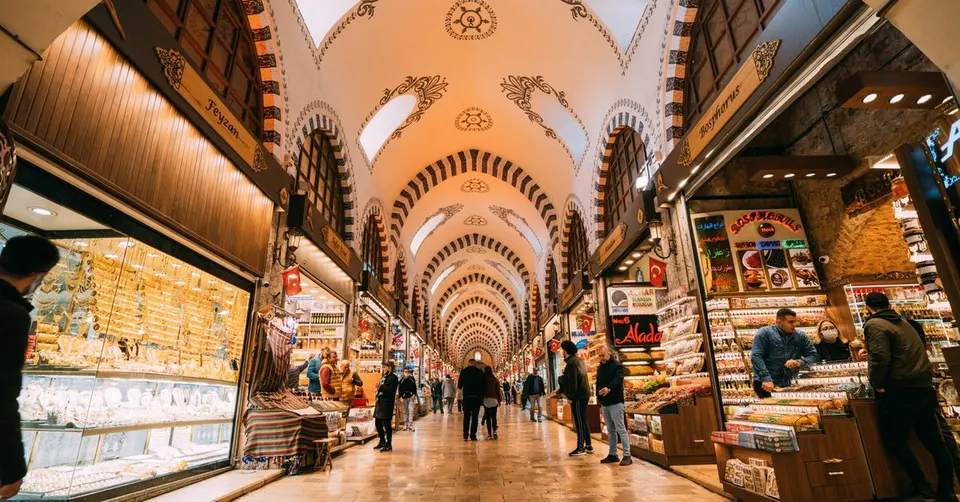
The gold merchant in the Grand Bazaar today is looking at a screen that tells two conflicting stories. On one hand, Brent crude has breached the psychological $100 barrier, a move that historically sends gold bugs into a frenzy. On the other, the local price for 18k gold has retreated 0.3% to 18,876,679 Toman per gram. This slight cooling of the 'gold fever' comes at a time when the US Dollar has edged up to 192,000 Toman, a 0.2% increase over the last 24 hours. For the average Iranian saver, this creates a classic liquidity trap: gold is becoming slightly cheaper to enter, but the dollar is becoming more expensive to ignore.
This divergence is not accidental. While global tensions usually bolster gold, the sheer weight of the 192,000 Toman exchange rate is forcing a consolidation in the gold market. Investors are weighing the 'Emami' coin, currently priced at 188.5 million Toman, against the immediate liquidity of the dollar. In a high-inflation environment, the 'bubble' in gold coins often deflates when the currency itself begins a fresh climb. The fact that gold is down 0.3% while the dollar is up 0.2% suggests that local demand is momentarily shifting toward the greenback, seeking the most liquid form of protection against upcoming regional shifts.
---
The Political Dollar and the Jack Smith Factor
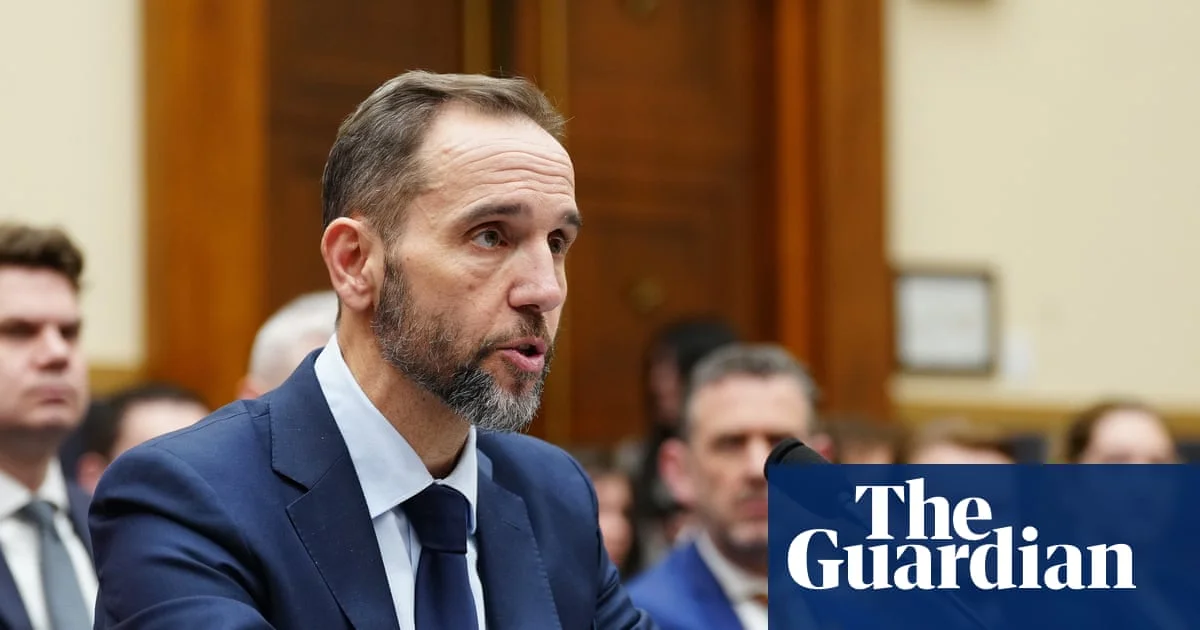
Across the ocean, the American political machine is grinding into a gear that directly impacts the Rial’s future. The Republican-controlled House Judiciary Committee has referred former special prosecutor Jack Smith for criminal investigation, accusing him of making false statements to Congress. This move, which Democrats have labeled a 'vindictive' weaponization of the justice system, signals a period of extreme internal volatility in the United States. For an Iranian observer, US political instability is a double-edged sword. On one hand, it can weaken the global standing of the USD; on the other, it increases the 'uncertainty premium' in Tehran, driving the price toward the 192,000 Toman mark as people hedge against a chaotic US election cycle.
When the US political system appears fractured, the market's reaction in Iran is rarely to trust the Rial. Instead, the focus shifts to how a potential shift in US leadership might alter the sanctions landscape. The current referral of Jack Smith is a proxy for the broader battle over Donald Trump’s political future. As the likelihood of a leadership change in Washington fluctuates, the Iranian market preemptively adjusts. This 'political dollar' is currently winning the battle for attention over gold, as savers bet that political upheaval in the West will lead to more aggressive, or at least more unpredictable, foreign policy maneuvers that could further strain the Iranian economy.
---
Regional Anchors and the Sanctions Ceiling
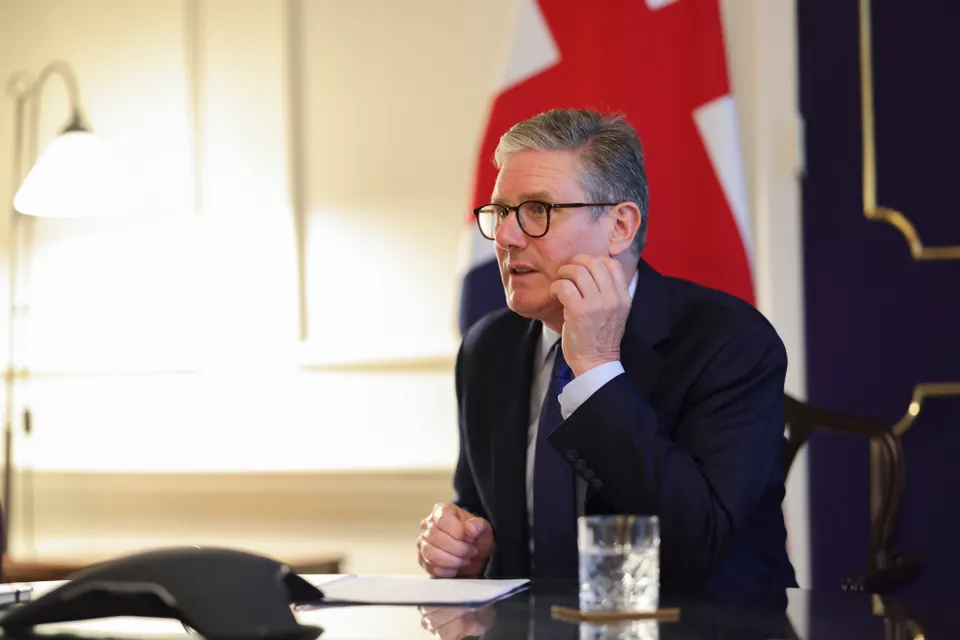
While the US bickers internally, Tehran is attempting to build regional anchors. President Masoud Pezeshkian officially welcomed Iraqi Prime Minister Ali Faleh al-Zaidi today at the Sa’dabad Complex. This meeting is more than just a diplomatic photo-op; it is a critical attempt to secure currency corridors and trade flows that bypass traditional Western banking. However, the market remains skeptical. Even as regional diplomacy intensifies, the European Union has just unveiled its 21st sanctions package, which EU foreign policy chief Kaja Kallas describes as the 'largest round in four years.' These sanctions target the financial and energy sectors, effectively placing a ceiling on how much 'breathing room' regional diplomacy can actually provide for the Rial.
Furthermore, the energy market is sending mixed signals. India’s fuel exports are set to double in July as refining margins jump, largely due to the escalation of the Middle East conflict and the ongoing crisis in the Strait of Hormuz. While higher oil prices—now at $100—should technically help an oil-producing nation, the reality of sanctions means that these gains are often captured by intermediaries rather than the central bank’s reserves. This explains why the Rial continues to weaken toward 192,000 despite the Iraqi PM’s visit. For the investor choosing between gold and the dollar tonight, the narrative is clear: regional handshakes are good for headlines, but global sanctions and US political chaos are the real drivers of the price tag on your screen.
Watch
'This is about the rule of law': U.S. attorney fired by Trump sues to overturn dismissal
PBS NewsHour
Frequently Asked Questions
Why is gold falling in Iran while global oil prices are rising?
How does the Jack Smith criminal referral affect the Toman?
Is the Iraqi PM's visit to Tehran a signal for the Rial to strengthen?
What is the current liquidity difference between Emami coins and USD?
The Economic Ripple: How Sanctions Drive Currency Depreciation and Inflation
Economic sanctions are powerful foreign policy tools, typically imposed by one or more countries on another to achieve specific political or behavioral changes. While their primary aim is often political coercion, their most profound and immediate impact is usually felt within the target country's economy. Sanctions can take many forms, including trade embargoes, financial restrictions, asset freezes, and travel bans, all designed to limit a nation's economic activity and access to global markets.
One of the most direct consequences of comprehensive economic sanctions is the severe limitation of a country's foreign exchange earnings. For economies heavily reliant on commodity exports, such as oil, sanctions can drastically cut off vital revenue streams. Furthermore, restrictions on international banking and financial transactions make it difficult for the sanctioned country to conduct legitimate trade, receive foreign investment, or even repatriate funds. This scarcity of foreign currency (like the US dollar) in the domestic market inevitably leads to a sharp depreciation of the national currency (e.g., the Iranian Rial or Toman) as its value relative to hard currencies plummets.
This currency depreciation, in turn, fuels rampant inflation. When the local currency loses value, imported goods—from essential foodstuffs and medicines to industrial components and luxury items—become significantly more expensive. Domestic producers who rely on imported raw materials or machinery face soaring costs, which they pass on to consumers. Moreover, a lack of confidence in the depreciating national currency often prompts individuals and businesses to convert their savings into more stable assets, such as foreign currency or precious metals like gold (as seen with the Emami coin price in Iran), further exacerbating inflationary pressures and creating a vicious cycle of rising prices and eroding purchasing power.
Ultimately, the interplay between sanctions, currency depreciation, and inflation creates a challenging economic environment for the targeted nation. It not only impacts the government's ability to manage the economy but also significantly degrades the quality of life for ordinary citizens, making everyday necessities unaffordable and long-term financial planning nearly impossible. Understanding this complex economic ripple effect is crucial for grasping the broader implications of geopolitical tensions on global and local economies.