
The Beluga Logistics of Wealth: Why Gold and USD Are Diverging at the 190,000 Toman Frontier
لجستیک نهنگهای سفید برای ثروت: چرا مسیر طلا و دلار در مرز ۱۹۰ هزار تومان جدا شد؟
As the US Dollar breaches the 190,800 Toman mark, a strange divergence has appeared between physical coins and raw gold. We analyze why moving your savings today feels as complex as transporting 30 whales across the Atlantic.
At time of publishing
USD
190,800
Toman
Gold 18K
18.35M
Toman / gram
Bitcoin
$63,339
US Dollar
Tether
190,622
Toman
Moving wealth in a volatile economy is rarely a simple transaction; it is a logistical feat. Recently, the New York Times detailed the Herculean task of relocating 30 beluga whales from Canada to Spain and the US, a process involving massive cranes, transport planes, and even anti-anxiety medication for the animals. For the average Iranian saver watching the US Dollar climb to 190,800 Toman (+1.1% in 24 hours), the mental 'anti-anxiety' requirement is much the same. The logistics of choosing between a physical dollar, a gold coin, or a digital asset have become a high-stakes puzzle where the weight of the asset often dictates the speed of the escape.
Today’s market snapshot reveals a fascinating anomaly: while the dollar rose and 18k gold followed suit with a 0.7% gain to reach 18,348,030 Toman per gram, the Emami coin actually retreated, falling 0.8% to 184,000,000 Toman. This divergence suggests that the 'bubble' or premium on minted coins is beginning to deflate even as the raw value of gold, anchored by a global spot price of $4,026, remains buoyant. For the saver, this means that the traditional 'safe' bet of coins is currently underperforming the simpler, more divisible 18k gold, reflecting a shift in how liquidity is being prioritized in Tehran’s markets.

The Global Pressure Cooker and the Dollar’s Dominance
The Toman’s slide to the 190,800 level isn't happening in a vacuum. Global markets are currently being rattled by an oil price shock that has led economists to slash India’s GDP growth forecast to 6.6%. This regional slowdown directly impacts the appetite for risk across Asia, often strengthening the USD as a global haven. When energy costs spike, the cost of maintaining the Toman’s value becomes exponentially higher for a government already struggling with structural deficits. The dollar's 1.1% rise today is a localized symptom of this broader global fever, where the 'Greenback' remains the ultimate anti-anxiety pill for those fearing a broader regional contagion.
Furthermore, we are seeing a 'Cisco moment' in the tech sector. Much like the late 90s, as noted by analysts at Fundstrat, the current sell-off in chip stocks—despite massive AI-driven spending by firms like Applied Materials—shows that even the strongest sectors can face a crisis of confidence. For the Iranian investor, this serves as a cautionary tale: just because an asset class (like the US Dollar or Gold) has been a winner for decades doesn't mean its path upward is a straight line. The volatility in global tech and energy markets eventually washes up on the shores of the Ferdowsi exchange, manifesting as the price swings we see today.
Gold vs. Digital: The New Logistics of Liquidity
If physical gold is the 'crane and plane' method of moving wealth—heavy, secure, but difficult to transport—then digital assets are becoming the light-speed alternative. Morgan Stanley’s recent debut of Ethereum and Solana ETFs, following the massive success of their Bitcoin fund, signals that the world’s largest institutions are no longer just 'testing' the waters; they are building the infrastructure for a digital-first financial future. In Iran, this is reflected in the USDT price, which sits at 190,622 Toman. While nearly identical to the physical dollar's value, USDT offers a level of 'logistical ease' that physical cash or gold bars simply cannot match.
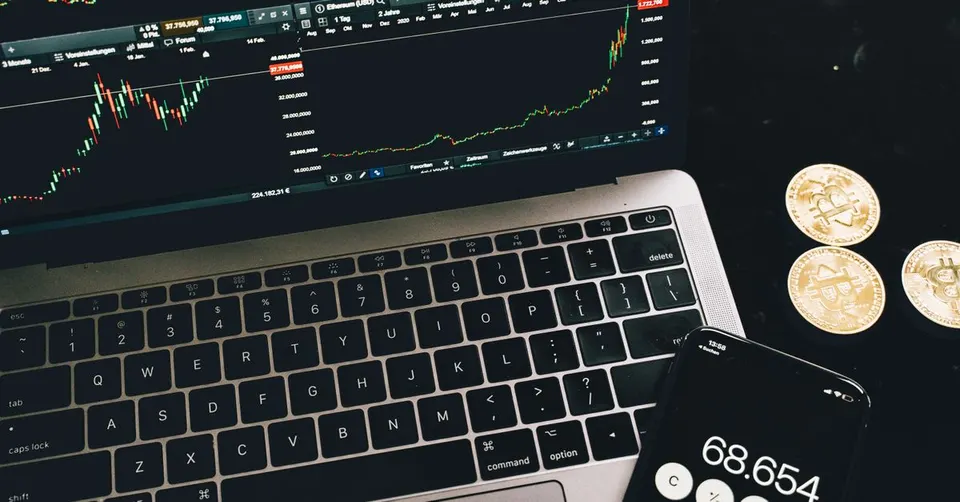
However, the risks are fundamentally different. While a gram of 18k gold doesn't require a password or a centralized exchange to maintain its value, it is subject to the physical risks of theft and the local 'tala-fooroosh' (goldsmith) spreads. Conversely, while USDT can be moved across borders in seconds, it carries the technical risk of platform failures or regulatory crackdowns. The choice today isn't just about which asset will rise more; it’s about which 'transport method' you trust more. Are you moving your wealth like a beluga whale—with heavy equipment and physical presence—or are you moving it like a digital signal, invisible and instantaneous?
The 2026 Verdict: Divisibility over Hype
As we look toward the remainder of 2026, the data suggests that 'divisibility' is becoming the most valuable trait of any savings vehicle. The fact that Emami coins fell while 18k gold rose tells us that the market is beginning to shun high-premium, 'clunky' assets in favor of things that can be sold in smaller, precise increments. Whether it is 18k gold or the fractional ownership offered by new crypto ETPs, the modern saver is looking for an exit ramp that doesn't require selling the whole 'whale' just to cover a month’s expenses.
In conclusion, the current landscape requires a balanced approach to anxiety management. The US Dollar at 190,800 is a signal of local currency stress, but the global backdrop of oil shocks and tech volatility suggests that no single asset is a perfect shield. Diversifying between the physical reliability of gold—specifically 18k gold over coins—and the logistical agility of digital dollars (USDT) appears to be the strategy of those who wish to move their wealth without the need for a crane and a police escort. The market isn't just telling us what things are worth; it's telling us how hard they are to carry.
Frequently Asked Questions
Why did Emami coin fall while 18k gold rose today?
Is USDT safer than physical USD at the 190,000 Toman level?
How do global chip stock sell-offs affect the Toman exchange rate?
What does the Morgan Stanley ETH/SOL ETF news mean for Iranian savers?
The Divergent Paths of Gold and Foreign Currency as Safe Havens
In times of economic uncertainty, investors often seek "safe-haven assets"—investments expected to retain or increase in value during market turbulence. Traditionally, physical gold and strong foreign currencies like the U.S. dollar (USD) have served this crucial role. Gold is prized for its intrinsic value and historical stability, while the USD benefits from its status as the world's primary reserve currency, backed by the stability of the U.S. economy. Both are typically seen as reliable hedges against inflation and local currency devaluation, offering a refuge for wealth when domestic economic conditions deteriorate.
However, the assumption that gold and the U.S. dollar will always move in lockstep as safe havens can break down, particularly in economies experiencing high inflation, severe currency devaluation, and stringent capital controls. While both aim to preserve purchasing power against a weakening local currency (like the Iranian Toman), their market dynamics can diverge significantly. This divergence arises from distinct supply-demand pressures, differing levels of accessibility, and varying perceptions of risk and liquidity within a specific local context.
Several factors contribute to this divergence. Firstly, physical gold markets and foreign exchange markets often operate under different regulatory frameworks and face distinct logistical challenges. In environments with tight capital controls, accessing physical dollars can be difficult, driving up their premium, while local gold markets (e.g., Emami coins in Iran) might be more readily accessible or become targets for speculative bubbles. Secondly, the emergence of digital alternatives, such as stablecoins like USDT (Tether), offers another layer of complexity. These digital assets provide a way to hold dollar-linked value without the need for physical cash, potentially influencing demand for both physical dollars and gold in different directions.
Ultimately, while both gold and strong foreign currencies offer a means to protect wealth from local currency erosion, their specific pricing and availability are heavily influenced by the unique structure of the local market, the regulatory environment, and prevailing investor sentiment. Understanding these nuanced dynamics is crucial for anyone attempting to navigate personal finance strategies in economies under stress, as the "safest" haven may not always be the most obvious or the one that moves in perfect tandem with another traditional hedge.